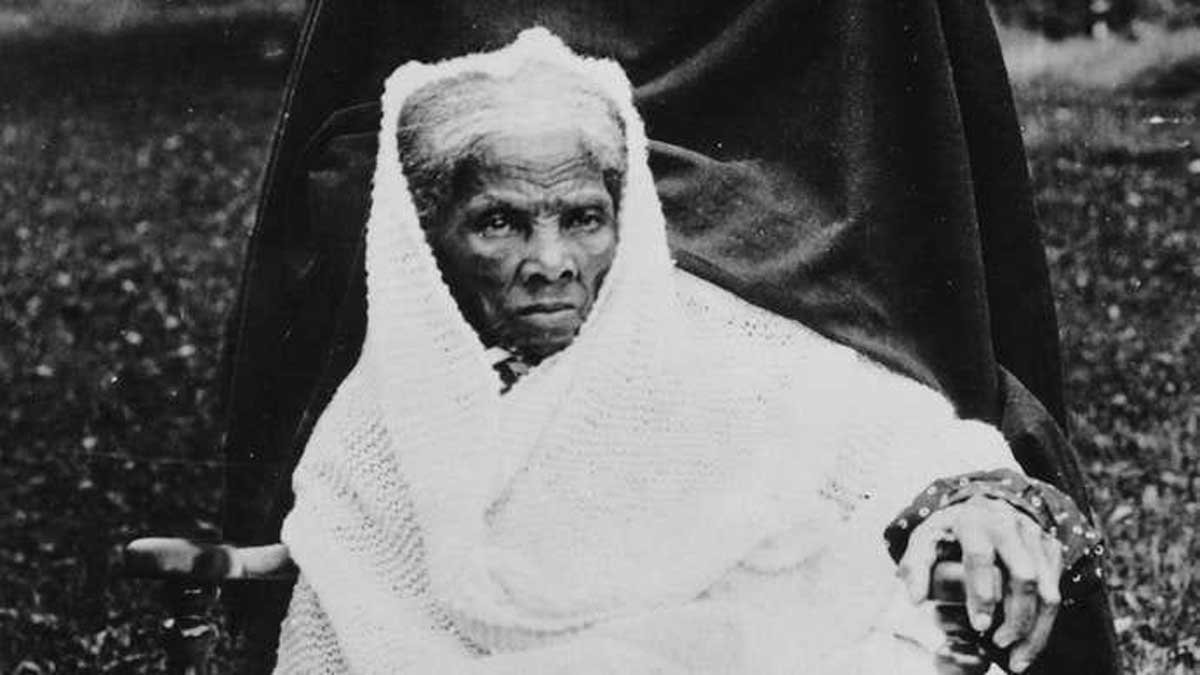

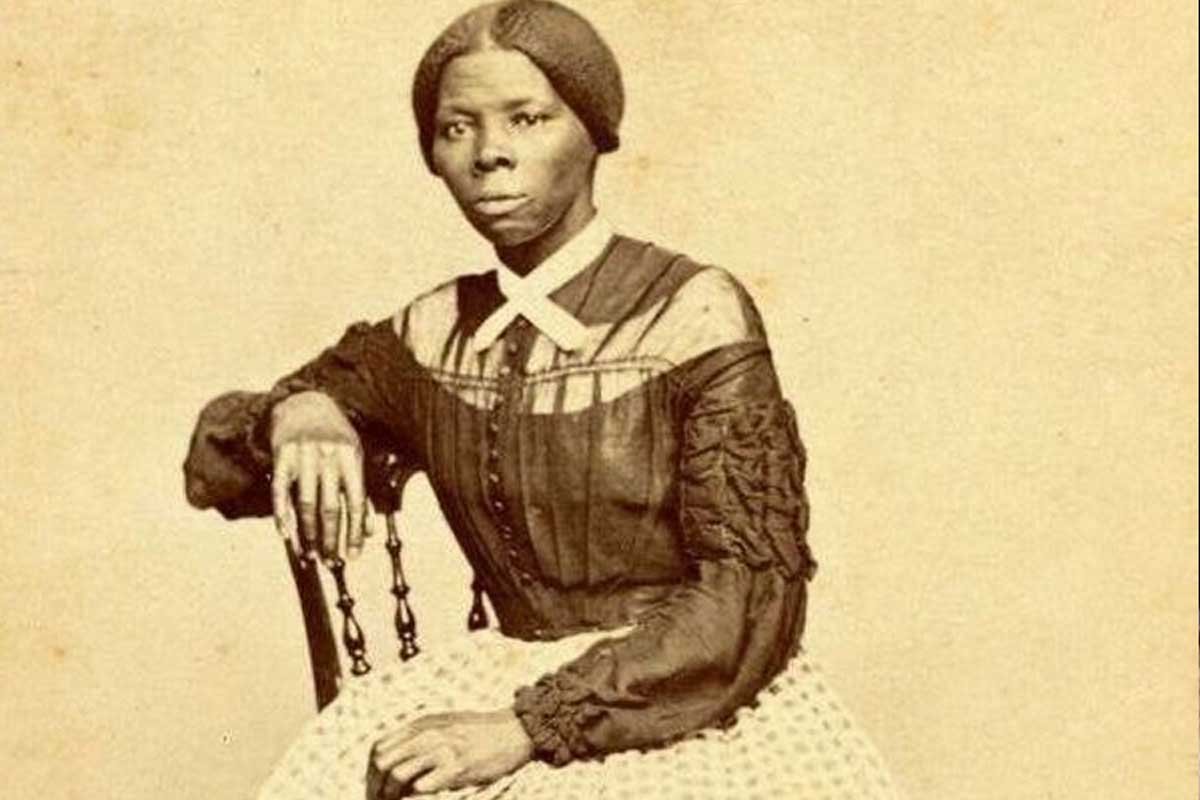
We all know the name Harriet Tubman. She’s a hero, a titan of American history who rescued hundreds from the horrors of slavery. But when we picture her, we often see a solitary, almost mythical figure. We don’t often think about her family. Did you know she had eight brothers and sisters? It’s a staggering thought. And it leads to an even heavier question: what happened to them? How many of their stories, like countless others, were simply erased by the silence of history?
Born into Bondage: The Ross Family on Maryland’s Eastern Shore
Mariah Ritty Ross was born around 1811 in Dorchester County, Maryland, a place of tidal marshes and thick pine forests. Her parents, Benjamin “Ben” Ross and Harriet “Rit” Greene Ross, were enslaved on different properties, but somehow, they managed to build a life and a family together. Just think about that—it was a quiet, profound act of defiance against a system designed to deny their very humanity. Ben was a skilled timberman, and Rit a household servant.
As the second of nine children, Mariah was born with the constant, terrifying threat of separation hanging over her. In the world of slavery, childhood was a luxury that didn’t exist. Kids were put to work as soon as they were able, and by fourteen, many were already treated as full-grown laborers. The Ross family, for all their love and strength, were still considered property in the eyes of their enslavers. That terrible vulnerability would eventually shatter their world.
The Fates of the Ross Children
| Name | Birth Year | Fate |
|---|---|---|
| Linah Ross | c. 1808 | Sold South in the early 1820s. Her life after is unknown. |
| Mariah Ritty Ross | c. 1811 | Sold to a trader heading to Georgia around 1825. Her trail goes cold there. |
| Soph Ross | c. 1813 | Sold South to Mississippi. Her life after is also unknown. |
| Robert Ross | c. 1816 | Attempted to escape with Harriet in 1849, was later sold South. |
| Harriet Tubman | c. 1822 | Escaped slavery in 1849 and became a legendary conductor on the Underground Railroad. |
| Ben Ross Jr. | c. 1823 | Also part of the failed 1849 escape, he too was sold South. |
| Rachel Ross | c. 1825 | Was separated from her children and died before Harriet could rescue her. |
| Henry Ross | c. 1830 | Another brother who attempted escape and was ultimately sold away. |
| Moses Ross | c. 1832 | Very little is known about his life or fate. |
1825: When Mariah Disappeared into the Domestic Slave Trade
Around 1825, when she was just 14 years old, Mariah Ritty Ross was sold by her enslaver, Edward Brodess. She was handed over to a slave trader bound for Georgia. Let’s be clear: this wasn’t just a random act of cruelty; it was business. It was a cog in the massive, brutal engine of the domestic slave trade. Historians figure that between 1820 and 1860, over 875,000 enslaved people were forced from the Upper South to the cotton and sugar plantations of the Deep South. For enslavers in states like Maryland, selling people had become a primary source of income. A healthy teenage girl like Mariah could fetch $300 to $500—a fortune back then.
And Mariah wasn’t the only one. Three of the Ross sisters—Linah, Mariah, and Soph—were sold off, one by one. Can you even imagine the terror and grief that must have gripped that family? For a young Harriet Tubman, watching her sisters disappear was a brutal lesson in powerlessness. It planted a seed of defiance that would later bloom into a lifelong war against the institution that stole them.
A Sisterhood Shattered by Sale
| Sister | Sold To | Year of Sale | Known Information |
|---|---|---|---|
| Linah Ross | Unknown | Early 1820s | Her fate remains a mystery. |
| Mariah Ritty Ross | Georgia | c. 1825 | All records of her life end after the sale. |
| Soph Ross | Mississippi | Unknown | Like her sisters, her story was lost. |
After 1825: The Silence and What It Means
Once Mariah was sold, she simply vanished from the historical record. Her story is a chilling, firsthand example of how the lives of millions were just… erased. We can only guess at what her fate might have been in Georgia, a state where the cotton boom created a ravenous, insatiable demand for forced labor. Life on a cotton plantation was a living hell—backbreaking work from sunup to sundown, all under the constant, looming threat of the whip.
The silence around Mariah’s life is deafening, especially when you put it next to the detailed, celebrated story of her sister Harriet. While Harriet became a global icon of resistance, Mariah represents the millions whose names we will never know. It turns out Harriet Tubman made around 13 dangerous trips back to Maryland to rescue family and friends, but she could never save Mariah, Linah, or Soph. They were just… gone. Lost in the vastness of the South, making any rescue mission a heartbreaking impossibility.
The Ripple Effect: Family Separation Under Slavery
The sale of the Ross sisters sent tremors through the family that never really faded. For their parents, Ben and Rit, it was a wound that would never, ever heal. For Harriet, it was the fire that forged her into a revolutionary. The dream of putting her family back together was the fuel for her perilous journeys on the Underground Railroad.
The story of the Ross family is the story of the African American family under slavery. The domestic slave trade was a weapon of mass destruction aimed squarely at family bonds, systematically separating husbands from wives, and parents from children. The trauma of that forced separation is a legacy that has echoed through generations.
Why Mariah’s Story Matters Today
Mariah Ritty Ross is so much more than a historical footnote. She’s a face for the millions of forgotten souls who suffered through slavery. Her story forces us to look beyond the famous names and confront the full, devastating scale of the domestic slave trade. By searching for her, we’re fighting back against the erasure of the past and honoring the incredible resilience of those who endured.
Her story is also a call to action. It’s a stark reminder of how vital historical memory is. It’s on us to uncover these forgotten narratives and share them, to make sure the full, unvarnished story of slavery in America is told. When we do that, we don’t just learn about the past; we get a much more honest, and frankly, a much more difficult, understanding of our present.
Frequently Asked Questions (FAQ)
- 1. Who was Mariah Ritty Ross?
- Mariah Ritty Ross (c. 1811 – unknown) was an older sister of the famous abolitionist Harriet Tubman. Born into slavery in Maryland, she was sold to the Deep South as a teenager and was never heard from again.
- 2. What was her relationship to Harriet Tubman?
- Mariah was one of Harriet Tubman’s older sisters. The traumatic sale of Mariah and two other sisters deeply influenced Harriet’s later decision to risk her life fighting for freedom and family reunification.
- 3. When and why was she sold?
- Mariah was sold around 1825 by her enslaver, Edward Brodess. It was a business transaction, as the domestic slave trade had become a highly profitable industry for enslavers in the Upper South.
- 4. What does “sold South” mean?
- “Sold South” was a terrifying phrase that meant being forcibly transported from the Upper South (like Maryland) to the brutal cotton and sugar plantations of the Deep South (like Georgia and Mississippi). For many, it was a death sentence due to the horrific working conditions.
- 5. What happened to her after 1825?
- Tragically, there are no known records of Mariah’s life after she was sold. Her story represents the millions of enslaved people whose individual lives were lost to history.
- 6. Why are there so few records about her?
- Enslaved people were considered property, and their lives were rarely documented. Their personal histories, families, and fates were often deemed unimportant by the society that enslaved them, and the chaos of the slave trade made it even harder to keep track of individuals.
- 7. Did Harriet Tubman try to rescue her?
- While Harriet Tubman was a master of rescuing people, she was unable to save Mariah, Linah, or Soph. They had been sold years before she began her missions, and with no information on their whereabouts, finding them in the vast South was an impossible task.
- 8. How many of Harriet’s siblings were sold?
- At least six of Harriet’s eight siblings were sold South at various points: her sisters Linah, Mariah, and Soph, and her brothers Robert, Ben Jr., and Henry.
- 9. Why is Mariah’s story historically significant?
- Mariah’s story is crucial because it gives a face to the millions of forgotten victims of slavery. It shifts our focus from the well-known figures to the ordinary individuals who suffered, reminding us of the human cost of the slave trade and the importance of remembering every last story.
Conclusion
Mariah Ritty Ross’s life, though almost completely erased, tells a powerful story. It’s a story about the brutal reality of slavery and the unbreakable bonds of family. By remembering Mariah, we give voice to the voiceless and acknowledge the millions of others who were silenced. It is our shared responsibility to keep these stories alive, to learn from the darkest parts of our past, and to continue working for a world that is more just and equitable. We hope you’ll take the time to learn more, share what you’ve learned, and support the historians and organizations working to preserve this essential history.

Most Viewed