

Apartment renovation planning requires careful consideration of budget, building regulations, and design preferences to ensure a successful transformation of living spaces. This process involves defining project goals, securing necessary approvals, and coordinating skilled professionals to execute the work efficiently. A well-structured plan mitigates common challenges such as unexpected costs and logistical hurdles, leading to a revitalized home environment. A well-executed plan not only enhances the aesthetic appeal of an apartment but also improves its functionality and increases its market value. Understanding the intricate steps involved, from initial conceptualization to final execution, is paramount for homeowners seeking to embark on such a project. This comprehensive guide will delve into the essential components of apartment renovation planning, offering insights into how to navigate each stage effectively to achieve desired outcomes, ensuring a smooth and rewarding experience for urban dwellers.
Defining Renovation Goals and Scope
Defining clear renovation goals and scope for an apartment involves identifying specific needs, desired aesthetic changes, and functional improvements to guide the entire project effectively. This foundational step is crucial for any apartment renovation, ensuring all subsequent decisions align with the homeowner’s vision and practical requirements, preventing budget and timeline overruns. For example, deciding whether to undertake a cosmetic refresh or a full structural overhaul will significantly impact subsequent planning phases, including budget allocation and professional engagement.
Before any physical work begins, homeowners should thoroughly assess their current living situation and pinpoint areas requiring improvement. This might include enhancing natural light, optimizing storage solutions, updating outdated fixtures, or reconfiguring layouts for better flow. Documenting these objectives helps in communicating effectively with architects and contractors, ensuring everyone involved understands the desired outcome. For instance, a small apartment might prioritize space-saving solutions and multi-functional furniture, while a larger unit could focus on aesthetic upgrades and smart home integration. Clearly articulated goals form the foundation of a successful renovation, preventing scope creep and ensuring a cohesive final design. It is also beneficial to consider the long-term use of the space and how the renovation can adapt to future needs, such as a growing family or a shift to remote work. This forward-thinking approach ensures that the renovation remains relevant and valuable for years to come. Furthermore, considering the apartment’s orientation and natural light patterns can inform design decisions, such as mirror placement or window treatments, to maximize brightness and create a more inviting atmosphere.
Navigating Building Regulations and Permits
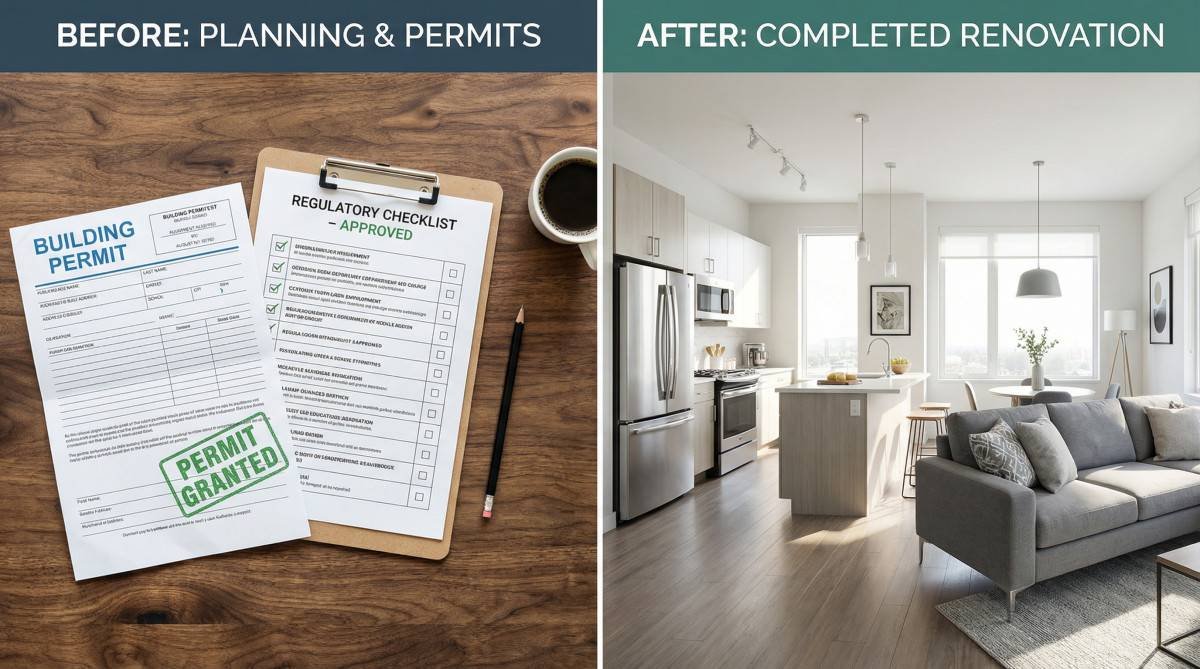
Navigating building regulations and securing necessary permits for apartment renovations is crucial, as most urban residential buildings have strict rules and require official authorization to prevent structural issues and ensure safety standards. This process often involves obtaining approval from co-op or condo boards and submitting detailed architectural plans to local authorities, particularly in metropolitan areas where multi-unit dwellings are common. These regulations are designed to protect both the individual unit and the entire building structure, as well as the safety and comfort of all residents.
Apartment renovations, particularly in densely populated areas, are subject to a unique set of rules that differ significantly from single-family home remodels. These often include alteration agreements, which outline the responsibilities of both the building and the unit owner, and specific requirements for noise control, waste disposal, and elevator usage. Homeowners must research local building codes and engage with their building management early in the planning phase to understand all prerequisites. For example, any changes to plumbing, electrical systems, or structural elements typically necessitate permits from the Department of Buildings. Consulting with an architect or a contractor experienced in apartment renovations can streamline this complex process, ensuring all legal and regulatory obligations are met before construction commences. Additionally, some buildings may have specific aesthetic guidelines or approved vendor lists, further emphasizing the need for early and thorough communication with building administration. Understanding the nuances of these regulations can prevent costly delays and ensure a smooth renovation process, especially when dealing with historical buildings or those with stringent architectural review boards.
Budgeting and Financial Planning
Effective budgeting and financial planning for an apartment renovation involve allocating funds for construction, materials, professional fees, and a contingency reserve to cover unforeseen expenses. A realistic budget prevents financial strain and ensures the project can be completed without unexpected interruptions, allowing apartment owners to manage their project’s fiscal demands responsibly and avoid common pitfalls. This includes accounting for potential increases in material costs, unforeseen structural issues, or changes in design preferences during the renovation process.
Renovation costs vary widely based on location, scope, and desired finishes. It is essential to obtain multiple quotes from contractors and suppliers to compare pricing and services. Beyond the obvious expenses like labor and materials, homeowners should account for architectural and design fees, permit application costs, and potential temporary living arrangements if the apartment becomes uninhabitable during construction. A contingency fund, typically 10-20% of the total budget, is vital for addressing unexpected issues such as discovering outdated wiring or plumbing during demolition. Tracking expenses diligently throughout the project helps maintain financial control and ensures adherence to the established budget, preventing costly overruns. Furthermore, understanding the potential return on investment for various upgrades can help prioritize spending and ensure that the renovation adds tangible value to the property. For instance, kitchen and bathroom renovations often yield the highest return on investment, while custom built-ins can significantly enhance functionality and appeal in smaller spaces.
Selecting Materials and Finishes
Selecting appropriate materials and finishes for an apartment renovation involves balancing aesthetic preferences with durability, functionality, and budget constraints to achieve a cohesive and long-lasting design. The right choices enhance the apartment’s appeal and ensure it withstands daily wear and tear, contributing to its overall value, which is vital for any home improvement project, especially in apartments. Considerations such as sound insulation, fire ratings, and ease of cleaning are particularly important in multi-unit dwellings, impacting both comfort and compliance.
When choosing materials, consider the specific demands of apartment living, such as noise transfer, traffic patterns, and ease of maintenance. For flooring, options like engineered wood, luxury vinyl plank, or durable tiles offer both aesthetic appeal and resilience. Countertops can range from natural stone to quartz, each with distinct maintenance requirements and visual characteristics. Paint colors and wall treatments should complement the overall design scheme and reflect the desired ambiance. It is also important to consider the environmental impact and sustainability of chosen materials. Visiting showrooms, collecting samples, and consulting with designers can help visualize how different materials will look and perform within the apartment, ensuring informed decisions that align with both style and practicality. The longevity and ease of cleaning of materials are particularly important in high-traffic areas or for rental properties, where durability directly impacts maintenance costs and tenant satisfaction. Additionally, selecting materials that contribute to soundproofing can significantly improve living comfort in multi-unit buildings, addressing a common concern for apartment dwellers.
Hiring the Right Professionals
Hiring the right professionals for an apartment renovation, including architects, designers, and contractors, is paramount to ensuring the project’s successful execution and adherence to quality standards. Experienced professionals bring expertise in design, regulatory compliance, and project management, which are critical for navigating the complexities of apartment remodels, providing essential guidance and execution capabilities across all project phases. Their collective experience can mitigate risks, optimize timelines, and ensure that the final outcome not only meets but exceeds expectations, transforming the apartment into a truly personalized and functional space.
The selection process should involve thorough research, checking references, and reviewing portfolios of potential candidates. An architect can help translate initial ideas into detailed plans, ensuring structural integrity and compliance with building codes. An interior designer can assist with aesthetic choices, space planning, and material selection. A reputable general contractor will manage the construction process, coordinate subcontractors, and ensure the project stays on schedule and within budget. It is crucial to have clear contracts outlining the scope of work, payment schedules, and timelines. Open communication and a strong working relationship with the chosen team are essential for addressing challenges proactively and achieving the desired outcome for the apartment renovation. Verifying licenses, insurance, and past project successes provides an additional layer of security and confidence in the chosen professionals. A well-defined contract should also include provisions for change orders, dispute resolution, and a clear warranty for the work performed, safeguarding both the homeowner and the contractor.
FAQ: Apartment Renovation Planning
Q: What are the typical timelines for apartment renovations?
A: Apartment renovation timelines vary significantly based on scope, but a comprehensive remodel can take anywhere from three to five months for on-site work, following an initial planning and approval phase of several weeks to months.
Q: How do apartment renovations differ from house renovations?
A: Apartment renovations often involve additional complexities such as co-op/condo board approvals, strict building regulations, limited work hours, shared utility considerations, and logistical challenges for material delivery and waste removal due to shared spaces.
Q: What permits are typically required for an apartment renovation?
A: Permits for apartment renovations can include general construction, electrical, plumbing, and mechanical permits, depending on the scope of work. Building board approvals and alteration agreements are also commonly required.
Q: How much should I budget for unexpected renovation costs?
A: It is advisable to allocate a contingency fund of 10-20% of the total renovation budget for unexpected expenses. This covers unforeseen issues like discovering outdated infrastructure or minor design changes during the project.
Q: Can I live in my apartment during a renovation?
A: Whether you can live in your apartment during a renovation depends on the scope of work. Minor cosmetic updates might allow occupancy, but major renovations involving kitchen, bathroom, or structural changes often require temporary relocation for safety and convenience.
Conclusion
Successful apartment renovation planning is a multifaceted endeavor that demands careful attention to detail, strategic decision-making, and effective coordination. By meticulously defining goals, navigating regulatory landscapes, establishing a realistic budget, selecting appropriate materials, and engaging skilled professionals, homeowners can transform their living spaces into functional and aesthetically pleasing environments. Proactive planning minimizes disruptions, optimizes resource allocation, and ultimately leads to a rewarding renovation experience that enhances both comfort and property value. The journey from conception to completion, while challenging, yields significant benefits in terms of improved living quality and increased asset worth. Ultimately, a well-planned apartment renovation is an investment in both lifestyle and property, delivering lasting satisfaction and tangible returns, and creating a home that truly reflects the owner’s vision and needs.

Most Viewed