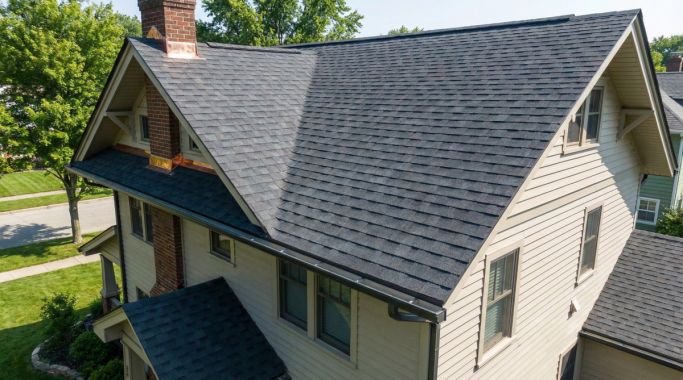

Extending a roof’s lifespan significantly enhances a home’s structural integrity and financial value by delaying costly replacements, protecting against weather damage, and improving energy efficiency over many years. Proactive maintenance and timely repairs are crucial for maximizing the longevity of roofing systems, preventing premature deterioration caused by environmental factors and neglect. This approach ensures continuous protection for the property while minimizing long-term expenses associated with major roof overhauls.
The average lifespan of a residential roof varies widely based on material, climate, and installation quality, typically ranging from 20 to 50 years for common types like asphalt shingles or metal roofing. Understanding these variables allows homeowners to anticipate maintenance needs and plan for eventual replacement, ensuring their investment remains sound. Regular inspections are key to identifying potential issues early, before they escalate into significant structural damage or leaks.
Investing in measures to extend roof life provides substantial returns, not only through avoided replacement costs but also by maintaining curb appeal and supporting higher resale values. A well-preserved roof is a strong selling point, signaling to potential buyers that the home has been diligently cared for. Furthermore, a healthy roof contributes to better insulation, leading to reduced heating and cooling expenses throughout its extended service life.
Understanding Roof Deterioration and Its Impact
Roof deterioration is primarily caused by prolonged exposure to harsh weather conditions, including UV radiation, extreme temperatures, heavy precipitation, and strong winds, which degrade materials over time and compromise structural integrity. These environmental stressors lead to common issues such as cracking, curling, granule loss on shingles, and corrosion on metal roofs, all of which accelerate the aging process. Neglecting these early signs can result in water infiltration, mold growth, and extensive damage to the underlying roof structure and interior of the home.
The impact of roof deterioration extends beyond mere aesthetic concerns, directly affecting a home’s energy efficiency and overall safety. Compromised roofing allows conditioned air to escape and outside air to penetrate, leading to increased utility bills as HVAC systems work harder to maintain indoor temperatures. Structurally, weakened roofs can become unstable, posing significant safety risks during severe weather events and potentially leading to costly emergency repairs or complete system failure.
Early detection of deterioration through routine inspections is vital for mitigating these impacts and implementing timely, cost-effective solutions. Addressing minor issues like loose shingles or clogged gutters promptly can prevent them from developing into major problems that require extensive and expensive interventions. Understanding the specific vulnerabilities of your roof type allows for targeted preventative measures, safeguarding your investment and ensuring long-term protection.
Key Factors and Material Options for Roof Longevity
Several key factors influence a roof’s longevity, including the quality of materials used, the expertise of the installation, and the local climate, all of which interact to determine how long a roof will effectively protect a home. High-quality materials, while often more expensive upfront, offer superior resistance to environmental stressors and typically come with longer manufacturer warranties, providing extended peace of mind. Proper installation ensures that all components are correctly fitted and sealed, preventing common failure points like leaks and wind damage.
The choice of roofing material plays a significant role in its expected lifespan and resilience against specific environmental challenges. Different materials offer varying degrees of durability, aesthetic appeal, and cost, making the selection process critical for long-term performance. Homeowners must weigh these characteristics against their budget and local weather patterns to make an informed decision that maximizes roof life.
| Roofing Material | Average Lifespan | Key Advantages | Considerations |
|---|---|---|---|
| Asphalt Shingles | 20-30 years | Affordable, widely available, easy to install | Susceptible to wind damage, granule loss, UV degradation |
| Metal Roofing | 40-70 years | Durable, fire-resistant, energy-efficient, low maintenance | Higher upfront cost, potential for denting, noise during rain |
| Tile (Clay/Concrete) | 50-100+ years | Extremely durable, fire-resistant, aesthetically pleasing | Heavy, expensive, can be brittle, requires strong roof structure |
| Slate | 75-150+ years | Exceptional longevity, natural beauty, fireproof | Very expensive, heavy, requires specialized installation |
| Wood Shakes/Shingles | 25-35 years | Natural aesthetic, good insulation | Requires regular maintenance, susceptible to fire, rot, insects |
Beyond material selection, consistent maintenance practices are indispensable for achieving the maximum possible lifespan for any roofing system. Regular cleaning, gutter maintenance, and prompt repair of minor issues can significantly extend the period before a full replacement is necessary. These proactive steps protect the roof from preventable damage and ensure its continuous optimal performance, preserving the home’s value.
Proactive Maintenance and Repair Strategies
Implementing proactive maintenance and timely repair strategies is essential for significantly extending a roof’s lifespan, as these actions prevent minor issues from escalating into costly, extensive damage. Regular inspections, ideally twice a year and after major storms, allow homeowners to identify and address problems such as loose or missing shingles, clogged gutters, and damaged flashing before they compromise the roof’s integrity. This preventative approach safeguards the entire roofing system from premature failure.
Routine cleaning plays a critical role in maintaining roof health by removing debris like leaves, branches, and moss that can trap moisture and accelerate material degradation. Clogged gutters and downspouts prevent proper water drainage, leading to water pooling on the roof or overflowing, which can cause fascia and foundation damage. Keeping these elements clear ensures efficient water runoff, protecting the roof and surrounding structures.
Addressing minor repairs promptly, such as sealing small cracks, replacing individual damaged shingles, or re-securing loose flashing, is far more cost-effective than waiting for widespread damage to occur. These small interventions prevent water infiltration, which is the primary cause of extensive roof and interior home damage. A consistent schedule of preventative care ensures the roof remains in optimal condition, maximizing its protective capabilities and extending its service life for many years.
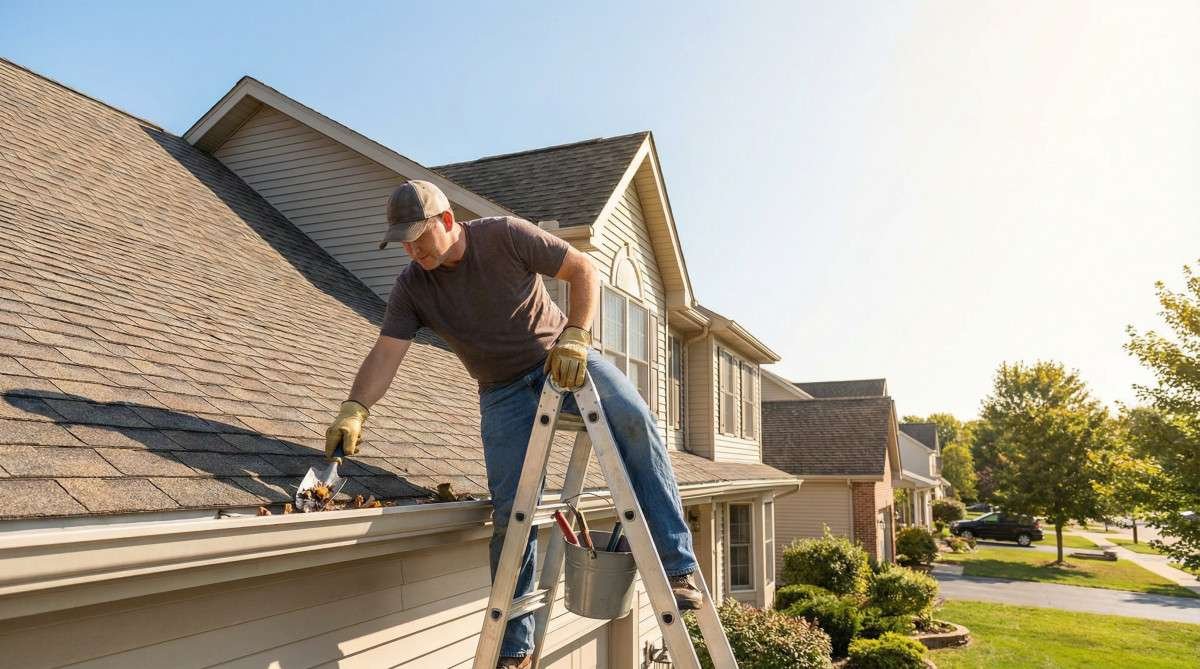
Common Roofing Problems and Troubleshooting
Homeowners frequently encounter common roofing problems such as leaks, missing or damaged shingles, and poor drainage, which can significantly shorten a roof’s lifespan if not addressed promptly and effectively. Leaks often manifest as water stains on ceilings or walls and can be traced to compromised flashing, cracked vents, or damaged underlayment, requiring immediate attention to prevent structural rot and mold growth. Identifying the exact source of a leak is crucial for targeted and successful repairs.
Missing or damaged shingles are a visible sign of wear and tear, often caused by strong winds, hail, or general aging, and they expose the underlying roof structure to the elements. Replacing these individual shingles quickly is a straightforward repair that prevents further deterioration and maintains the roof’s protective barrier. Matching new shingles to existing ones ensures a consistent aesthetic and uniform protection across the roof surface.
Poor drainage, typically resulting from clogged gutters or improper roof pitch, leads to water pooling, which can accelerate material breakdown and encourage moss or algae growth. Regularly cleaning gutters and ensuring downspouts are clear are simple yet effective troubleshooting steps to restore proper water flow. For persistent pooling issues, consulting a roofing professional can help identify and rectify underlying structural or design flaws, preserving the roof’s integrity.
Long-Term Benefits and Advanced Maintenance Tips
Extending a roof’s lifespan yields substantial long-term benefits, including enhanced property value, reduced energy consumption, and significant cost savings by deferring expensive full replacements for many years. A well-maintained roof contributes to a home’s overall curb appeal and structural soundness, making it more attractive to potential buyers and commanding a higher resale price. The prolonged protection against weather elements also safeguards interior assets and structural components, preventing costly repairs.
Advanced maintenance tips go beyond basic cleaning and repairs, incorporating strategic upgrades and professional assessments to maximize roof longevity. Applying protective coatings, particularly on flat or low-slope roofs, can significantly enhance UV resistance and waterproofing, adding years to the roof’s service life. These coatings create an additional barrier against environmental degradation, reducing the rate of material breakdown.
Regular professional inspections, ideally conducted by certified roofing specialists, provide an in-depth assessment of the roof’s condition, identifying subtle issues that might be missed during homeowner checks. These experts can recommend targeted repairs, suggest appropriate upgrades, and offer insights into optimizing roof performance for specific climates. Investing in these advanced maintenance practices ensures the roof remains a robust and reliable shield for the home, delivering continuous value and peace of mind.
Frequently Asked Questions
How often should I inspect my roof for damage?
It is recommended to inspect your roof at least twice a year, typically in the spring and fall, to identify any potential damage or wear before it becomes severe. Additionally, a thorough inspection should be conducted after any major weather event, such as heavy storms, strong winds, or significant snowfall, to check for immediate impacts. Regular visual checks from the ground can also help spot obvious issues like missing shingles or debris accumulation, prompting closer examination.
What are the signs that my roof needs repair or replacement?
Key indicators that your roof needs attention include curled, cracked, or missing shingles, granules in the gutters, water stains on interior ceilings or walls, and sagging roof sections. Other signs can be moss or algae growth, which can trap moisture, or daylight visible through the attic roof boards. Any of these symptoms suggest compromised integrity and warrant a professional assessment to determine the necessary course of action.
Can I perform roof maintenance myself, or should I hire a professional?
While minor tasks like gutter cleaning and visual ground-level inspections can be done by homeowners, it is generally safer and more effective to hire a professional for roof maintenance and repairs. Professionals have the necessary safety equipment, expertise, and tools to identify subtle issues and perform repairs correctly, preventing further damage or injury. Complex tasks or working at heights should always be left to certified roofing contractors.
How does proper ventilation affect roof lifespan?
Proper attic ventilation is crucial for extending roof lifespan by regulating temperature and moisture levels within the attic space, preventing heat buildup and condensation. Good ventilation reduces stress on roofing materials by preventing excessive heat from baking shingles from below, which can cause premature aging and cracking. It also prevents moisture accumulation that can lead to mold, rot, and ice dams, all of which degrade the roof structure and materials over time.
What is the most cost-effective way to extend my roof’s life?
The most cost-effective way to extend your roof’s life is through consistent, proactive maintenance, including regular inspections, timely cleaning of gutters, and prompt repair of minor issues. Addressing small problems like loose shingles or minor leaks immediately prevents them from escalating into major, expensive repairs or requiring a full roof replacement. This preventative approach minimizes long-term costs and maximizes the roof’s functional duration.
Maintaining a roof proactively is a fundamental aspect of responsible homeownership, safeguarding the entire property from the elements and preserving its long-term value. By understanding the factors that influence roof longevity and implementing consistent care strategies, homeowners can significantly extend the life of their roofing system. This diligent approach not only prevents costly emergency repairs but also ensures continuous protection, energy efficiency, and sustained curb appeal for decades to come.

Most Viewed