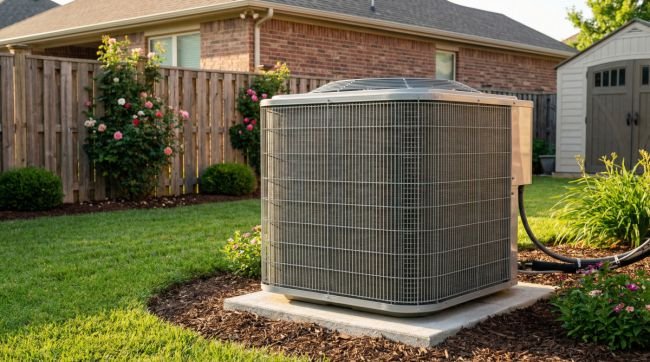

The average lifespan of a residential cooling system, typically an air conditioner or heat pump, ranges from 10 to 15 years, significantly influenced by installation quality, regular maintenance practices, and environmental factors such as climate severity and operational load, which collectively determine its operational efficiency and durability over time.
Understanding the variables that contribute to a system’s operational life allows homeowners to make informed decisions regarding purchase, installation, and ongoing care. Proactive measures can often extend a unit’s service beyond its average expectancy, yielding substantial savings and consistent indoor comfort.
Conversely, neglecting these critical aspects can lead to premature failure, increased energy bills, and the inconvenience of unexpected breakdowns. A well-maintained system operates more efficiently, reducing its environmental impact and ensuring a comfortable living environment.
Cooling system longevity refers to the operational lifespan and sustained efficiency of a home’s air conditioning or heat pump unit, directly impacting household comfort, energy consumption, and long-term financial outlays, making its understanding crucial for homeowners seeking to optimize their investment and minimize unexpected replacement costs.
This concept encompasses not just how many years a unit functions, but also how effectively it performs throughout its operational period. A system that lasts a long time but operates inefficiently is not truly providing optimal longevity.
The importance of maximizing this lifespan extends beyond mere convenience; it represents a significant financial consideration. Replacing a cooling system is a substantial investment, and extending its life defers this cost, providing greater value from the initial purchase.
Furthermore, an efficiently operating system consumes less energy, leading to lower utility bills and a reduced carbon footprint. This dual benefit of cost savings and environmental responsibility underscores the value of understanding and promoting cooling system longevity.
Several critical factors dictate how long a cooling system will effectively function, including the initial quality of the unit, the precision of its installation, the consistency of professional maintenance, and the homeowner’s operational habits, all of which contribute significantly to its overall durability and performance over many years.
The manufacturing quality of the components plays a foundational role; higher-grade materials and robust engineering typically lead to a more resilient system. However, even a premium unit can underperform or fail prematurely if not installed correctly.
Professional installation ensures proper sizing, correct refrigerant charge, and secure connections, preventing undue stress on the system from day one. Regular, professional maintenance addresses wear and tear, cleans vital components, and identifies potential issues before they escalate into major problems.
Homeowner habits, such as regularly changing air filters and avoiding extreme thermostat settings, also contribute to the system’s health. Neglecting these simple tasks can force the unit to work harder, accelerating component degradation.
Comparison of Cooling System Types and Their Lifespans
| System Type | Average Lifespan (Years) | Key Longevity Factors |
|---|---|---|
| Central Air Conditioner | 10-15 | Compressor quality, coil cleanliness, refrigerant levels, duct integrity. |
| Heat Pump | 10-15 | Reversing valve, defrost cycle efficiency, outdoor coil condition, dual-mode operation stress. |
| Ductless Mini-Split | 10-15 | Indoor unit filter maintenance, outdoor unit fan motor, inverter technology reliability. |
| Geothermal Heat Pump | 20-25 (indoor unit), 50+ (ground loop) | Ground loop integrity, indoor unit compressor, professional installation of loop field. |
Implementing a proactive approach to cooling system care involves a series of systematic steps, beginning with informed selection and professional installation, followed by diligent routine maintenance and timely repairs, all designed to extend the unit’s operational life and ensure consistent, efficient performance throughout its service period.
The journey to extended cooling system longevity starts even before purchase, by selecting a unit appropriately sized for the home’s square footage and climate zone. An undersized system will run constantly, while an oversized one will short-cycle, both leading to premature wear.
Professional installation by certified technicians is paramount, ensuring all components are correctly fitted, electrical connections are secure, and refrigerant levels are precisely charged. This foundational step prevents many common issues that shorten a system’s life.
Routine maintenance includes annual professional tune-ups, where technicians inspect, clean, and calibrate components. Homeowners should regularly change air filters, keep outdoor units clear of debris, and ensure vents are unobstructed, complementing professional care.
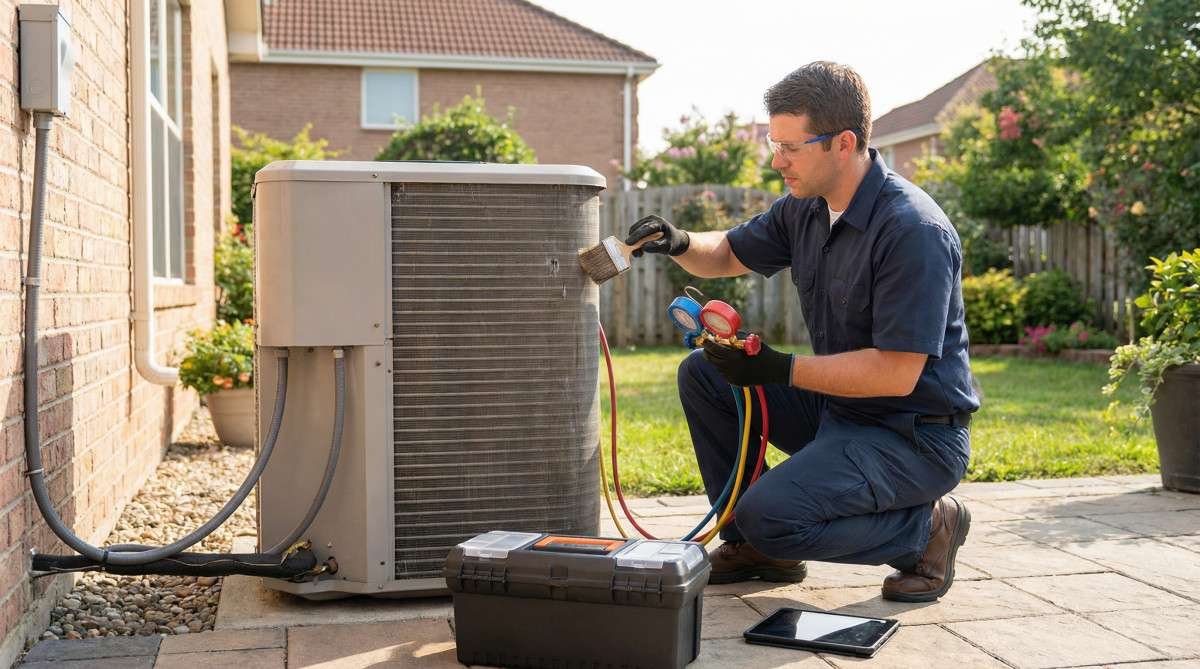
Addressing common problems promptly is essential for preserving cooling system longevity, as minor issues like refrigerant leaks, clogged drains, or electrical faults can quickly escalate into significant damage if left uncorrected, leading to reduced efficiency, increased repair costs, and a shortened overall operational lifespan for the unit.
Refrigerant leaks, often indicated by reduced cooling capacity or ice formation on coils, diminish efficiency and can overwork the compressor. Prompt detection and repair by a qualified technician are crucial to prevent compressor failure.
Clogged condensate drains can lead to water damage, mold growth, and system shutdowns. Regular cleaning of the drain line, often with a diluted bleach solution, can prevent these blockages and ensure proper moisture removal.
Electrical issues, such as faulty wiring or capacitor problems, can cause intermittent operation or complete system failure. These require professional diagnosis and repair to ensure safety and restore proper function, preventing further component damage.
Prioritizing long-term benefits through consistent maintenance practices ensures optimal cooling system longevity, resulting in sustained energy efficiency, reduced repair frequency, enhanced indoor air quality, and the significant financial advantage of delaying costly system replacement, thereby maximizing the return on a homeowner’s initial investment.
A well-maintained system operates at peak efficiency, consuming less electricity to achieve desired temperatures. This translates directly into lower monthly energy bills, providing ongoing savings throughout the unit’s extended life.
Regular inspections and preventative care catch small issues before they become major breakdowns, significantly reducing the frequency and expense of emergency repairs. This proactive approach minimizes inconvenience and unexpected costs.
Furthermore, clean filters and coils contribute to better indoor air quality by trapping dust, allergens, and pollutants. This creates a healthier living environment, an often-overlooked benefit of diligent cooling system maintenance.
Frequently Asked Questions
How often should a cooling system be professionally serviced?
A cooling system should undergo professional servicing at least once annually, ideally in the spring before the peak cooling season begins. This ensures all components are clean, calibrated, and functioning correctly, optimizing efficiency and preventing potential issues.
What are the signs that my cooling system is failing?
Common signs of a failing cooling system include reduced airflow, warm air blowing from vents, unusual noises like grinding or squealing, strange odors, frequent cycling on and off, and unexplained increases in energy bills, all indicating a need for professional inspection.
Can I extend my cooling system’s life beyond its average expectancy?
Yes, extending a cooling system’s life beyond its average expectancy is achievable through consistent professional maintenance, regular filter changes, keeping the outdoor unit clean, promptly addressing minor repairs, and ensuring the system is appropriately sized for your home’s cooling needs.
Does the climate affect cooling system longevity?
Yes, the climate significantly affects cooling system longevity; units in hotter, more humid climates experience greater operational stress and run more frequently, leading to faster wear and tear compared to systems in milder regions, necessitating more diligent maintenance schedules.
Is it better to repair an old system or replace it?
Deciding whether to repair an old system or replace it depends on factors like the repair cost relative to replacement, the system’s age, its current efficiency, and the frequency of breakdowns. Generally, if repairs exceed 50% of a new unit’s cost or the system is over 10-12 years old, replacement is often more economical long-term.
Ultimately, the longevity of a home’s cooling system is not solely a matter of chance but a direct reflection of informed choices and consistent care. By understanding the critical factors influencing its lifespan and committing to a regimen of proactive maintenance, homeowners can significantly extend their unit’s operational years.
This diligent approach ensures not only a comfortable indoor environment but also contributes to substantial energy savings and avoids the inconvenience and expense of premature system replacement. Investing in the care of your cooling system is an investment in your home’s long-term efficiency and comfort.

Most Viewed