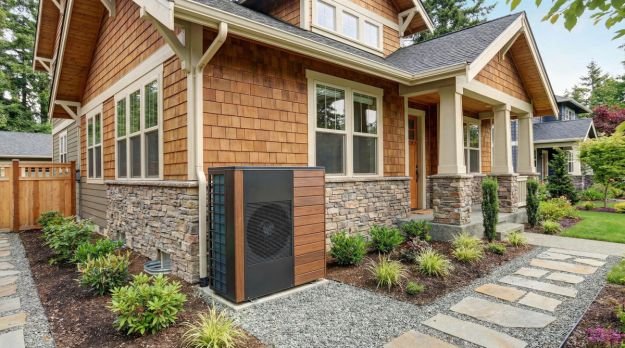

Heat pumps efficiently transfer thermal energy, rather than generating it through combustion, making them a highly effective and environmentally conscious choice for residential heating and cooling. This technology extracts heat from one location and moves it to another, providing warmth during colder months and expelling heat to cool spaces in warmer seasons. Their operational principle allows for significant energy savings compared to traditional HVAC systems, contributing to lower utility bills and a reduced carbon footprint, which are key heat pump advantages homeowners seek.
The core heat pump advantages lie in their ability to deliver consistent indoor temperatures with remarkable energy efficiency, leveraging existing ambient heat from the air, ground, or water. This process minimizes the consumption of fossil fuels, aligning with contemporary demands for sustainable living and energy independence. Homeowners considering an upgrade to their climate control system often find heat pumps to be a compelling option due to their dual functionality and long-term economic benefits, highlighting the clear heat pump advantages.
Beyond energy efficiency, heat pumps contribute to improved indoor air quality by continuously circulating and filtering air, and their quiet operation enhances the overall comfort of a living space. The versatility of these systems, capable of performing effectively in diverse climates, further solidifies their position as a leading solution in modern home climate management. Understanding the specific heat pump advantages and operational nuances is crucial for making an informed decision about their implementation.
Core Concept and Significance: How Heat Pumps Revolutionize Home Climate Control
Heat pumps operate on the principle of heat transfer, moving thermal energy from one area to another, which fundamentally differs from conventional furnaces that generate heat through fuel combustion, thereby offering distinct heat pump advantages in energy consumption. This innovative approach allows a single system to provide both heating and cooling, eliminating the need for separate units and streamlining home climate management. By extracting heat from the outdoor air, ground, or water during winter and reversing the process in summer, heat pumps maintain comfortable indoor temperatures year-round with exceptional energy efficiency, often consuming significantly less electricity than traditional systems.
The significance of heat pumps in modern home climate control stems from their ability to deliver substantial energy savings and reduce environmental impact, which are primary heat pump advantages. Their high efficiency ratings, measured by Seasonal Energy Efficiency Ratio (SEER) for cooling and Heating Seasonal Performance Factor (HSPF) for heating, consistently outperform conventional systems. This translates directly into lower monthly utility bills for homeowners, making them an economically attractive investment over the lifespan of the unit. Furthermore, by reducing reliance on fossil fuels, heat pumps play a crucial role in decreasing greenhouse gas emissions and promoting a more sustainable energy future for residential properties, showcasing the broad heat pump advantages.
Key Factors, Types, and Options: Choosing the Right Heat Pump System
Selecting the appropriate heat pump system involves evaluating several key factors, including climate conditions, home size, insulation levels, and budget, to ensure optimal performance and efficiency, thereby maximizing the inherent heat pump advantages. Different types of heat pumps are designed to leverage various heat sources, each offering distinct advantages based on specific environmental and structural considerations. Understanding these options is essential for homeowners to make an informed decision that aligns with their energy goals and property characteristics, and to fully appreciate the heat pump advantages.
| Heat Pump Type | Primary Heat Source/Sink | Advantages | Considerations |
|---|---|---|---|
| Air-Source Heat Pumps | Outdoor air | Most common and affordable; relatively easy installation; effective in moderate climates. | Efficiency can decrease in extreme cold; requires outdoor unit; performance varies with ambient temperature. |
| Geothermal Heat Pumps | Ground or groundwater | Highly efficient and stable performance regardless of air temperature; very long lifespan; quiet operation. | Higher upfront cost due to ground loop installation; requires significant yard space for installation. |
| Water-Source Heat Pumps | Nearby water body (pond, lake, well) | Excellent efficiency and consistent performance; ideal for properties with accessible water sources. | Requires proximity to a suitable water source; installation complexity can be high. |
| Ductless Mini-Split Heat Pumps | Outdoor air (similar to air-source) | Ideal for homes without existing ductwork; allows for zone heating/cooling; flexible installation. | Multiple indoor units may be needed for larger homes; aesthetic considerations for indoor units. |
Each heat pump type presents a unique balance of efficiency, cost, and installation requirements, necessitating careful consideration of individual home needs. Air-source models are popular for their accessibility and lower initial investment, while geothermal systems offer unparalleled efficiency and longevity, albeit with a higher upfront cost. Ductless mini-splits provide flexible solutions for specific zones or homes without traditional ductwork, offering targeted comfort. The choice ultimately depends on a comprehensive assessment of the property and long-term energy objectives, all contributing to the overall heat pump advantages.
Step-by-Step Implementation Approach: Installing a Heat Pump System
Implementing a heat pump system involves a structured process, beginning with a thorough assessment of the property and culminating in professional installation and system commissioning, ensuring all heat pump advantages are fully realized. This systematic approach ensures that the chosen heat pump is appropriately sized and configured for the home\’s specific heating and cooling demands, maximizing efficiency and comfort. Engaging qualified HVAC professionals throughout each stage is paramount for a successful installation.
The initial step involves a comprehensive energy audit and load calculation, where professionals evaluate the home\’s insulation, window efficiency, and overall thermal envelope to determine the precise heating and cooling capacity required. This prevents oversizing or undersizing the unit, both of which can lead to inefficient operation and reduced lifespan. Following this, a suitable heat pump type (air-source, geothermal, etc.) is selected based on the home\’s characteristics, climate, and the homeowner\’s budget and preferences, further emphasizing the heat pump advantages.
Installation typically includes preparing the site, installing indoor and outdoor units, connecting refrigerant lines and electrical wiring, and integrating with existing ductwork or installing new ductless units. For geothermal systems, this also involves excavating and installing ground loops. Finally, the system undergoes rigorous testing and commissioning to ensure all components are functioning correctly, refrigerant levels are optimal, and the system is operating at peak efficiency. Homeowners receive guidance on system operation and maintenance to ensure long-term performance and fully leverage the heat pump advantages.
Cost Considerations and Return on Investment: Evaluating Heat Pump Economics
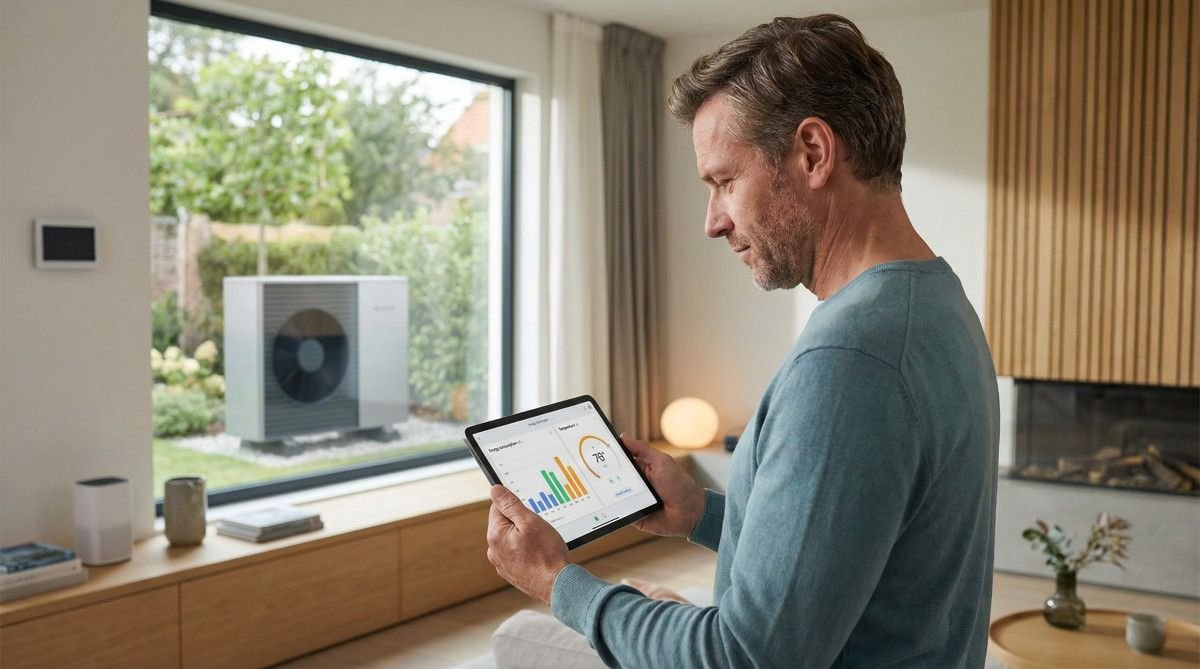
The financial aspect of installing a heat pump system encompasses initial purchase and installation costs, potential government incentives, and long-term operational savings, all of which contribute to a favorable return on investment and highlight significant heat pump advantages. While the upfront expense for a heat pump can be higher than traditional HVAC systems, the significant reductions in energy consumption typically offset this initial outlay over time. Understanding these economic factors is crucial for homeowners assessing the overall value proposition and the heat pump advantages.
Initial costs vary widely depending on the type of heat pump, system size, and installation complexity. Geothermal systems, for instance, have a higher installation cost due to the extensive ground loop excavation, but they also offer the highest efficiency and longest lifespan. Air-source heat pumps are generally more affordable to install. Homeowners should research available federal, state, and local rebates, tax credits, and utility incentives, which can substantially reduce the net cost of installation and accelerate the payback period, making the heat pump advantages even more accessible.
Operational savings are primarily driven by the heat pump\’s superior energy efficiency. By transferring heat rather than generating it, these systems consume less electricity, leading to lower monthly utility bills for both heating and cooling. The exact savings depend on local energy prices, climate, and the efficiency of the old system being replaced. Over a 10-15 year lifespan, the cumulative energy savings often exceed the initial investment, making heat pumps a financially sound upgrade for many properties, further emphasizing the heat pump advantages.
Long-Term Benefits and Maintenance Tips: Ensuring Optimal Heat Pump Performance
The long-term benefits of heat pump ownership extend beyond immediate energy savings, encompassing enhanced home comfort, improved environmental sustainability, and increased property value, all supported by consistent maintenance, which are core heat pump advantages. Regular upkeep is essential to ensure the system operates at peak efficiency throughout its extended lifespan, maximizing these advantages for homeowners. Proactive maintenance prevents costly repairs and maintains optimal performance, securing the heat pump advantages for years to come.
Heat pumps provide consistent, even heating and cooling, eliminating the hot and cold spots often associated with traditional systems, thereby enhancing overall indoor comfort. Their ability to filter and dehumidify air also contributes to better indoor air quality. Environmentally, heat pumps significantly reduce a home\’s carbon footprint by minimizing reliance on fossil fuels, aligning with broader sustainability goals. Furthermore, the installation of an energy-efficient heat pump can increase a home\’s market value, appealing to environmentally conscious buyers, adding to the list of heat pump advantages.
Routine maintenance includes annual professional inspections to check refrigerant levels, electrical connections, and overall system operation. Homeowners should regularly clean or replace air filters, keep the outdoor unit free from debris, and ensure indoor vents are unobstructed. Periodically cleaning coils and checking for leaks also contributes to sustained efficiency. Adhering to a consistent maintenance schedule ensures the heat pump delivers reliable, efficient performance for many years, protecting the investment and maximizing its benefits, which are the inherent heat pump advantages.
Frequently Asked Questions
What is the average lifespan of a heat pump?
The average lifespan of a heat pump typically ranges from 15 to 20 years, though this can vary based on the type of system, quality of installation, usage patterns, and adherence to regular maintenance schedules. Geothermal heat pumps often boast a longer lifespan, with some components lasting 20-25 years or more, due to the stable underground temperatures they utilize, contributing to their heat pump advantages.
Are heat pumps effective in cold climates?
Modern heat pumps, particularly cold-climate air-source heat pumps and geothermal systems, are highly effective in cold climates, capable of providing efficient heating even when outdoor temperatures drop significantly below freezing. Advancements in technology, such as variable-speed compressors and enhanced refrigerants, have greatly improved their performance in colder regions, making them a viable alternative to traditional furnaces and showcasing their heat pump advantages.
How do heat pumps improve indoor air quality?
Heat pumps improve indoor air quality by continuously circulating air through filtration systems, removing dust, allergens, and other airborne particulates. Many models also offer dehumidification capabilities, which can reduce mold and mildew growth, contributing to a healthier indoor environment. This constant air movement and filtration are beneficial for occupants, especially those with allergies or respiratory sensitivities, and represent significant heat pump advantages.
What is the difference between a heat pump and an air conditioner?
While both heat pumps and air conditioners use similar refrigeration cycles to cool a space, a key difference is that a heat pump can reverse its cycle to provide heating as well as cooling. An air conditioner is designed only for cooling, expelling heat from indoors to outdoors. A heat pump offers year-round climate control from a single unit, making it a more versatile system and highlighting its heat pump advantages.
What maintenance is required for a heat pump?
Regular maintenance for a heat pump includes annual professional inspections, monthly cleaning or replacement of air filters, keeping the outdoor unit clear of debris, and ensuring indoor vents are unobstructed. Periodically cleaning the coils and checking for refrigerant leaks are also important tasks to ensure the system operates efficiently and reliably throughout its lifespan, preserving the heat pump advantages.

Most Viewed