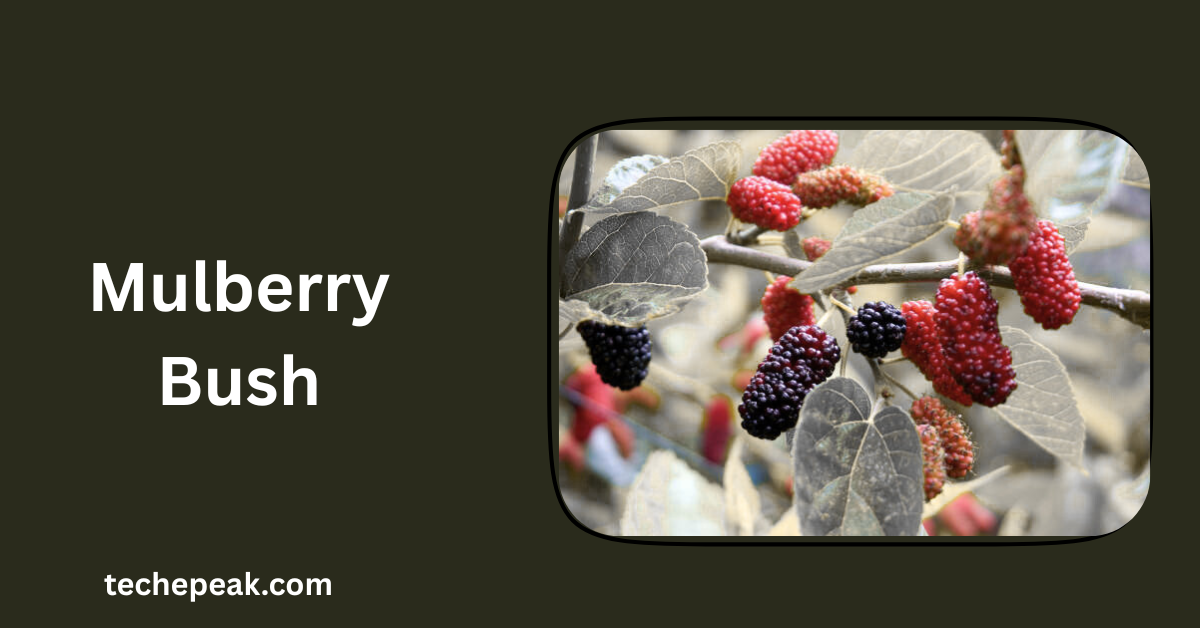

The mulberry bush has been cherished for centuries for its sweet fruit, medicinal properties, and agricultural value. Found across Asia, Europe, and North America, this hardy plant produces the delicious mulberry fruit, which comes in red, white, and black varieties. Its fruit is rich in vitamins, antioxidants, and natural sugars, making it a popular ingredient in jams, teas, and herbal medicines. The mulberry bush also plays a vital role in the silk industry, as its leaves are the primary food source for silkworms.
Table of Contents
ToggleOrigin and Botanical Background of the Mulberry Bush
The mulberry bush belongs to the Morus genus, part of the Moraceae family. Botanically, it’s a fast-growing deciduous shrub or small tree that thrives in warm climates. Historically, mulberries were cultivated in China over 4,000 years ago for sericulture—the rearing of silkworms. Over time, they spread to Persia, India, and Europe through trade routes, becoming an important fruit in both ancient and modern diets.
Mulberry bushes are known for their adaptability. They can grow in a wide range of soils—from sandy to loamy—and withstand drought once established. With a lifespan extending beyond 50 years, these bushes remain a sustainable source of nutrition and agricultural utility.
| Feature | Details |
|---|---|
| Scientific Name | Morus alba (white mulberry), Morus nigra (black mulberry), Morus rubra (red mulberry) |
| Family | Moraceae |
| Native Regions | China, India, Persia |
| Average Height | 3 to 10 meters |
| Lifespan | 50+ years |
| Uses | Fruit production, sericulture, herbal medicine, woodcraft |
| Growing Season | Spring to early summer |
| Soil Type | Well-drained, loamy or sandy soil |
Cultural and Historical Importance of the Mulberry Bush
Throughout history, the mulberry bush has carried symbolic and economic value. In ancient China, it was considered a tree of life because of its connection to silk production. The leaves were used to feed silkworms, which produced the luxurious silk fabric that fueled international trade.
In Europe, particularly in England, the mulberry became a symbol of prosperity and fertility. Even in folklore, the phrase “Here we go round the mulberry bush” refers to community gatherings and agricultural traditions tied to seasonal work. Its connection to both livelihood and culture has made it more than just a plant—it’s part of human history.
Health Benefits of the Mulberry Bush Fruit
The mulberry bush offers far more than just delicious fruit. Its berries are nutrient-dense and support overall well-being. Each berry contains fiber, vitamin C, iron, and plant compounds such as anthocyanins and resveratrol—both powerful antioxidants known for their role in reducing oxidative stress.
Boosting Immunity and Heart Health
The antioxidants found in mulberries help strengthen the immune system and improve blood circulation. Regular consumption of mulberry fruit can reduce cholesterol levels and support cardiovascular health.
Regulating Blood Sugar Levels
Mulberries contain compounds that may help control glucose absorption, making them a natural aid for people managing diabetes. Studies show that mulberry leaves contain DNJ (1-deoxynojirimycin), which helps slow down sugar digestion in the intestine.
Improving Digestion and Skin Health
Rich in fiber, mulberries support digestive health and detoxify the liver. Their high vitamin C content also aids collagen formation, keeping the skin youthful and healthy.
How to Grow and Cultivate the Mulberry Bush
Growing a mulberry bush is simple and rewarding. It thrives best in temperate to subtropical climates with plenty of sunlight.
Planting and Soil Preparation
The ideal time to plant mulberries is during spring when the soil is moist. Choose a well-drained, loamy soil with a neutral pH. Space young plants about 5–6 meters apart to allow for proper growth.
Water the plants regularly during the first year. Once the roots are established, the mulberry bush becomes highly drought-resistant. Adding organic compost helps maintain soil fertility and supports fruit production.
Pruning and Maintenance
Regular pruning keeps the plant healthy and ensures abundant fruiting. Remove dead or weak branches during late winter before new growth starts. This not only enhances air circulation but also minimizes pest infestation.
Harvesting the Fruit
Mulberries ripen during early summer. The fruit should be harvested when it turns dark purple or black, indicating full maturity. Handle them gently as the berries bruise easily. Fresh mulberries can be eaten raw, dried for storage, or used to make juices, jams, and desserts.
Uses of the Mulberry Bush Beyond Food
While most people know the mulberry for its fruit, the mulberry bush has several other uses that extend beyond the kitchen.
Silk Production
The leaves of the mulberry are essential for the silk industry. Silkworms feed exclusively on these leaves to produce fine silk threads. Countries like China and India still rely heavily on mulberry cultivation for sericulture.
Medicinal Applications
Traditional medicine uses every part of the mulberry bush—fruit, bark, and roots. Mulberry root extracts are used in herbal treatments for inflammation and hypertension. The leaves are made into teas believed to improve metabolism and lower blood sugar levels.
Wood and Craftsmanship
The wood of the mulberry tree is durable and used in furniture making, especially in rural areas. Its light yellow color makes it ideal for decorative work.
Environmental and Economic Importance
The mulberry bush contributes significantly to ecological stability. Its deep roots prevent soil erosion, and its dense foliage provides shade and habitat for birds and insects. Farmers cultivate it as a multipurpose crop—offering fruit, fodder, and silk industry support—all from a single plant.
Economically, mulberry farming generates income for small-scale farmers, especially in Asia. Its adaptability to diverse environments allows it to grow even on marginal lands, supporting sustainable agriculture.
Case Study: Mulberry Farming in Northern India
In northern India, particularly in the states of Karnataka and Assam, mulberry bush cultivation supports thousands of rural families. Farmers grow white mulberry (Morus alba) for silkworm rearing, while others harvest the fruit for local markets. The dual-purpose use of mulberry—food and silk—has increased income levels in these regions.
Local cooperatives also produce mulberry tea and syrups, expanding its economic reach. This model demonstrates how one plant can enhance both livelihood and environmental sustainability.
Interesting Facts About the Mulberry Bush
Long Lifespan
A healthy mulberry bush can live more than 50 years and keep producing fruit throughout its life span.
Nutrient Powerhouse
A single serving of mulberries provides over 60% of the daily vitamin C requirement.
Global Versatility
From China’s silk farms to Europe’s dessert tables, mulberries remain one of the world’s most versatile fruits.
Conclusion
The mulberry bush is far more than a fruit-bearing plant. It’s a symbol of sustainability, culture, and nutrition. Its fruits nourish, its leaves sustain the silk industry, and its presence enriches both ecosystems and economies. Whether grown for farming, food, or traditional medicine, the mulberry bush remains an enduring part of human life—rich in history, full of flavor, and bursting with health benefits.
Also Read:
Most Viewed