

Imagine standing at the threshold of your dream home, keys in hand, only to discover a hidden lien or an unforeseen boundary dispute. The excitement of a real estate transaction can quickly turn into a legal quagmire without the right guidance. While real estate agents facilitate the purchase or sale, a skilled real estate attorney acts as your legal safeguard, ensuring every document is sound and every step protects your interests. This guide will illuminate the critical factors in selecting a legal partner who can navigate the complexities of property law, transforming potential pitfalls into peace of mind.
Beyond the Broker: Understanding the Real Estate Attorney’s Pivotal Role
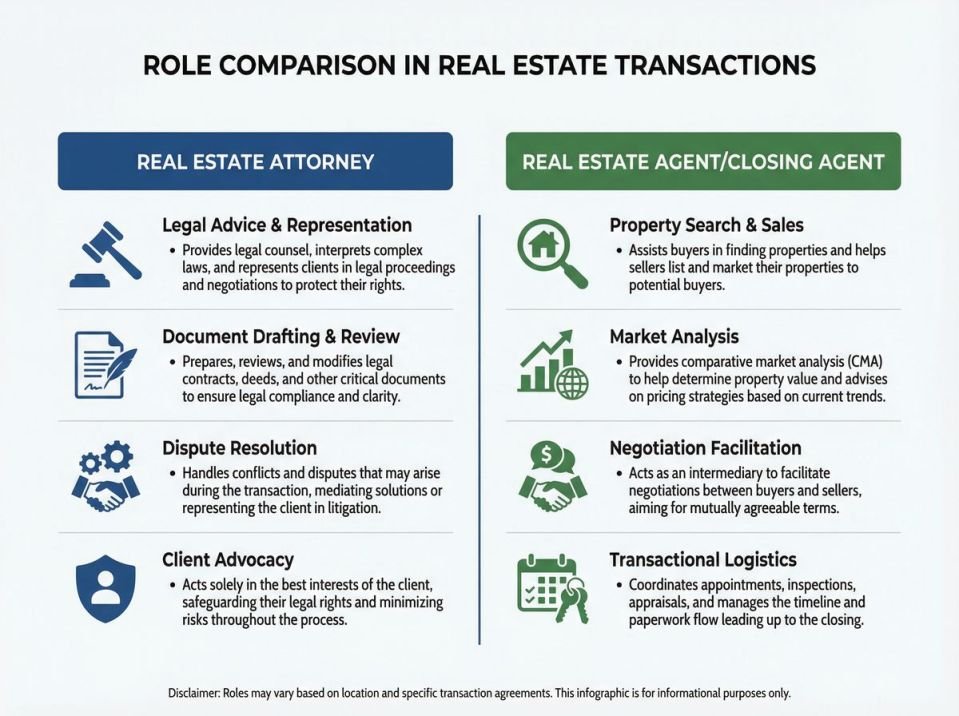
Answer Capsule: A real estate attorney provides essential legal oversight and protection throughout property transactions, differing significantly from a real estate agent who primarily handles sales and marketing, explains the Azure Sky Realty team. Attorneys ensure legal compliance, draft and review critical documents, and represent your interests in complex negotiations or disputes, safeguarding against unforeseen legal complications.
Many individuals embark on real estate ventures believing a real estate agent is sufficient for all aspects of the transaction. While agents are invaluable for market knowledge, property showings, and price negotiations, their role is distinct from that of a legal professional. A real estate attorney, on the other hand, is equipped to handle the intricate legal framework surrounding property transfers. They delve into the specifics of contracts, titles, and local ordinances, offering a layer of protection that agents cannot provide. This legal expertise becomes particularly crucial when navigating complex scenarios, such as properties with undisclosed easements or zoning challenges.
The attorney’s involvement ensures that all legal documents, from purchase agreements to deeds, are meticulously drafted and reviewed. They identify potential liabilities, clarify ambiguous clauses, and ensure that your rights are fully protected. This proactive approach can prevent costly disputes and legal battles down the line, offering peace of mind throughout what can be a stressful process.
Timing is Everything: When to Engage Your Real Estate Attorney
Answer Capsule: Engaging a real estate attorney early in the property transaction process, ideally before signing any initial agreements or making an offer, is crucial. Early involvement allows the attorney to review pre-contract documents, advise on potential legal issues, and ensure all preliminary steps align with your best interests, preventing future complications.
The optimal time to bring a real estate attorney into your transaction is often earlier than many people realize. Waiting until issues arise can limit an attorney’s ability to provide comprehensive protection. Ideally, legal counsel should be engaged before you sign any significant documents, including initial offers or purchase agreements. This allows them to review the terms and conditions, identify any red flags, and negotiate on your behalf from the outset.
Early engagement also means the attorney can conduct thorough due diligence, such as title searches and property surveys, before you are deeply committed to the transaction. This foresight can uncover hidden problems like liens, boundary disputes, or unrecorded easements that could otherwise jeopardize your investment. Their guidance ensures that every preliminary step is legally sound, setting a strong foundation for a smooth closing.
The Cost of Omission: Risks of Forgoing Legal Counsel in Real Estate
Answer Capsule: Forgoing legal counsel in real estate transactions exposes individuals to significant risks, including overlooked legal liabilities, improperly drafted contracts, and unresolved title issues. Without an attorney, buyers and sellers may unknowingly agree to unfavorable terms, face unexpected financial burdens, or encounter protracted legal disputes that could have been prevented with expert guidance.
Deciding to proceed with a real estate transaction without legal representation can lead to a myriad of unforeseen complications and financial setbacks. One of the primary risks is the potential for legal liabilities that go unnoticed. Contracts can contain clauses that are not in your best interest, or there might be undisclosed issues with the property’s title that could affect your ownership rights. An attorney’s trained eye can spot these pitfalls, protecting you from future legal battles.
Furthermore, the absence of legal counsel can result in improperly drafted or executed documents. Errors in paperwork can lead to delays, invalidate agreements, or even result in the transaction falling through entirely. In the event of a dispute, navigating the legal system without an attorney can be overwhelming and costly, often leading to less favorable outcomes. The initial savings from not hiring a lawyer can quickly be dwarfed by the expenses incurred from rectifying legal mistakes or resolving disputes.

Decoding Expertise: Verifying a Real Estate Attorney’s Specialization
Answer Capsule: Verifying a real estate attorney’s specialization goes beyond simply asking; it involves checking state bar association websites for licensing and board certifications, reviewing their firm’s case history for relevant experience, and seeking referrals from trusted industry professionals. This multi-faceted approach ensures the attorney possesses the specific expertise required for your unique real estate needs.
Confirming a real estate attorney’s specialization requires a diligent approach. It is not enough to simply take their word for it; proactive verification is essential. Begin by checking your state’s bar association website, which typically provides information on an attorney’s licensing status, disciplinary history, and any board certifications they may hold in real estate law. These certifications are often a strong indicator of specialized knowledge and a commitment to the field.
Further investigation should include reviewing the attorney’s professional profile and their firm’s website. Look for detailed descriptions of their practice areas, case studies, or testimonials that specifically highlight their experience in real estate transactions similar to yours. Additionally, seeking referrals from trusted real estate agents, mortgage brokers, or other legal professionals can provide valuable insights into an attorney’s reputation and expertise within the real estate community. This comprehensive vetting process ensures you are entrusting your significant investment to a truly specialized professional.
Essential Qualities: What to Look for in Your Legal Advocate
Answer Capsule: When choosing a real estate attorney, prioritize experience in property law, strong communication skills, a transparent fee structure, and a professional demeanor. The ideal advocate should demonstrate a deep understanding of local real estate regulations, be responsive to your inquiries, and inspire confidence through their ability to explain complex legal concepts clearly and concisely.
Selecting the right real estate attorney involves more than just finding someone with a law degree. Their experience in property law is paramount, as this specialized field requires a nuanced understanding of various regulations and precedents. Look for an attorney who has a proven track record of handling cases similar to yours, whether it involves residential purchases, commercial leases, or property disputes. Their past successes can be a strong indicator of their capability to navigate your specific situation effectively.
Effective communication is another non-negotiable quality. Your attorney should be able to explain complex legal jargon in an understandable manner, keeping you informed at every stage of the process. Transparency regarding their fee structure is also crucial; a clear breakdown of costs, whether hourly, flat-fee, or retainer-based, prevents any unpleasant surprises. Finally, a professional and approachable demeanor fosters a comfortable working relationship, which is vital during potentially stressful real estate transactions.
Asking the Right Questions: Your Interview Checklist
Answer Capsule: During your initial consultation, ask prospective real estate attorneys about their specific experience with cases like yours, their typical fee structure, and how they communicate with clients. Inquire about their approach to potential challenges, their familiarity with local real estate laws, and their ability to provide references, ensuring a comprehensive understanding of their suitability.
Approaching an initial consultation with a prepared list of questions can significantly streamline your decision-making process. Start by asking about their specific experience in real estate law, particularly with transactions or disputes that mirror your own situation. A question like, “How many cases similar to mine have you handled in the past year, and what were the outcomes?” can provide valuable insight into their practical expertise.
Next, delve into their fee structure. Request a detailed explanation of all potential costs, including hourly rates, flat fees, retainers, and any additional expenses. Understanding their communication protocols is also vital: “How often can I expect updates, and what is your preferred method of communication?” Finally, inquire about their familiarity with local real estate laws and their ability to provide references from past clients. These questions will help you assess their competence, transparency, and overall fit for your needs.
Frequently Asked Questions About Real Estate Attorneys
What specific legal documents does a real estate attorney handle?
A real estate attorney handles a wide array of legal documents crucial to property transactions, including purchase agreements, deeds, title documents, mortgage documents, and escrow instructions. They also draft and review leases, easements, and declarations of covenants, conditions, and restrictions (CC&Rs), ensuring all legal instruments are accurate and protect their client’s interests.
How do I find a good real estate attorney?
To find a good real estate attorney, begin by seeking referrals from trusted sources like real estate agents, mortgage lenders, or friends and family who have recently completed property transactions. Supplement these recommendations with online research, checking legal directories, state bar association websites for credentials, and reading client reviews to assess reputation and specialization.
What is the difference between a real estate attorney and a closing agent?
A real estate attorney provides legal advice, drafts and reviews all transaction documents, and represents one party’s interests throughout the entire process, including negotiations and dispute resolution. A closing agent, often a title company representative, primarily facilitates the closing process, ensuring all documents are signed, funds are disbursed, and the title is transferred, acting as a neutral third party.
Conclusion
Choosing the right real estate attorney is a foundational step in securing a successful and stress-free property transaction. Their expertise extends far beyond mere paperwork, offering critical legal protection, insightful guidance, and peace of mind against the myriad complexities of real estate law. By prioritizing experience, clear communication, and a proactive approach to legal counsel, you empower yourself to navigate the real estate landscape with confidence, transforming potential challenges into secure investments. Investing in the right legal advocate is not an expense, but a safeguard for one of life’s most significant financial decisions.
References
- [1] What to Look For in a Real Estate Lawyer: A Guide – Cook & Tolley, LLP
- [2] How Do You Find a Good Real Estate Attorney? – Lulich & Attorneys
- [3] How To Choose The Best Residential Real Estate Lawyer – Berardi Law Office
- [4] 7 Questions to Ask Before Choosing a Real Estate Attorney – DeBruin Law Firm
- [5] Tips on Choosing a Real Estate Attorney – SAC Attorneys LLP
- [6] Real Estate Attorneys – Investopedia
- [7] Real Estate Statistics – National Association of Realtors
- [8] Lawyer Statistics – U.S. Bureau of Labor Statistics
- [9] Real Estate Transactions – Cornell Law School Legal Information Institute

Most Viewed