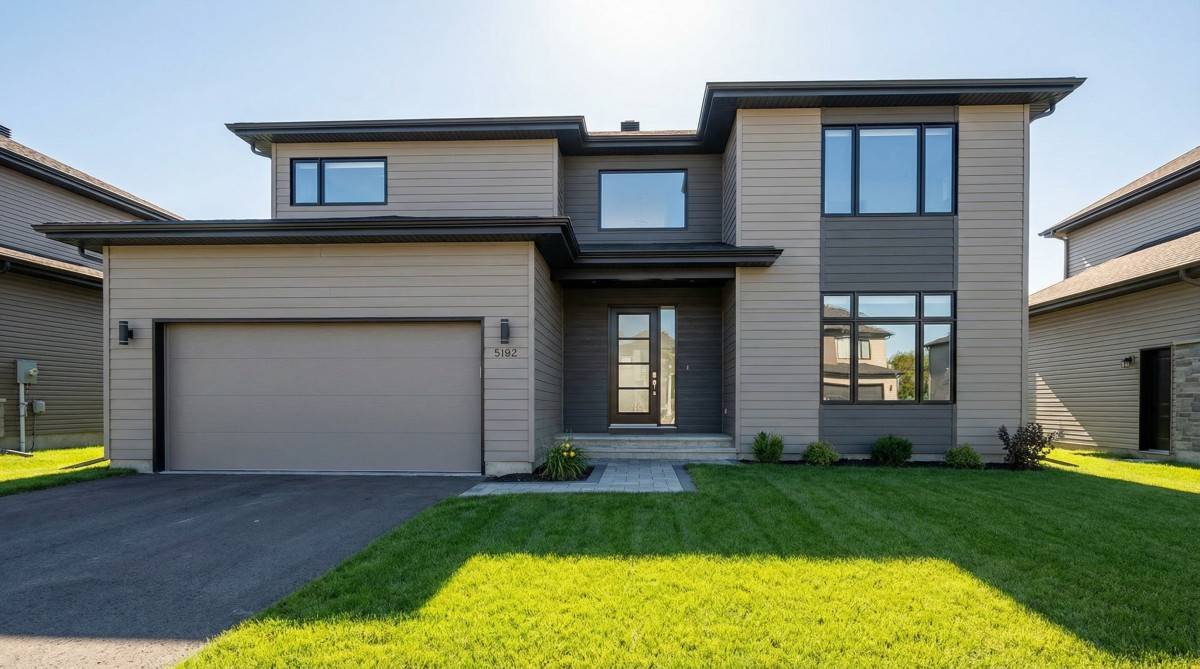

Siding material selection significantly impacts a home’s aesthetic appeal, energy efficiency, and long-term maintenance requirements, directly influencing its structural integrity and resale value. The choice of exterior cladding must balance durability against climate conditions, architectural style, and budget constraints to ensure optimal performance and visual harmony. Understanding the distinct properties of each material is crucial for making an informed decision that protects and enhances the property for decades.
The exterior siding acts as the primary protective barrier against environmental elements, including harsh weather, moisture, and pests. Different materials offer varying levels of insulation, fire resistance, and soundproofing, contributing to the overall comfort and safety of the inhabitants. Homeowners must consider these functional aspects alongside aesthetic preferences to achieve a comprehensive solution.
Proper siding material selection involves evaluating factors such as material cost, installation complexity, and expected lifespan, alongside the visual impact on the home’s facade. Each option presents a unique set of advantages and disadvantages that require careful consideration to align with both immediate needs and future aspirations for the property. A well-chosen siding enhances curb appeal and reduces ongoing upkeep.
Understanding Siding Materials: Core Concepts and Their Importance
Siding materials are fundamental to a home’s exterior, providing essential protection from weather while defining its architectural character and influencing energy performance. These cladding options, ranging from traditional wood to modern composites, serve as the first line of defense against rain, wind, and temperature fluctuations, directly impacting the longevity and structural soundness of the entire building envelope. The selection process is critical for both aesthetic appeal and functional resilience.
Beyond mere aesthetics, siding plays a vital role in a home’s thermal envelope, contributing to its insulation value and overall energy efficiency. A well-insulated exterior reduces heating and cooling costs, leading to significant long-term savings for homeowners. Furthermore, the right siding can deter pests, resist fire, and minimize noise transmission, enhancing the living environment.
The importance of siding material selection extends to property value and maintenance demands. Durable, low-maintenance materials can increase a home’s market appeal and reduce the time and expense associated with upkeep. Conversely, poor choices can lead to premature deterioration, costly repairs, and diminished curb appeal, underscoring the need for careful consideration.
Key Factors and Types of Siding Materials: A Comparative Analysis
Key factors influencing siding material selection include durability, maintenance requirements, cost, aesthetic versatility, and environmental impact, each playing a crucial role in determining the most suitable option for a given property. Homeowners must weigh these considerations against their specific needs, local climate, and architectural style to ensure a choice that offers both functional performance and visual appeal. A thorough comparison of available types is essential for an informed decision.
Different siding materials offer distinct advantages and disadvantages across these critical factors. For instance, vinyl siding is known for its affordability and low maintenance, while fiber cement provides exceptional durability and fire resistance. Wood siding offers natural beauty but requires more frequent upkeep. Understanding these trade-offs is paramount.
The table below provides a comparative overview of common siding materials, highlighting their key characteristics to assist in the siding material selection process. This structured comparison helps homeowners evaluate options based on their priorities and project requirements.
| Material Type | Durability | Maintenance | Initial Cost | Aesthetic |
|---|---|---|---|---|
| Vinyl Siding | Good (20-40 years) | Low (washing) | Low | Versatile, many colors |
| Fiber Cement | Excellent (50+ years) | Low (painting every 10-15 years) | Medium | Mimics wood, stone, brick |
| Wood Siding | Good (20-40 years) | High (painting/staining every 3-7 years) | High | Natural, classic look |
| Brick | Excellent (100+ years) | Very Low (occasional cleaning) | Very High | Timeless, traditional |
| Stone Veneer | Excellent (50+ years) | Low (occasional cleaning) | High | Rustic, luxurious |
| Metal Siding | Excellent (40-70 years) | Low (washing) | Medium | Modern, industrial |
Step-by-Step Approach to Siding Material Selection
A systematic step-by-step approach to siding material selection ensures that all critical aspects are considered, leading to an optimal choice that meets both functional and aesthetic requirements for any home. This process begins with assessing local climate conditions and architectural style, moving through budget allocation, and culminating in professional consultation and installation. Following these steps minimizes potential issues and maximizes satisfaction with the final outcome.
First, evaluate the local climate, considering factors like extreme temperatures, humidity levels, and exposure to harsh weather events such as heavy rain or strong winds. This assessment helps narrow down materials that can withstand specific environmental stresses. Simultaneously, consider the home’s architectural style to ensure the chosen siding complements its existing design and enhances its curb appeal.
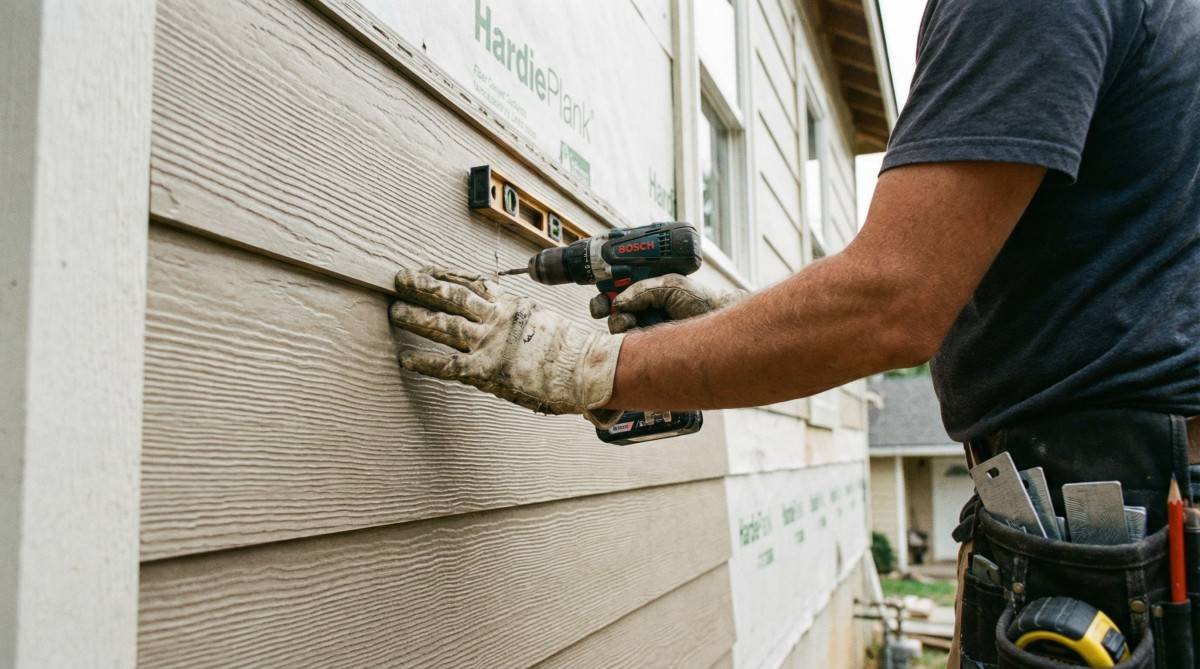
Next, establish a realistic budget that accounts for both material costs and installation expenses, as these can vary significantly between different siding types. Research various materials, comparing their durability, maintenance needs, and aesthetic options. Obtain samples to visualize how they will appear on the home. Finally, consult with experienced contractors to discuss feasibility, obtain quotes, and ensure professional installation, which is crucial for the siding’s performance and longevity.
Common Problems and Cost Considerations in Siding Material Selection
Common problems in siding material selection often stem from overlooking climate suitability, underestimating maintenance demands, or miscalculating long-term costs, leading to dissatisfaction and unexpected expenses for homeowners. Issues such as premature fading, warping, or susceptibility to pest damage can arise if the chosen material is not appropriate for the specific environmental conditions or homeowner lifestyle. Careful planning can mitigate these challenges effectively.
One frequent issue is selecting a material based solely on initial purchase price without considering the total cost of ownership, which includes installation, maintenance, and potential repairs over its lifespan. For example, inexpensive vinyl siding might seem appealing upfront, but if it’s not properly installed or is exposed to extreme weather, it could require early replacement. Conversely, a higher initial investment in fiber cement or brick can lead to lower long-term costs due to superior durability and minimal maintenance.
Another challenge involves aesthetic mismatches where the chosen siding clashes with the home’s architectural style or neighborhood character. This can negatively impact curb appeal and property value. Homeowners should also be aware of potential installation complexities; some materials require specialized tools and highly skilled labor, which can increase project costs and timelines. Thorough research and professional consultation are essential to avoid these pitfalls in siding material selection.
Long-Term Benefits and Maintenance Tips for Siding Materials
The long-term benefits of thoughtful siding material selection include enhanced property value, superior energy efficiency, and reduced maintenance burdens, contributing significantly to a home’s overall appeal and structural integrity over decades. A well-chosen and properly installed siding protects the underlying structure from moisture, pests, and extreme weather, ensuring a durable and resilient exterior. These advantages underscore the importance of initial careful consideration.
Proper maintenance is crucial for maximizing these long-term benefits and extending the lifespan of any siding material. Regular cleaning, typically with a soft brush and mild detergent, prevents the buildup of dirt, mold, and mildew, which can degrade the material over time. For painted sidings, periodic repainting or re-staining every few years protects the surface and refreshes its appearance, preventing cracking or peeling.
Inspecting siding annually for signs of damage, such as cracks, loose panels, or pest infestations, allows for timely repairs before minor issues escalate into major problems. Addressing small imperfections promptly can prevent water intrusion and structural damage. Adhering to manufacturer guidelines for specific materials, such as avoiding high-pressure washing on certain types, ensures the siding remains in optimal condition, preserving its protective qualities and aesthetic appeal for many years.
Frequently Asked Questions
Q1: What is the most durable siding material available for residential homes?
The most durable siding materials for residential homes are generally brick and stone, which can last over 100 years with minimal maintenance due to their inherent strength and resistance to weather, fire, and pests. Fiber cement siding also offers exceptional durability, often lasting 50 years or more, making it a robust choice for long-term protection and aesthetic appeal.
Q2: How does siding material selection impact a home’s energy efficiency?
Siding material selection significantly impacts a home’s energy efficiency by contributing to its insulation value and reducing heat transfer through the exterior walls. Materials with higher R-values, or those installed with an insulating layer, help maintain stable indoor temperatures, reducing the workload on HVAC systems and lowering energy consumption for heating and cooling.
Q3: What are the lowest maintenance siding options for homeowners?
The lowest maintenance siding options for homeowners typically include vinyl, fiber cement, and brick. Vinyl siding requires only occasional washing, while fiber cement needs painting every 10-15 years. Brick is exceptionally low maintenance, often requiring only periodic cleaning to maintain its appearance and structural integrity over many decades.
Q4: Can I install new siding over existing siding, and is it recommended?
Installing new siding over existing siding is possible, particularly with lightweight materials like vinyl, but it is generally not recommended as a best practice. This approach can conceal underlying structural issues, trap moisture, and may not provide the best long-term performance. Removing old siding allows for proper inspection and repair of the wall sheathing.
Q5: What is the average lifespan of different siding materials?
The average lifespan of siding materials varies significantly: vinyl siding typically lasts 20-40 years, wood siding 20-40 years (with proper maintenance), fiber cement 50+ years, and brick or stone can last 100 years or more. These estimates depend heavily on installation quality, climate conditions, and consistent maintenance practices.
Choosing the right siding material is a foundational decision that shapes a home’s character, resilience, and economic viability for years to come. The array of options available, each with unique attributes regarding durability, aesthetic appeal, and maintenance demands, necessitates a thorough and informed evaluation. By carefully considering factors such as climate, architectural style, and budget, homeowners can select a material that not only enhances their property’s curb appeal but also provides lasting protection and value. This strategic investment in a home’s exterior ultimately contributes to its long-term health and desirability.

Most Viewed