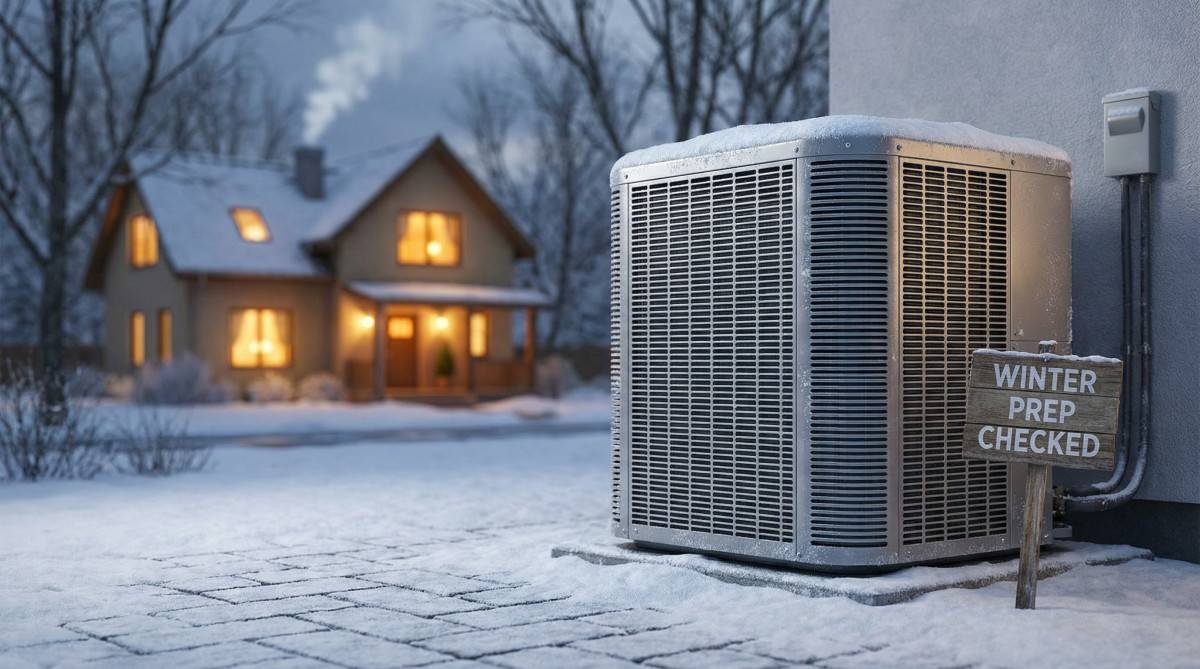

Winterizing your HVAC system is a crucial step for homeowners in colder climates to ensure efficient operation and prevent costly damage during freezing temperatures. Proper preparation involves a series of checks and maintenance tasks that safeguard components, enhance energy efficiency, and extend the lifespan of your heating and cooling infrastructure, ensuring comfort throughout the colder months.
Understanding the Importance of Winterizing Your HVAC System
Homeowners in regions experiencing cold winters must winterize their HVAC systems to protect against freezing temperatures and maintain optimal performance. This proactive approach prevents potential damage to outdoor units, pipes, and internal components, ensuring a reliable heating supply and reducing energy consumption throughout the colder season. It also extends the overall lifespan of the equipment. Neglecting winterization can lead to significant financial burdens, including emergency repairs and higher utility bills, making it a critical annual task for responsible property owners.
Protecting Against Freezing and Damage
One of the primary reasons to winterize an HVAC system is to safeguard it from the damaging effects of freezing temperatures. Water left in pipes or coils can expand when frozen, leading to cracks, leaks, and costly repairs that can run into thousands of dollars. Proper winterization ensures that all water lines are drained or adequately protected with antifreeze solutions, preventing structural damage to the unit and associated plumbing. This preventative measure is particularly vital for outdoor components that are directly exposed to harsh winter elements, such as the condenser coil and refrigerant lines. Without proper protection, these components are highly susceptible to freeze damage, which can render the entire system inoperable.
Enhancing Energy Efficiency
A well-maintained and winterized HVAC system operates more efficiently, translating into lower energy bills during the heating season. Tasks such as cleaning coils, replacing air filters, and sealing ductwork reduce the strain on the system, allowing it to heat the home more effectively with less energy consumption. Blocked vents or leaky ducts force the system to work harder, wasting energy and increasing operational costs. Optimizing these elements ensures that warm air is distributed efficiently throughout the living space, preventing cold spots and maintaining consistent indoor temperatures. This efficiency not only saves money but also reduces the carbon footprint of the household.
Extending System Lifespan
Regular winterization contributes significantly to the longevity of an HVAC system. By addressing minor issues before they escalate and protecting components from environmental damage, homeowners can extend the operational life of their units. This proactive maintenance reduces wear and tear, minimizes the frequency of major repairs, and preserves the overall investment in home heating and cooling infrastructure. A system that is cared for consistently will perform reliably for many years, delaying the need for costly replacements and ensuring a higher return on investment. This also helps maintain the property value by ensuring all essential systems are in top condition.
Step-by-Step Guide to Preparing Your Outdoor HVAC Unit
Preparing your outdoor HVAC unit for winter involves several key steps, including cleaning, disconnecting power, and covering the unit, which collectively protect it from harsh weather conditions and debris accumulation. These actions are vital for preventing corrosion, electrical issues, and physical damage that can compromise the unit’s functionality and lead to expensive repairs in the spring. Ensuring the unit is properly secured also deters pests and small animals from nesting within the components, which can cause further damage or blockages. Adhering to these steps ensures the unit remains in optimal condition for efficient operation when warmer weather returns.
Cleaning and Clearing Debris
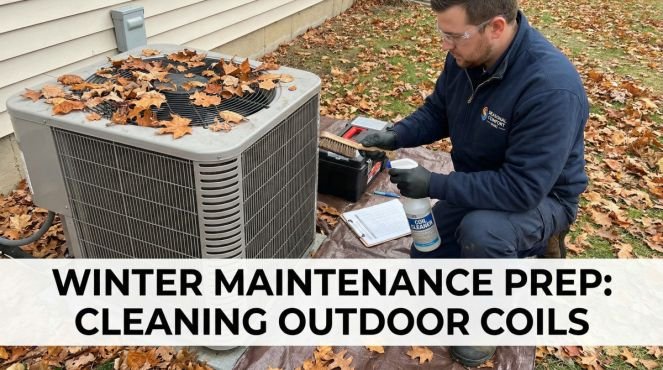
Before winter sets in, it is essential to thoroughly clean the outdoor HVAC unit. This involves removing any accumulated leaves, twigs, dirt, and other debris from around and within the unit’s condenser coils and fan blades. Blockages can impede airflow, causing the unit to work harder and leading to inefficient operation or even damage to internal components. Use a soft brush or a hose with low pressure to gently clean the coils and fins, ensuring they are free from obstructions. It is crucial to avoid using high-pressure washers, as they can bend delicate fins. Proper cleaning prevents corrosion, maintains optimal heat exchange capabilities, and ensures the unit is ready for efficient cooling when spring arrives.
Disconnecting Power Supply
For safety and to prevent accidental operation during winter, it is crucial to disconnect the power supply to the outdoor unit. Locate the outdoor disconnect switch, typically a small box mounted near the unit, and flip the switch to the off position. Additionally, it is advisable to turn off the corresponding circuit breaker in your home’s electrical panel, usually labeled for the air conditioner or heat pump. This dual disconnection prevents the unit from inadvertently turning on during a mild winter day, which could cause damage if the system is not fully prepared for operation, especially if refrigerant lines are not properly insulated or if the unit is covered. This step also protects technicians who might service the unit.
Covering the Outdoor Unit
Once the unit is clean and the power is disconnected, consider covering the outdoor AC unit. A breathable, waterproof cover, specifically designed for HVAC units, is ideal. This type of cover protects against snow, ice, and debris while allowing moisture to escape, preventing condensation and corrosion that can lead to rust and component failure. Avoid using plastic tarps or non-breathable materials that can trap moisture and create a conducive environment for mold and mildew, which can damage electrical components and coils. Secure the cover firmly with bungee cords or straps to prevent it from being blown away by strong winter winds, ensuring continuous protection throughout the season and extending the unit’s aesthetic and functional life.
Essential Indoor HVAC Winterization Tasks
Indoor HVAC winterization tasks, such as changing air filters, inspecting ductwork, and adjusting thermostat settings, are critical for maintaining indoor air quality and heating efficiency during colder months. These measures ensure that the heating system operates without obstruction, distributes warm air effectively, and prevents unnecessary energy waste, contributing to a comfortable and healthy indoor environment. Regular checks also identify minor issues before they escalate, preventing them from becoming major problems that could compromise system performance or safety. Addressing these indoor elements is just as important as outdoor unit preparation for a fully winterized system.
Replacing Air Filters
One of the simplest yet most effective indoor winterization tasks is regularly replacing your HVAC air filters. A clean filter is vital for maintaining good indoor air quality and ensuring efficient system operation. During winter, when the heating system is used more frequently, filters can become clogged quickly with dust, pet dander, and other airborne particles. A dirty filter restricts airflow, forcing the system to work harder and consume more energy, while also reducing heating effectiveness and potentially leading to system breakdowns. It is recommended to check filters monthly and replace them every one to three months, depending on usage and household conditions, such as the presence of pets or individuals with allergies. High-quality filters can also trap smaller particles, further improving indoor air quality.
InspectING and Sealing Ductwork
Ductwork is the circulatory system of your HVAC, distributing heated air throughout your home. Leaks or gaps in ductwork can lead to significant heat loss, making your system less efficient and increasing energy bills. Inspect accessible ductwork for any visible signs of damage, such as gaps, cracks, or disconnections, particularly in attics, crawl spaces, and basements. Minor leaks can often be sealed with mastic sealant or metallic foil tape, which are more effective and durable than standard duct tape. For more extensive issues, professional ductwork inspection and sealing services can ensure that warm air reaches its intended destinations without unnecessary loss, optimizing heating performance and reducing energy waste by up to 20-30%.
Optimizing Thermostat Settings
Proper thermostat management is key to both comfort and energy savings during winter. Programming your thermostat to reflect your daily schedule can significantly reduce energy consumption. For instance, setting the temperature lower when you are away from home or asleep, and raising it to a comfortable level when you are present, can lead to substantial savings. Smart thermostats offer advanced features, such as learning your preferences and adjusting automatically, further enhancing efficiency and convenience. Many models can be controlled remotely via smartphone apps, allowing for adjustments even when you are not home. A common recommendation is to set the thermostat to around 68°F (20°C) when home and lower it by 7-10°F (4-6°C) when away or sleeping, which can result in savings of up to 10% on heating costs annually.
Professional HVAC Maintenance and Inspections
Professional HVAC maintenance and inspections are indispensable for thorough winterization, as certified technicians can identify and address complex issues beyond a homeowner’s scope, ensuring system safety and compliance. These services include detailed checks of electrical components, refrigerant levels, and furnace operations, which are crucial for preventing breakdowns and optimizing performance. Expert intervention guarantees all parts function correctly, providing peace of mind and ensuring the system operates safely and efficiently throughout the winter. This professional oversight can also validate manufacturer warranties and identify potential hazards before they become critical.
Benefits of Professional Tune-Ups
Engaging a professional HVAC technician for a winter tune-up offers numerous benefits that extend beyond what a homeowner can typically achieve. Experts possess specialized tools and knowledge to perform in-depth diagnostics, identify potential problems before they become critical, and ensure all components are operating at peak efficiency. This proactive approach can prevent unexpected breakdowns during the coldest months, improve system reliability, and often leads to significant savings on energy bills and future repair costs by optimizing system performance. A professional tune-up also ensures adherence to manufacturer warranties, which often require regular professional servicing to remain valid. This investment in professional care safeguards your home and your wallet.
What a Professional Inspection Includes
A comprehensive professional HVAC inspection for winterization typically involves a multi-point check of the entire system. This includes examining the furnace for proper operation, cleaning and inspecting the heat exchanger for cracks that could lead to carbon monoxide leaks, checking electrical connections for safety and wear, and verifying refrigerant levels in heat pump systems. Technicians will also inspect the thermostat calibration, lubricate moving parts, and ensure all safety controls are functioning correctly, such as limit switches and flame sensors. They can also offer advice on improving indoor air quality and overall system performance, providing peace of mind that your HVAC system is fully prepared for winter and operating at its safest and most efficient capacity. This thorough examination can uncover hidden issues that might otherwise go unnoticed until a critical failure occurs.
FAQ Section
What is the best time to winterize an HVAC system?
Ideally, HVAC systems should be winterized in early autumn, before consistently cold temperatures arrive. This timing allows for thorough preparation and addresses any potential issues before the heating system is heavily relied upon, preventing unexpected breakdowns and ensuring readiness for the winter season.
Should I cover my outdoor AC unit in winter?
Yes, covering your outdoor AC unit in winter is generally recommended to protect it from accumulating debris, ice, and snow, which can cause damage. Use a breathable, waterproof cover that allows for proper ventilation to prevent moisture buildup and corrosion, ensuring the unit remains in good condition.
How often should I change my HVAC filter during winter?
During winter, when your heating system is in constant use, it is advisable to check your HVAC filter monthly and replace it every one to three months. A clean filter ensures optimal airflow, improves indoor air quality, and reduces the strain on your system, leading to better efficiency.
Can I winterize my HVAC system myself, or do I need a professional?
Many basic winterization tasks, such as cleaning the outdoor unit and changing filters, can be performed by homeowners. However, for comprehensive inspections, furnace checks, and complex adjustments, it is highly recommended to hire a professional HVAC technician to ensure safety and optimal system performance.
What temperature should I set my thermostat to in winter to save energy?
To save energy in winter, set your thermostat to around 68°F (20°C) when you are home and lower it by 7-10°F (4-6°C) when you are away or asleep. This strategy reduces heating demand without significantly compromising comfort, leading to noticeable energy bill savings.
Conclusion
Properly winterizing your HVAC system is an investment in your home’s comfort, safety, and energy efficiency. By following a comprehensive approach that includes both DIY tasks and professional maintenance, homeowners can safeguard their heating and cooling infrastructure against the rigors of winter. These preventative measures not only avert costly repairs but also ensure a reliable and efficient system throughout the coldest months, contributing to a more comfortable and economical living environment.

Most Viewed