
Introduction
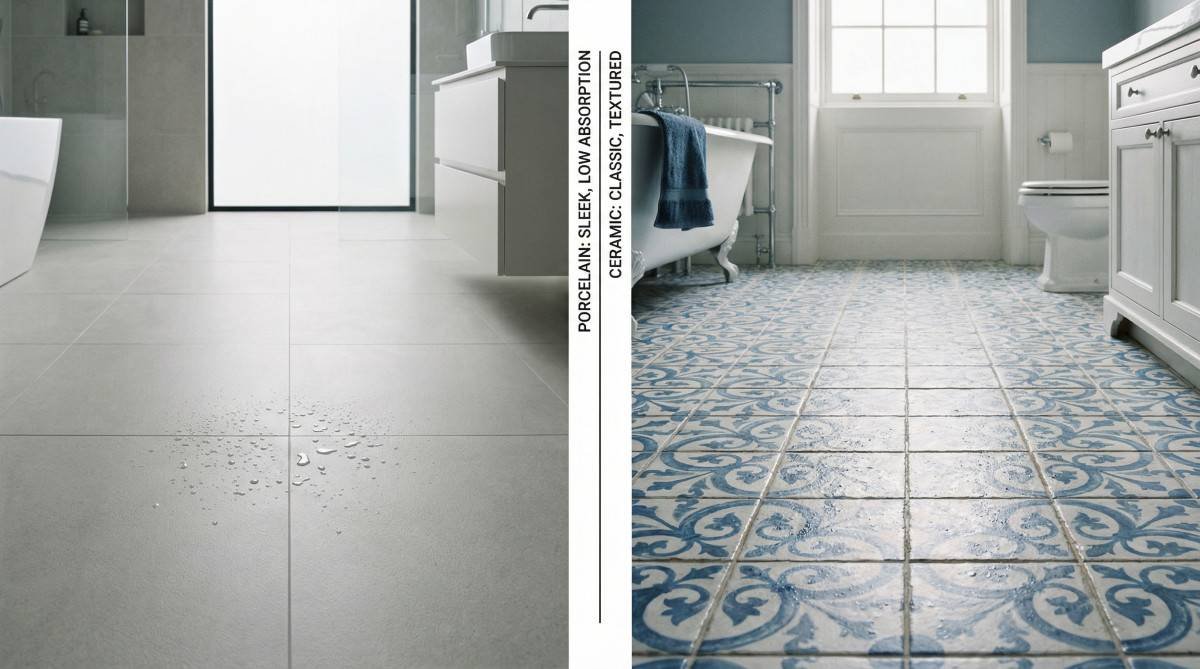
Porcelain tiles are fundamentally denser and less porous than ceramic tiles, making them inherently more resistant to water absorption and better suited for high-moisture environments like bathroom floors. This distinction arises from their differing compositions and firing temperatures during manufacturing. Understanding these core differences is crucial for homeowners selecting the most appropriate flooring material for their specific needs and preferences.
Understanding Ceramic Tile
Ceramic tile is a popular flooring option, primarily composed of natural clays, sand, and water, fired at lower temperatures than porcelain. This results in a softer, more porous material that is easier to cut and install, making it a budget-friendly choice for many home improvement projects due to its affordability and wide array of designs.
What is Ceramic Tile?
Ceramic tile is a popular flooring option composed primarily of natural clays, sand, and water, shaped and then fired at relatively lower temperatures than porcelain. This manufacturing process results in a softer, more porous material that is easier to cut and install, making it a favored choice for many home improvement projects. Its composition allows for a wide array of designs and colors, providing aesthetic versatility for various interior styles.
Advantages of Ceramic Tile
Ceramic tiles offer significant benefits, particularly their affordability, which makes them an accessible option for budget-conscious homeowners seeking quality flooring. Their softer composition simplifies cutting and installation, reducing labor costs and making them suitable for DIY enthusiasts. Ceramic tiles come in an extensive range of colors, patterns, and sizes, providing immense design flexibility to match any bathroom aesthetic.
Disadvantages of Ceramic Tile
Despite their advantages, ceramic tiles have notable drawbacks, primarily their higher porosity and softer nature compared to porcelain. This makes them more susceptible to water absorption, chipping, and cracking, especially in high-traffic or consistently wet areas like bathroom floors. Unsealed ceramic tiles can absorb moisture, potentially leading to mold or mildew issues in humid bathroom environments, necessitating careful sealing and maintenance.
Exploring Porcelain Tile
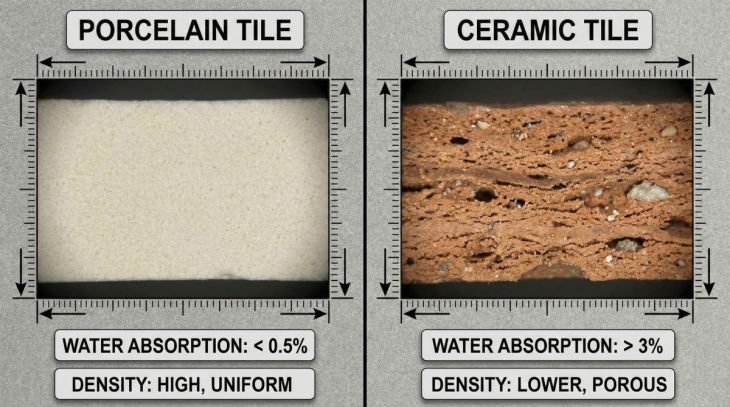
Porcelain tile is a highly durable and dense flooring material, made from refined clay, feldspar, and other minerals, fired at extremely high temperatures. This process removes almost all moisture, resulting in a tile with exceptionally low porosity and superior hardness, making it highly resistant to water, stains, and wear for demanding bathroom floor applications.
What is Porcelain Tile?
Porcelain tile is a highly durable and dense flooring material made from refined clay, feldspar, and other minerals, fired at extremely high temperatures. This intense manufacturing process removes almost all moisture, resulting in a tile with exceptionally low porosity and superior hardness. Its robust composition makes it highly resistant to water, stains, and wear, positioning it as an ideal choice for demanding applications such as bathroom floors.
Advantages of Porcelain Tile
Porcelain tiles are renowned for their exceptional durability and resistance to wear, making them ideal for high-traffic bathroom areas where longevity is paramount. Their extremely low water absorption rate provides superior protection against moisture, preventing water damage and inhibiting mold growth in humid conditions. Additionally, porcelain tiles offer extensive design versatility, capable of mimicking natural stone, wood, or concrete with remarkable realism.
Disadvantages of Porcelain Tile
While highly advantageous, porcelain tiles present certain challenges, including a higher material cost compared to ceramic, which can impact overall project budgets. Their extreme hardness and density make them more difficult to cut and install, often requiring specialized tools and professional expertise, potentially increasing installation expenses. The low porosity of porcelain necessitates specific thinset adhesives with higher latex content for proper bonding.
Direct Comparison: Porcelain vs. Ceramic for Bathroom Floors
For bathroom floors, porcelain tiles generally outperform ceramic in terms of water resistance and durability due to their denser composition and lower porosity, making them ideal for high-moisture environments. Ceramic tiles, while more budget-friendly and easier to install, are better suited for areas with less direct water exposure and lighter foot traffic, offering a wider range of aesthetic options.
| Feature | Porcelain Tile | Ceramic Tile |
|---|---|---|
| Composition | Refined clays, feldspar, fired at high temps | Natural clays, sand, water, fired at lower temps |
| Density | High | Moderate |
| Porosity | Very low (water absorption < 0.5%) | Higher (water absorption > 0.5%) |
| Water Resist. | Excellent, highly resistant | Good (when glazed), less resistant (unglazed) |
| Durability | Excellent, highly resistant to chips/cracks | Good, more prone to chips/cracks |
| Hardness | Very hard, difficult to cut | Softer, easier to cut |
| Cost | Higher | Lower |
| Installation | More challenging, requires specialized tools | Easier, suitable for DIY |
| Maintenance | Low, easy to clean, stain-resistant | Moderate, requires sealing for unglazed |
| Best Use | High-traffic, wet areas (bathroom floors, showers) | Low-to-moderate traffic, dry areas |
Factors to Consider When Choosing
When selecting between porcelain and ceramic tiles for bathroom floors, key factors include moisture exposure, foot traffic, and budget. Porcelain offers superior water resistance and durability at a higher cost, while ceramic provides budget-friendly, easier-to-install options for less demanding areas. Aesthetic preferences and slip resistance are also crucial for functionality and design appeal.
Slip Resistance and Safety
Ensuring safety in a bathroom environment is paramount, and the slip resistance of flooring material directly impacts this. Porcelain tiles, especially those with textured or matte finishes, often provide better traction when wet, a critical factor for bathroom floors. Ceramic tiles can also be slip-resistant, particularly those with a glazed, textured surface, but smooth, highly polished options in both materials can become hazardous when wet, requiring careful consideration of the finish. Always check the Coefficient of Friction (COF) rating for optimal safety.
Design Versatility and Aesthetics
Both porcelain and ceramic tiles offer extensive design possibilities, allowing homeowners to achieve a wide range of aesthetic visions for their bathrooms. Porcelain tiles excel at mimicking natural materials like wood, marble, or stone with remarkable realism due to advanced printing technologies, providing sophisticated and cohesive design options. Ceramic tiles, while also versatile in color and pattern, often feature a more traditional appearance, offering vibrant hues and classic designs that can complement various interior styles.
Repair and Maintenance
Maintaining the pristine condition of bathroom flooring involves understanding the repair and maintenance requirements of each tile type. Porcelain tiles are generally easier to maintain due to their low porosity and stain resistance, requiring only regular cleaning with mild detergents. Ceramic tiles, particularly unglazed varieties, may require more frequent sealing to prevent moisture absorption and staining. Repairing chipped or cracked tiles can be more challenging for porcelain due to its hardness, often necessitating professional intervention, whereas ceramic tiles are comparatively easier to replace.
FAQ Section
Is porcelain tile better than ceramic for a bathroom floor?
For bathroom floors, porcelain tile is generally considered superior due to its significantly lower water absorption rate and higher durability, making it more resistant to moisture damage, stains, and wear in humid environments. Its dense composition provides enhanced longevity and reduced maintenance compared to ceramic, which is more porous and softer.
What is the main difference between porcelain and ceramic tile?
The primary distinction lies in their composition and manufacturing process: porcelain tiles are made from more refined clays and fired at higher temperatures, resulting in a denser, less porous material with a water absorption rate below 0.5%. Ceramic tiles, made from coarser clays and fired at lower temperatures, are softer and more porous, with a higher water absorption rate.
Which is more durable porcelain or ceramic tile?
Porcelain tile is considerably more durable than ceramic tile. Its dense, hard composition makes it highly resistant to chipping, cracking, and heavy foot traffic, ensuring a longer lifespan in demanding areas. Ceramic tile, being softer, is more prone to damage from impacts and wear over time.
Is porcelain tile slippery when wet?
Like many smooth surfaces, polished porcelain tile can be slippery when wet. However, manufacturers offer a wide range of porcelain tiles with textured, matte, or anti-slip finishes specifically designed to enhance traction and reduce slipperiness, making them safer for bathroom applications. Always choose a finish appropriate for wet areas.
What is the cost difference between porcelain and ceramic tile?
Generally, porcelain tile is more expensive than ceramic tile due to its more refined materials and energy-intensive manufacturing process, which contributes to its superior durability and water resistance. Ceramic tile offers a more budget-friendly option, with a wider range of price points, making it accessible for various project budgets.
Conclusion
Choosing between porcelain and ceramic tile for a bathroom floor involves weighing several critical factors, including durability, water resistance, cost, and aesthetic preferences. Porcelain tile stands out for its exceptional resilience and minimal water absorption, making it an ideal choice for high-moisture, high-traffic bathroom environments. Ceramic tile, while more affordable and easier to install, offers versatility in design for areas with lighter use. Ultimately, the best selection depends on the specific demands of the bathroom, the homeowner’s budget, and desired long-term performance. Careful consideration of these differences ensures a functional and aesthetically pleasing bathroom floor that will endure for years.

Most Viewed