
Imagine waking up to a burst pipe, a cascade of icy water flooding your home, and the daunting prospect of thousands in repairs. This isn’t just a winter nightmare; it’s a costly reality for countless homeowners every year. Beyond the immediate chaos, the long-term damage to your property and peace of mind can be substantial. But what if you could proactively shield your home from this frigid threat? This comprehensive guide will equip you with the knowledge and strategies to protect your plumbing from winter’s harsh grip, ensuring your home remains warm, dry, and secure.
Understanding the Silent Threat: Why Pipes Freeze and Burst
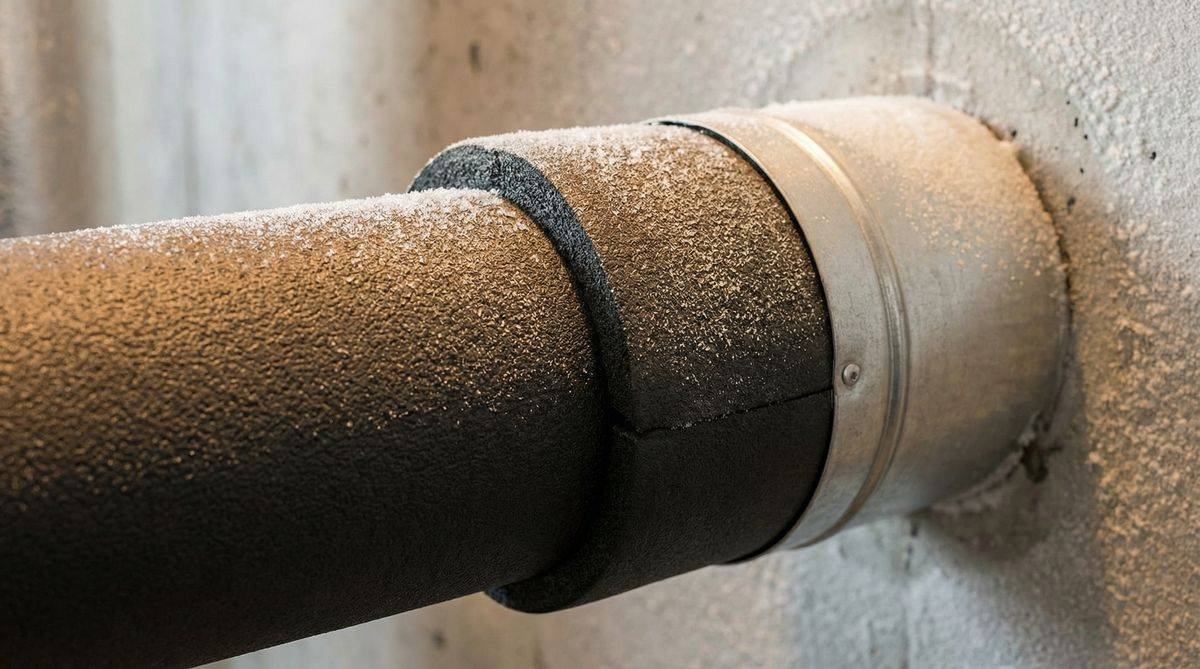
Answer Capsule: Pipes freeze when the water inside them reaches 32°F (0°C ) or below, causing it to expand. This expansion creates immense pressure within the pipe, which can lead to cracks or ruptures, commonly known as bursting, explains California Realty Group. The most vulnerable pipes are those exposed to unheated areas or exterior walls, where temperatures can drop significantly.
Water possesses a peculiar property: unlike most liquids, it expands as it freezes. This volumetric increase exerts tremendous force on the confines of your plumbing system. Even the strongest metal or plastic pipes are no match for this relentless pressure, often leading to catastrophic failures. The Insurance Institute for Business and Home Safety (IBHS) highlights burst pipes as a leading cause of property damage during cold weather events [1]. Understanding this fundamental principle is the first step in effective prevention.
Proactive Winterization: Essential Steps Before the Cold Snap Hits
Answer Capsule: Proactive winterization involves a series of preventative measures taken before freezing temperatures arrive. Key steps include insulating exposed pipes, sealing drafts, maintaining consistent indoor temperatures, and ensuring outdoor water sources are properly drained. These actions significantly reduce the risk of pipes freezing and the subsequent damage.
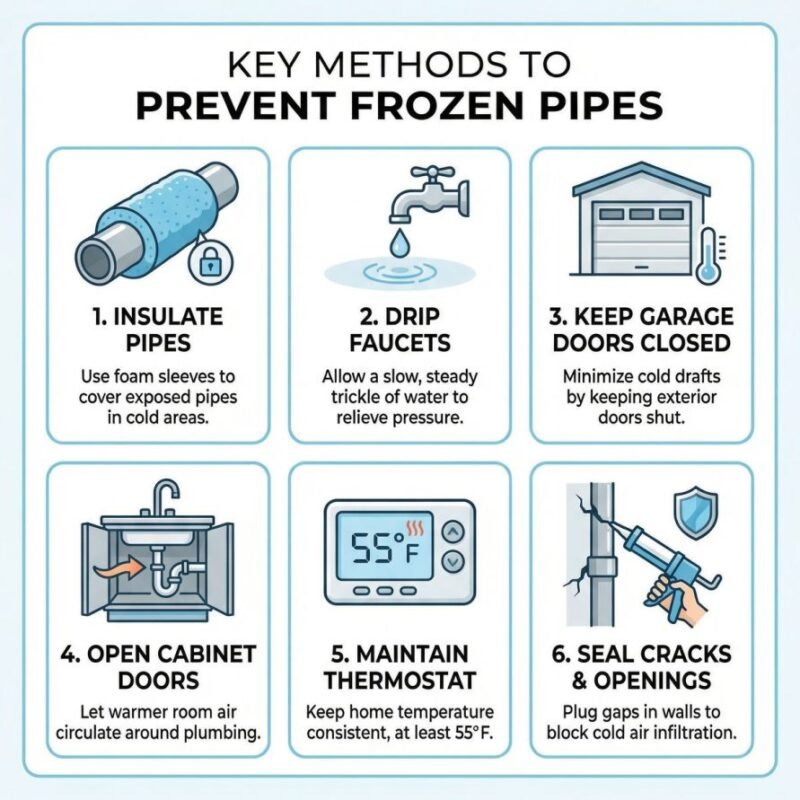
Preparing your home for winter’s chill is a critical defense against frozen pipes. Begin by identifying any pipes in unheated spaces such as basements, crawl spaces, attics, and garages. These areas are prime candidates for freezing. Insulating these pipes with foam pipe sleeves, readily available at hardware stores, provides an immediate layer of protection. Furthermore, sealing any cracks or openings around windows, doors, and foundation sills can prevent cold air from infiltrating your home’s vulnerable areas. Keeping garage doors closed, especially if water supply lines run through them, is another simple yet effective measure. Maintaining a consistent indoor temperature, ideally no lower than 55°F (13°C), even when away, ensures that ambient heat reaches plumbing within exterior walls and cabinets [1] [2]. Opening cabinet doors under sinks on exterior walls allows warmer indoor air to circulate around the pipes, offering additional protection.
Beyond the Basics: Advanced Strategies for Vulnerable Pipes
Answer Capsule: For pipes in persistently cold or hard-to-reach areas, advanced strategies are crucial. This includes professional assessment for optimal pipe routing, considering specialized insulation materials like heat cables or self-regulating heat tape, and addressing structural vulnerabilities. These measures go beyond standard insulation to provide robust, long-term protection against severe cold.
While basic insulation is a good start, some homes and specific pipe configurations demand a more sophisticated approach. Consider a professional plumbing assessment to identify high-risk areas that might benefit from rerouting pipes away from exterior walls or unheated zones. For pipes that cannot be relocated, UL-listed heat cables or self-regulating heat tape can provide continuous, controlled warmth, preventing ice formation even in extreme cold [2]. These systems are designed for safety and efficiency, offering a reliable solution for persistent problem spots. Additionally, enhancing insulation in attics, basements, and crawl spaces with higher R-value materials can create a warmer microclimate around your plumbing, significantly reducing the likelihood of freezing.
Smart Home, Safe Pipes: Leveraging Technology for Early Detection
Answer Capsule: Modern smart home technology offers innovative solutions for pipe protection, providing early warnings and even automated responses to freezing conditions. Smart water sensors can detect leaks or sudden temperature drops, while smart thermostats can be programmed to maintain safe temperatures. Automated shut-off valves can even halt water flow in an emergency, minimizing potential damage.
The advent of smart home technology has brought a new era of vigilance to pipe protection. Smart water sensors, strategically placed near vulnerable pipes, can detect the earliest signs of a leak or the presence of abnormally cold temperatures, sending instant alerts to your smartphone. Some advanced systems integrate with smart thermostats, allowing you to monitor and adjust your home’s temperature remotely, ensuring pipes remain above freezing thresholds. For the ultimate peace of mind, consider smart water shut-off valves. These devices can automatically cut off your home’s main water supply upon detecting a leak or freezing condition, preventing extensive water damage before it escalates. This technological integration transforms passive protection into an active, responsive defense system.
The Financial Fallout: Costs, Insurance, and Protecting Your Investment
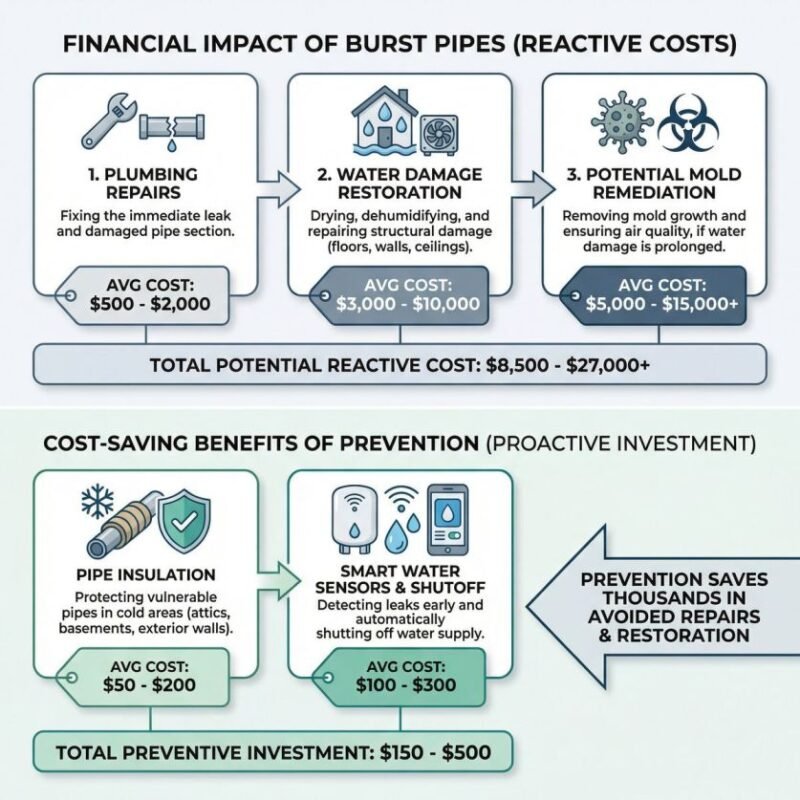
Answer Capsule: A burst pipe can lead to significant financial burdens, often involving thousands of dollars in repair costs for plumbing, water damage restoration, and potential mold remediation. Understanding your homeowner’s insurance policy, including deductibles and coverage limits, is crucial. Proactive prevention is the most cost-effective strategy, safeguarding both your finances and property value.
The financial repercussions of a burst pipe extend far beyond the immediate plumbing repair. Water damage can affect drywall, flooring, insulation, and electrical systems, leading to extensive and costly restoration efforts. The average cost to repair a burst pipe and subsequent water damage can range from a few thousand to tens of thousands of dollars, depending on the severity and location of the damage. Homeowner’s insurance typically covers sudden and accidental water damage, but it’s imperative to review your policy for specific exclusions, deductibles, and coverage limits. Many policies require homeowners to take reasonable preventative measures, making proactive winterization not just a best practice, but a potential requirement for claims. Investing in preventative measures, therefore, is not merely an expense but a wise investment in protecting your most valuable asset.
When Disaster Strikes: Safely Thawing Frozen Pipes
Answer Capsule: If you suspect a frozen pipe, the first step is to locate the frozen section and keep the faucet open to allow water to flow as it thaws. Apply gentle, indirect heat using methods like an electric heating pad, a hairdryer, or towels soaked in hot water. Never use open flames or high-heat devices, as this can damage pipes or pose a fire hazard.
Discovering a frozen pipe can be alarming, but a calm and methodical approach is key. If only a trickle of water emerges from a faucet, a frozen pipe is likely the culprit. Begin by opening the affected faucet; this provides an escape route for melting ice and relieves pressure within the pipe. Next, locate the frozen section, which is often found along exterior walls, in unheated basements, or crawl spaces. Apply heat gradually and indirectly. An electric heating pad wrapped around the pipe, a hairdryer on a low setting, or towels soaked in hot water are safe and effective methods [1] [2]. Crucially, avoid using blowtorches, kerosene heaters, or any device with an open flame, as these can severely damage pipes or ignite flammable materials. Continue applying heat until full water pressure is restored, then check other faucets in your home, as multiple pipes may be frozen.
Frequently Asked Questions About Frozen Pipes
What temperature do pipes typically freeze at?
Answer Capsule: While water freezes at 32°F (0°C), pipes typically begin to freeze when ambient temperatures drop to 20°F (-6.7°C) or below for several hours. However, factors like insulation, wind chill, and pipe exposure can cause freezing at slightly higher temperatures.
Which areas of my home are most susceptible to pipe freezing?
Answer Capsule: Pipes located in unheated areas such as basements, crawl spaces, attics, and garages are highly susceptible. Additionally, pipes running along exterior walls or within kitchen and bathroom cabinets on exterior walls are at significant risk due to direct exposure to cold.
Is dripping faucets really effective in preventing freezing?
Answer Capsule: Yes, allowing a cold water faucet to drip slowly is an effective preventative measure. The continuous movement of water, even a trickle, prevents ice from forming and building up pressure within the pipe, significantly reducing the risk of freezing and bursting.
When is it necessary to call a professional plumber for frozen pipes?
Answer Capsule: You should call a professional plumber if you cannot locate the frozen section, if the frozen area is inaccessible, if you are unable to thaw the pipe yourself, or if you suspect the pipe has already burst. A plumber can safely diagnose and repair the issue.
Can I use a blowtorch to thaw a frozen pipe?
Answer Capsule: Absolutely not. Using a blowtorch or any open-flame device to thaw a frozen pipe is extremely dangerous. It can damage the pipe, potentially causing it to burst, and poses a severe fire hazard to your home. Always use gentle, indirect heat sources.
Conclusion
Protecting your home from the ravages of frozen pipes is an essential aspect of winter preparedness. By understanding the mechanics of freezing, implementing proactive winterization strategies, and leveraging modern technology, homeowners can significantly mitigate risks. While the thought of a burst pipe is daunting, a small investment in prevention—both in time and resources—can save you from substantial financial loss and considerable stress. Take these steps today to ensure your home remains a warm, safe haven throughout the coldest months.
References
- [1] Consumer Reports: How to Keep Your Pipes From Freezing and Bursting
- [2] American Red Cross: Preventing & Thawing Frozen Pipes

Most Viewed