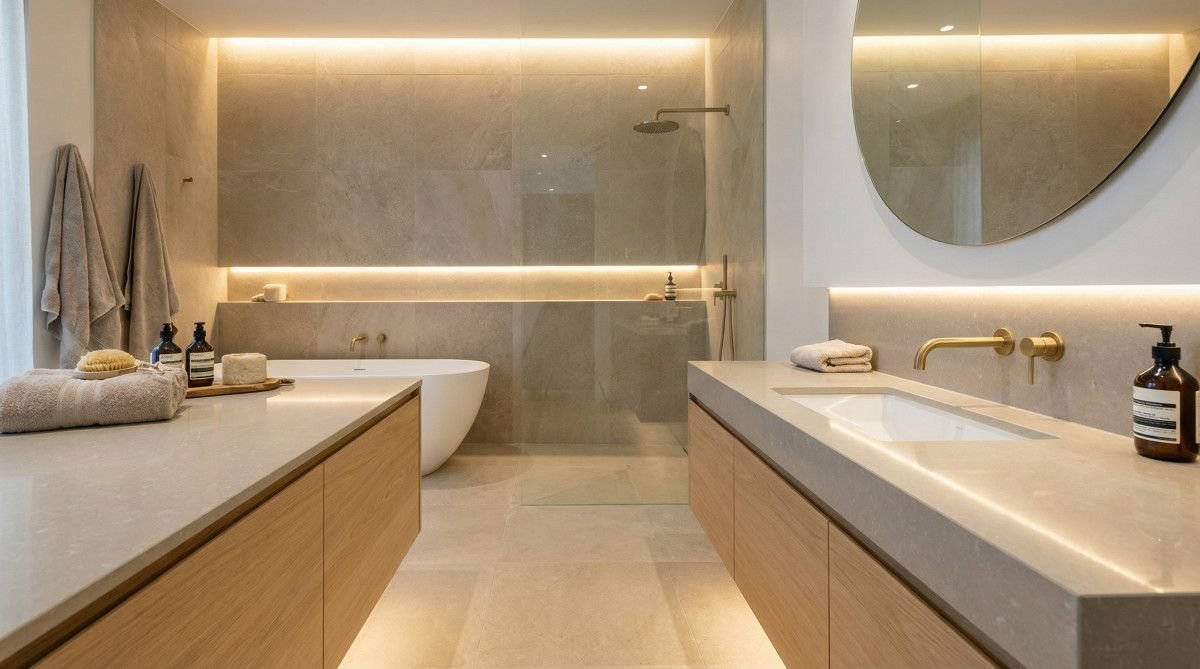

For a bathroom vanity, the easiest materials to clean are typically non-porous, smooth, and resistant to stains, moisture, and microbial growth, ensuring minimal effort for daily upkeep and long-term hygiene. Engineered quartz, solid surface materials, and vitreous china are prime examples that offer these essential characteristics for a low-maintenance bathroom environment.
Understanding Easy-Clean Vanity Materials
When selecting a bathroom vanity, the material choice significantly impacts its ease of cleaning and overall maintenance. Non-porous surfaces are paramount as they prevent liquids from penetrating, thereby resisting stains, bacterial growth, and mildew. Smooth finishes further contribute to effortless cleaning by eliminating crevices where dirt and grime can accumulate, making daily wipe-downs highly effective. Materials that are also resistant to common bathroom chemicals and abrasions will maintain their pristine appearance longer, reducing the need for harsh cleaning agents or frequent deep cleaning.
Quartz: The Non-Porous Champion
Engineered quartz is widely regarded as one of the easiest materials to clean for bathroom vanities due to its non-porous nature. This characteristic makes it highly resistant to stains from common bathroom products like toothpaste, makeup, and hair dye, as well as preventing the absorption of moisture that can lead to mold and mildew. Its uniform surface does not require sealing, simplifying maintenance to a simple wipe-down with mild soap and water. Quartz also offers exceptional durability against scratches and impacts, ensuring its smooth, easy-to-clean surface remains intact over time.
Solid Surface: Seamless Hygiene
Solid surface materials, such as Corian, are composed of acrylic or polyester resins and natural minerals, resulting in a homogeneous, non-porous surface. A key advantage of solid surface is its ability to be seamlessly integrated with sinks and backsplashes, eliminating grout lines and seams where dirt and bacteria typically collect. This seamless design creates an exceptionally hygienic and easy-to-clean vanity top. Minor scratches or damage can often be buffed out, restoring the surface to its original smooth finish, further contributing to its low-maintenance appeal.
Vitreous China: Classic and Resilient
Vitreous china, commonly used for sinks and sometimes integrated vanity tops, is a ceramic material coated with a glass-like enamel finish. This glaze makes the surface extremely smooth, non-porous, and highly resistant to stains, scratches, and chemical damage. Its inherent resistance to microbial growth makes it a hygienic choice for bathroom environments. Cleaning vitreous china is straightforward, typically requiring only a quick wipe with a damp cloth and mild cleaner to maintain its glossy, pristine appearance. Its durability ensures it withstands daily use without showing wear easily.
Laminate: Affordable and Practical
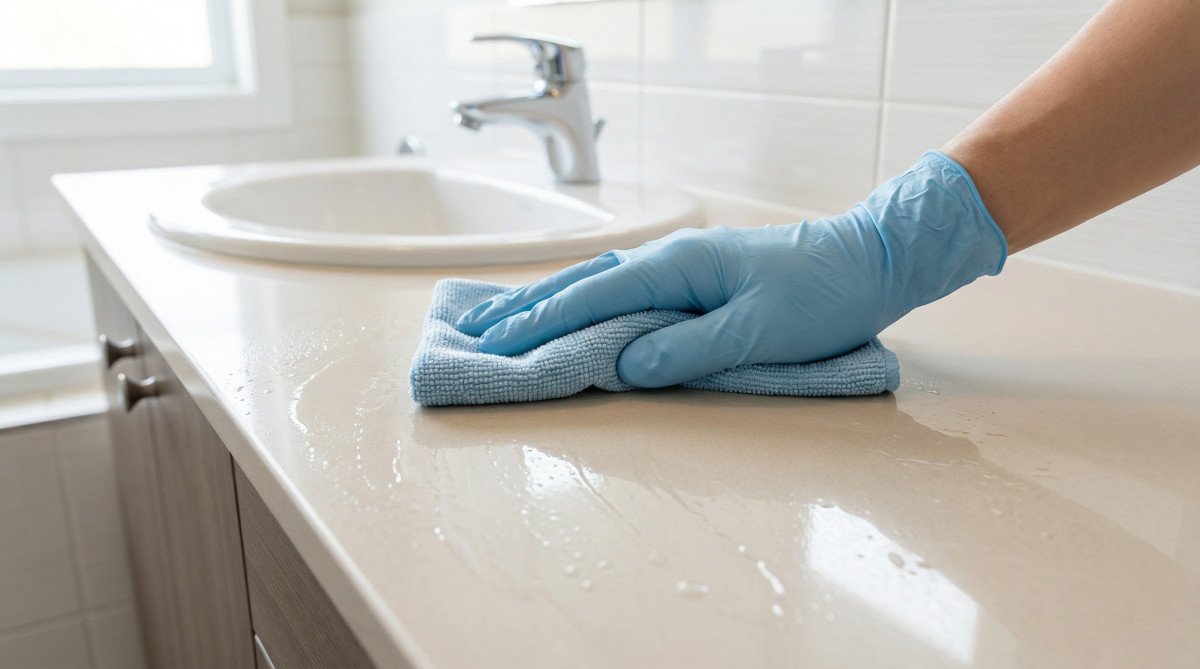
Laminate vanity tops consist of a particleboard or MDF core covered with a decorative layer of plastic laminate. Modern laminates are designed to be highly resistant to moisture, stains, and scratches, making them a practical and budget-friendly option for easy-to-clean vanities. Their smooth, non-porous surface can be easily wiped clean with a damp cloth and mild detergent. While not as durable as quartz or solid surface against extreme heat or deep cuts, quality laminates offer excellent performance for everyday bathroom use and are available in a wide array of colors and patterns.
Stainless Steel: Modern and Hygienic
Stainless steel offers a sleek, modern aesthetic and is an exceptionally hygienic material for bathroom vanities. Its non-porous surface is inherently resistant to bacteria, mold, and mildew, making it very easy to clean and sanitize. Stainless steel is also highly durable, resisting corrosion, heat, and impact. While it can show fingerprints and water spots, these are easily removed with appropriate stainless steel cleaners, restoring its lustrous finish. Its industrial look is particularly suited for contemporary bathroom designs.
Materials to Approach with Caution
While aesthetically pleasing, some materials require more diligent maintenance to remain clean and hygienic in a bathroom environment. Natural stones like marble and granite, though beautiful, are porous and require regular sealing to prevent staining and bacterial absorption. Without proper sealing, these materials can absorb liquids, leading to discoloration and making them harder to clean. Wood, especially unsealed or improperly treated wood, is highly susceptible to moisture damage, warping, and mold growth, making it a challenging material for easy-clean vanities. These materials are not inherently difficult to clean, but their maintenance requirements are significantly higher.
FAQ: Frequently Asked Questions
Q: Is granite a good choice for an easy-to-clean bathroom vanity?
A: Granite can be a good choice if properly sealed. As a natural stone, it is porous and requires regular sealing to prevent stains and bacterial growth. Once sealed, it becomes more resistant to moisture and easier to clean with mild soap and water.
Q: How often should I clean my bathroom vanity?
A: For optimal hygiene and appearance, bathroom vanities should be wiped down daily or every other day with a mild cleaner. A deeper clean, depending on the material, can be performed weekly to address any accumulated grime or specific stains.
Q: Can I use abrasive cleaners on all vanity materials?
A: No, abrasive cleaners should be avoided on most vanity materials, especially on engineered quartz, solid surface, and vitreous china, as they can scratch or dull the finish. Always use mild, non-abrasive cleaners and soft cloths to protect the surface.
Q: What are the best cleaning products for non-porous vanity surfaces?
A: For non-porous surfaces like quartz, solid surface, and vitreous china, a simple solution of warm water and mild dish soap is highly effective. For tougher spots, a diluted vinegar solution or a specialized non-abrasive bathroom cleaner can be used.
Q: Do integrated sinks make a vanity easier to clean?
A: Yes, integrated sinks significantly enhance the ease of cleaning. By eliminating seams and edges between the sink and countertop, they prevent the accumulation of dirt, grime, and mildew, making wipe-downs much more efficient and hygienic.
Conclusion: Choosing for Cleanliness
Selecting the right material for a bathroom vanity is crucial for maintaining a clean and hygienic bathroom environment with minimal effort. Non-porous options like engineered quartz, solid surface, and vitreous china stand out as superior choices due to their inherent resistance to stains, moisture, and microbial growth. While materials such as laminate and stainless steel offer practical and modern alternatives, natural stones like granite and marble require more dedicated maintenance. Prioritizing materials that are smooth, durable, and easy to wipe down will ensure your bathroom vanity remains pristine and functional for years to come, contributing to a healthier and more aesthetically pleasing home.

Most Viewed