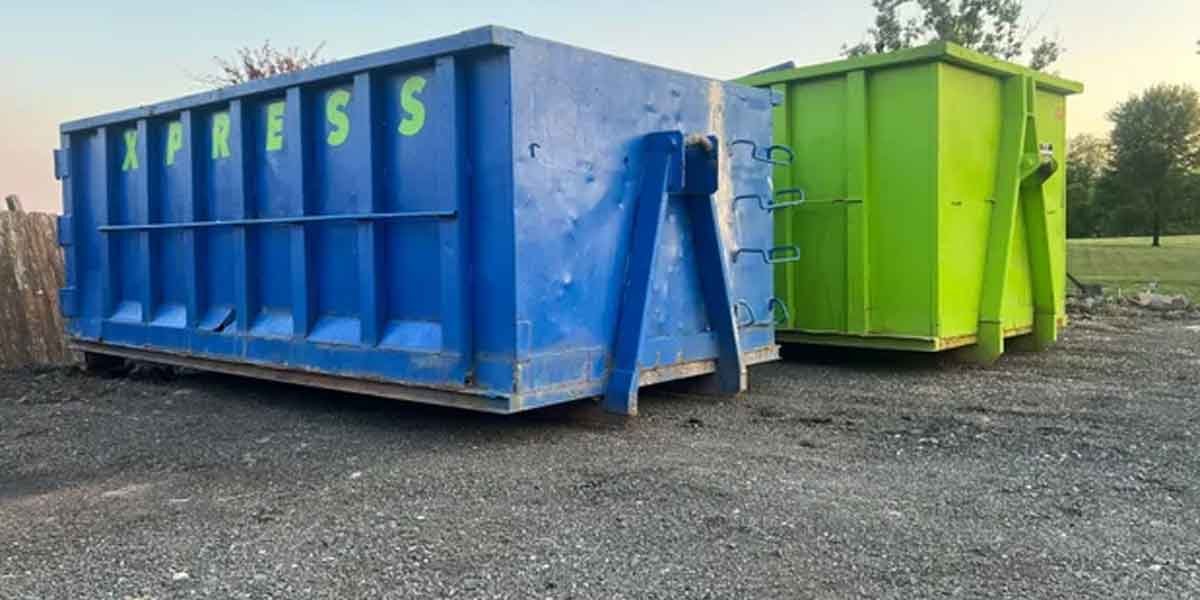

Construction projects depend on thorough planning for material selection and timeline management. A dumpster rental for construction allows crews to manage waste, prevent site crowding, and align with local waste regulations. Here are tips for selecting the right construction dumpster rental for large projects:
Table of Contents
ToggleEvaluate Project Scope and Range
Estimate how much debris your project can generate. Assess bulky materials such as concrete and less-dense waste, and determine where they will be staged on site. Evaluating the types and quantities of materials helps you determine the size and type of dumpster rental needed to accommodate all your waste. It allows you to maximize a rental’s efficiency based on the type of debris to be disposed of. Residential cleaning jobs typically require 10- or 15-yard dumpsters for light trash and bulky household items like furniture. Concrete and heavy construction debris benefit from 30-yard containers.
Understand Weight Capacity
Dumpster rentals may include a specific weight limit. Figure the cumulative weight of materials like concrete, roofing debris, dirt, and other dense heavy waste. You can calculate tonnage by multiplying cubic yards by the published material density factor to determine whether your project may reach or exceed the dumpster’s weight limit.
Excess weight in a loaded dumpster can result in overweight transport. Understand what steps the hauler can take before moving an overweight load. Actions such as offloading excess materials, providing an additional dumpster rental, or refusing to haul waste may result when containers are filled with heavy debris. Verify procedures in advance to avoid project delays from overweight loads. Knowing extra weight fees helps you budget for potential overage in advance so there are no surprises during the project closeout. Ask the rental to remove your dumpster if it is getting heavy or full.
Identify Permissible and Forbidden Substances
Dumpster rental companies prohibit certain materials from being loaded into containers due to environmental and safety risks. Knowing what is permitted or prohibited helps you adhere to the rules when loading the container. Confirm whether the rental company accepts your project debris and learn which materials are disallowed. Typically, these are items with refrigerants or other biohazardous waste. Restricted items may include electronics, chemicals, tires, and liquids.
Dumpster Rental Selection, Safety, and Site Preparation
When selecting a dumpster rental provider, prioritize those with relevant experience. Partnering with an established rental company simplifies scheduling and promotes smooth drop-off and pickup. Services are tailored to keep your rental experience on schedule.
Service providers may demonstrate how the mechanism operates, how to open, close, and seal the loading doors. Preload precautions and safety protocols help prevent injuries or property damage on-site when operating rented containers. You may set aside a level, stable space on the construction site to unload a construction dumpster rental. An uneven surface or soft soil can cause containers to shift or tip under load, so make sure to place them on solid and flat ground. Confirm the landing area is free of low wires, low-hanging branches, and buried utility lines that may impede setting access or present site hazards. You can prepare the site by clearing enough room for trailer chassis unloading before dumpster delivery.
Check Permit Requirements and Local Rules
Different areas have varied permitting rules for placing construction dumpster rental units on public roads or sidewalks. Illegally placed containers are at risk of removal or fines. Research city, county, and Homeowners Association (HOA) regulations for allowed locations prior to delivery. Detailed research helps streamline approvals so your project can continue without regulatory setbacks.
Confirm whether a permit, homeowners’ association approval, or city notification is required before placing the dumpster rental on site. Give stakeholders notice of what to expect and be present at delivery. Permitted projects can proceed without avoidable legal issues.
Engage Construction Dumpster Rental Experts Today
Finding the right construction dumpster rental for big projects helps make sure there is consistent garbage disposal throughout the project. Renting several roll containers in various sizes helps facilitate waste disposal and keeps your waste organized. It also helps keep your work site clean. Having a variety of garbage containers from the start of larger projects makes it easier to select the right size and placement once projects are underway. Contact a dumpster rental company today.

Chase Durkish
Most Viewed