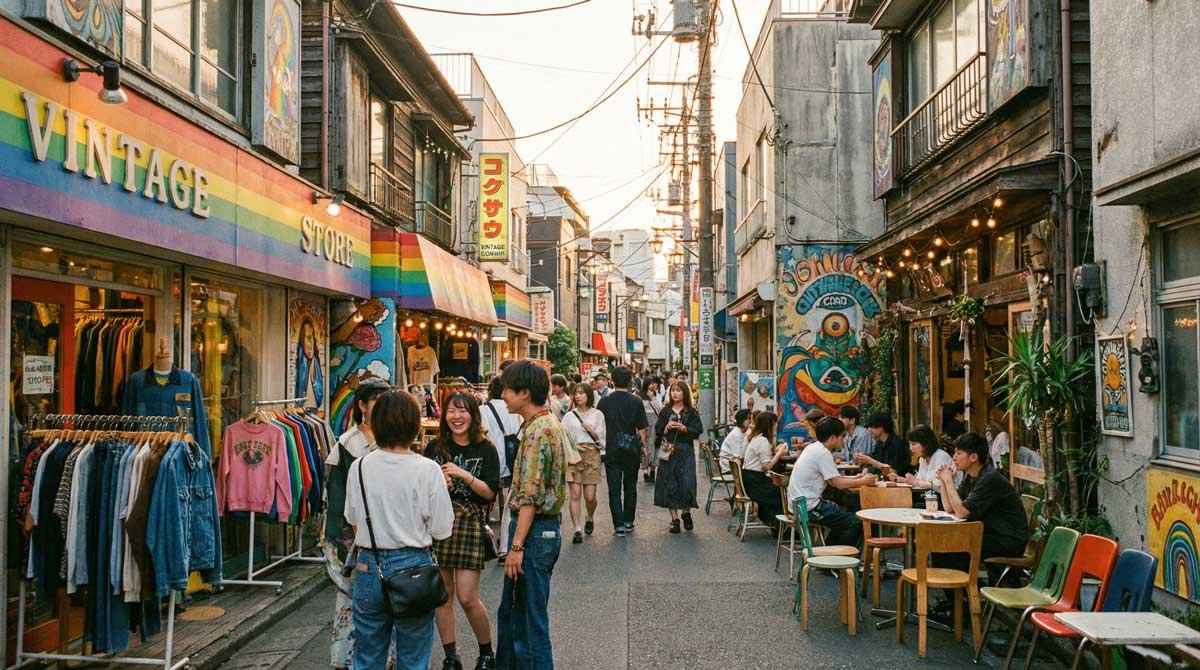

Introduction to Shimokitazawa: Where Tokyo’s Creative Soul Lives
Are you looking for an authentic Tokyo experience away from the neon-drenched chaos of Shibuya and Shinjuku? A place where creativity flows as freely as the pour-over coffee, and every narrow alleyway promises a new discovery? Welcome to Shimokitazawa.
Often shortened to “Shimokita” by locals, this neighborhood has been consistently voted as one of Tokyo’s most desirable places to live, especially for creative minds and those seeking a more laid-back urban lifestyle. It’s a vibrant labyrinth of independent businesses where vintage fashion, underground music, and artisanal coffee converge.
This guide is your all-access pass to the heart of Tokyo’s bohemian culture. We’ll go beyond the surface-level recommendations to provide you with a comprehensive plan for exploring Shimokitazawa. From its rich history to its best-kept secrets, budget planning, and a detailed one-day itinerary, you’ll have everything you need to experience Shimokita like a local.
What Makes Shimokitazawa Special?
Shimokitazawa’s charm isn’t just about its trendy shops or cozy cafes. It’s a feeling—an atmosphere of relaxed creativity and community that sets it apart from any other district in Tokyo.
A Brief History: From Farming Village to Creative Hub
Before it became a hub for Tokyo’s youth culture, Shimokitazawa was a quiet farming community. Its transformation began after the Great Kanto Earthquake of 1923, when people moved from central Tokyo to this then-suburban area.
After World War II, it developed into a market for second-hand goods for US soldiers, laying the foundation for its future as a vintage paradise. The narrow, winding streets that define its character today are a direct result of its organic, unplanned growth, which prevented the large-scale development seen elsewhere in the city.
The Bohemian Vibe: Culture and Community
The spirit of Shimokitazawa is fueled by its residents: a mix of artists, musicians, students, and entrepreneurs. This creative energy is palpable in the numerous independent theaters, live music venues, and small art galleries that dot the neighborhood.
Unlike more commercialized districts, Shimokita has fiercely protected its independent spirit, making it a sanctuary for alternative culture and self-expression.
Getting to Shimokitazawa: Transportation Guide
Reaching this bohemian enclave is surprisingly simple. Shimokitazawa Station is a major intersection for two private railway lines, making it easily accessible from Tokyo’s main transport hubs.
Odakyu Line: Connects directly from Shinjuku Station.
Keio-Inokashira Line: Connects directly from Shibuya Station and Kichijoji.
All train types, including the rapid and express services, stop at Shimokitazawa, so you don’t have to worry about catching a specific train. The station itself has undergone significant redevelopment, with new exits and facilities that make navigation easier than ever.
| From | Line | Time | Approx. Cost |
|---|---|---|---|
| Shinjuku Station | Odakyu Line | 7-10 mins | ¥160 |
| Shibuya Station | Keio-Inokashira Line | 4-7 mins | ¥130 |
| Tokyo Station | JR Chuo Line to Shinjuku, then Odakyu Line | 35-40 mins | ¥360 |
| Haneda Airport | Keikyu Line to Shinagawa, JR Yamanote to Shibuya, then Keio-Inokashira Line | 50-60 mins | ¥600 |
| Narita Airport | Narita Express to Shinjuku, then Odakyu Line | 90-100 mins | ¥3,380 |
Shopping in Shimokitazawa: A Thrifter’s Paradise
Shopping in Shimokitazawa is an adventure. It’s not about luxury brands or department stores; it’s about the thrill of the hunt and the joy of finding something truly unique.
Vintage and Thrift Clothing Stores
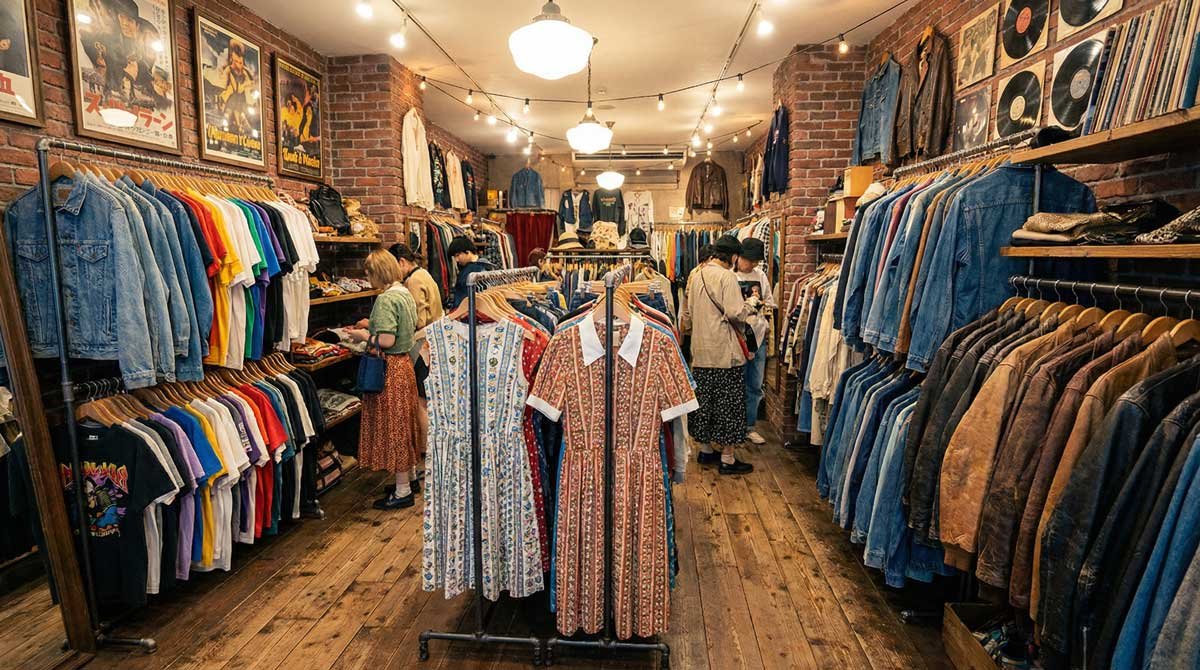
Shimokita is the undisputed capital of second-hand fashion in Tokyo. You’ll find everything from high-end, curated vintage boutiques to massive warehouses where you can fill a bag for a fixed price.
New York Joe Exchange: Housed in a former public bathhouse (sento), this shop is famous for its buy-sell-trade model. Prices are reasonable, and the stock changes constantly.
Flamingo: With several locations in the area, Flamingo is known for its well-organized collection of American vintage clothing from the 1940s to the 1980s.
Chicago: Another giant in the thrift scene, Chicago offers a vast selection that includes everything from vintage kimono to classic American workwear.
Stick Out: A must-visit for budget shoppers, where almost every item is priced at a flat ¥700.
Record Shops and Music Culture
Music is the heartbeat of Shimokitazawa. The neighborhood is a treasure trove for vinyl collectors, with shops catering to every genre imaginable.
Disk Union: A legendary name in Japan’s music scene, the Shimokitazawa branch offers an incredible selection of new and used vinyl, CDs, and band merchandise across multiple floors.
Flash Disc Ranch: A local institution, this basement shop is packed to the ceiling with rare and classic records, primarily focusing on rock, soul, and jazz.
Antique Shops and Unique Finds
Beyond fashion and music, Shimokita’s alleys hide charming antique shops and ‘zakka’ (miscellaneous goods) stores. Here you can find vintage furniture, retro homeware, and quirky souvenirs that tell a story.
Modern Shopping Complexes
Recent redevelopments have added a modern twist to Shimokita’s landscape without compromising its character.
Reload: An open-air complex built on former railway tracks, featuring a curated mix of independent shops, galleries, and cafes with plenty of communal seating.
Mikan Shimokita: Located right outside the station, this five-story facility hosts a diverse range of restaurants, a Tsutaya bookstore, and co-working spaces.
Shopping Tips and Hacks
1. Go on a Weekday: Weekends are extremely crowded. Visit on a Tuesday or Wednesday afternoon for a more relaxed experience.
2. Dig Deep: The best finds are often hidden. Don’t be afraid to sift through racks and bins.
3. Check the Basement/Upper Floors: Many shops have their best or most discounted items tucked away from the main entrance.
4. Bring Cash: While most larger stores accept cards, many smaller, independent shops are cash-only.
| Store Type | Price Range | Best For | Key Stores |
|---|---|---|---|
| Vintage Clothing | ¥1,000 – ¥30,000+ | Unique, high-quality pieces | Flamingo, New York Joe |
| Thrift Stores | ¥500 – ¥5,000 | Budget-friendly bargains | Stick Out, Treasure Factory |
| Record Shops | ¥800 – ¥10,000+ | Vinyl collectors, music lovers | Disk Union, Flash Disc Ranch |
| Antique/Zakka | ¥300 – ¥20,000+ | Souvenirs, home decor | Antique Life Jin, Tokyo Retro a.m.a |
Eating and Drinking in Shimokitazawa
Shimokitazawa’s culinary scene is as eclectic and independent as its fashion. It’s a food lover’s paradise, with a focus on quality, creativity, and value.
Coffee Culture: Independent Cafés
Forget generic coffee chains. Shimokita is a haven for third-wave coffee, with passionate baristas serving meticulously crafted brews in unique settings.
Ogawa Coffee Laboratory: A minimalist’s dream where you can choose your beans and brewing method for a personalized coffee experience.
Frankie Melbourne Espresso: Bringing a taste of Australian coffee culture to Tokyo, known for its excellent flat whites and friendly vibe.
Bookends Coffee Service: A tiny, beloved coffee stand perfect for grabbing a high-quality cup on the go.
Curry: The Neighborhood Specialty
For reasons that are a delightful mystery, Shimokitazawa has become Tokyo’s curry capital. The annual Shimokitazawa Curry Festival attracts thousands, but you can enjoy world-class curry here any day of the year.
Rojiura Curry Samurai: Famous for its soup curry packed with up to 20 different vegetables, a hearty and healthy feast.
Magic Spice: A psychedelic-themed restaurant that claims to be the originator of soup curry in Tokyo, offering a customizable spice level from mild to explosive.
International Cuisine and Food Trucks
The neighborhood’s culinary diversity extends far beyond curry. You’ll find authentic Thai, Vietnamese, Mexican, and Italian restaurants tucked into its side streets.
The recently developed Senrogai (railroad track street) area often hosts a rotating lineup of food trucks, offering everything from gourmet burgers to vegan sweets.
Budget-Friendly Dining
Shimokita is student-friendly, which means you’re never far from a delicious, affordable meal.
Omusubi Gonbei: Perfect for a quick, healthy, and cheap snack, offering a huge variety of handmade rice balls (omusubi).
Ramen: Several small, independent ramen shops offer high-quality bowls for under ¥1,000.
| Cuisine | Price Range (per person) | Recommended For |
|---|---|---|
| Coffee | ¥500 – ¥1,000 | Coffee aficionados, a relaxing break |
| Curry | ¥1,000 – ¥2,500 | A hearty, flavorful meal |
| International | ¥1,500 – ¥4,000 | Diverse culinary experiences |
| Budget Eats | ¥300 – ¥1,000 | Quick, cheap, and delicious bites |
Live Music, Theater & Nightlife Scene
When the sun goes down, Shimokitazawa’s creative energy finds a new stage. The neighborhood is a major hub for Tokyo’s live music and independent theater scenes.
Live Music Venues and Concerts
From punk rock to indie pop and experimental jazz, Shimokita’s live houses are where you can catch the next big thing in Japan’s music scene. Venues like Shimokitazawa SHELTER, BASEMENTBAR, and ERA are legendary, hosting multiple bands every night of the week.
Independent Theaters and Comedy
Shimokitazawa is also the epicenter of Tokyo’s small-theater culture. The iconic Honda Theater is the most famous, but dozens of smaller, more experimental venues like The Suzunari showcase everything from avant-garde plays to stand-up comedy.
Bars and Nightlife Spots
The nightlife here is more about cozy, intimate bars than large, flashy clubs. You’ll find tiny, character-filled bars where you can chat with the owner, as well as more lively spots with DJs spinning vinyl.
It’s a place to enjoy a craft beer or a Japanese whisky in a relaxed, unpretentious atmosphere.
Festivals and Events Throughout the Year
Shimokitazawa’s community spirit shines brightest during its many festivals. These events offer a fantastic opportunity to experience the neighborhood’s unique culture.
Shimokitazawa Tengu Festival (January/February): A traditional festival where participants parade through the streets wearing tengu (long-nosed goblin) masks to ward off evil spirits.
Summer Festivals (August): The Shimokitazawa Bon Dance Festival and Awa Odori Festival bring traditional music, dance, and food stalls to the streets.
Shimokitazawa Curry Festival (October): A ten-day celebration of the neighborhood’s favorite dish, with over 100 participating restaurants offering special curry-themed menus.
Moon Art Night (September/October): A beautiful event where the neighborhood is decorated with art installations and lanterns, creating a magical atmosphere.
When to Visit & Budget Planning Guide
While Shimokitazawa is a great destination year-round, your experience can vary depending on the season and your budget.
Best Seasons to Visit Shimokitazawa
Spring (March-May): Pleasant weather and the chance to see cherry blossoms in nearby parks make this an ideal time to visit.
Autumn (September-November): Cool, crisp air and beautiful autumn foliage create a perfect backdrop for exploring the neighborhood’s cozy cafes and shops.
Avoid: Summer (June-August) can be hot and humid, and the peak of winter (December-February) can be quite cold, though the festive atmosphere is a plus.
Daily Budget Breakdown
Shimokitazawa can be surprisingly affordable. Here’s a sample daily budget for a mid-range traveler:
| Category | Estimated Cost (per day) |
|---|---|
| Accommodation (Hostel/Budget Hotel) | ¥4,000 – ¥8,000 |
| Food (1 cafe, 2 meals) | ¥3,000 – ¥5,000 |
| Shopping (Thrift finds) | ¥2,000 – ¥5,000 |
| Activities (Live show/Theater) | ¥2,500 – ¥4,000 |
| Total | ¥11,500 – ¥22,000 |
Perfect Day Itinerary in Shimokitazawa
To help you make the most of your time, here is a suggested one-day itinerary that covers all the highlights.
Morning (10:00 AM – 1:00 PM): Start your day with a quality coffee at Ogawa Coffee Laboratory. Most shops don’t open until 11 AM or noon, so take this time to wander the quiet streets and get your bearings. Once the shops open, begin your vintage hunt along the main shopping streets.
Afternoon (1:00 PM – 6:00 PM): Grab a delicious soup curry lunch at Rojiura Curry Samurai. Spend the afternoon diving deep into the thrift stores, exploring record shops like Disk Union, and checking out the modern Reload complex. Take a break for a snack or another coffee when you need to refuel.
Evening (6:00 PM onwards): Enjoy dinner at one of the many excellent restaurants. Afterwards, catch an indie band at SHELTER or a play at The Suzunari. End your night with a drink at a cozy, hidden bar.
Local Insider Tips & Hidden Gems
Explore the Backstreets: The real magic of Shimokita is in its narrow, car-free alleyways. Don’t be afraid to get lost.
Look for Small Shrines: Tucked between buildings, you’ll find tiny, charming shrines that offer a moment of peace.
Visit on a Sunday: While crowded, Sundays often feature street performers and a lively, festive atmosphere.
What to Avoid: Don’t come too early in the morning, as most places will be closed. Also, avoid trying to drive here; the streets are not designed for cars.
Frequently Asked Questions About Shimokitazawa
- 1. Is Shimokitazawa safe for tourists?
- Absolutely. Japan is one of the safest countries in the world, and Shimokitazawa is a very safe and welcoming neighborhood for solo travelers and families alike.
- 2. How long should I spend in Shimokitazawa?
- You can see the main highlights in a full day, but to truly soak in the atmosphere, a two-day visit is recommended. It’s also a great base for exploring western Tokyo.
- 3. Is Shimokitazawa expensive?
- It can be as cheap or expensive as you want it to be. It’s known for being budget-friendly, especially for food and second-hand shopping, but there are also high-end vintage stores and restaurants.
- 4. What’s the best way to get around the neighborhood?
- On foot. The neighborhood is a maze of narrow pedestrian streets, and walking is the only way to truly explore it.
- 5. Can I find English-speaking staff in shops and restaurants?
- While not universal, English is more common here than in many other parts of Tokyo due to the international crowd it attracts. Many cafes and larger shops will have some English-speaking staff or menus.
- 6. What’s the dress code for bars and clubs?
- Extremely casual. Shimokitazawa is all about self-expression. Wear whatever makes you feel comfortable.
- 7. Are there ATMs and convenience stores?
- Yes, you’ll find plenty of convenience stores (7-Eleven, FamilyMart, Lawson) with international ATMs scattered throughout the neighborhood.
- 8. Is Shimokitazawa good for families with children?
- While it’s more of a youth-oriented neighborhood, families can still enjoy the relaxed atmosphere, parks, and some of the quirky shops. However, the crowded streets and lack of child-focused attractions might be a challenge.
- 9. What’s the difference between Shimokitazawa and Daikanyama?
- Both are trendy neighborhoods, but Shimokitazawa has a more bohemian, alternative, and budget-friendly vibe. Daikanyama is more upscale, polished, and focused on high-end boutiques and chic cafes.
- 10. Can I take photos in shops and restaurants?
- Always ask for permission first. Many small, independent shops have a “no photo” policy to protect their unique collections and designs.
Conclusion: Experience Shimokitazawa’s Creative Spirit
Shimokitazawa is more than just a place to shop and eat; it’s an experience. It’s a testament to the power of community and the enduring appeal of independent, creative culture. It’s a corner of Tokyo that invites you to slow down, explore, and discover something new about the city and perhaps even yourself.
Whether you’re a seasoned thrifter, a music aficionado, a coffee connoisseur, or simply a curious traveler, Shimokitazawa offers a rich and authentic Tokyo experience that will stay with you long after you’ve left its charming streets.
So, on your next trip to Japan, make sure to carve out some time to get lost in the wonderful, bohemian world of Shimokita.

Most Viewed