
The scampering of ants all over your kitchen floor, or the scratching that you hear inside your walls, may turn the cozy home into a stressful environment in no time. Pest problems usually occur unexpectedly, and when they do, they may seem overwhelming to deal with.
In addition to the inconvenience, there are questions of health concerns, destruction of property, and the safety of your family in the course of treatment. Consequently, most of the homeowners find it difficult to identify solutions that are effective as well as safe.
A more considered and strategic response is far more effective in the long run than a reactive response with quick fixes. With the attention to prevention, adequate detection, and regulated treatments, you will be capable of dealing with pest problems with ease. The article discusses intelligent approaches to pest control in homes that are safe and reliable.
1. Begin With Prevention Measures that Work
Residential pest control is best done well in advance of the occurrence of the pest. Prevention is not only more cost-effective when it comes to lowering the risk of infestation, but also helps to reduce the aggressive treatment in later stages.
First of all, pay attention to the sealing of entry points. Minor cracks near the windows, doors, and foundations serve as convenient way points for the pests. Moreover, cleanliness is also essential. Crumbs, standing water, and debris make a welcoming atmosphere for insects and rodents.
Further, it is crucial that the waste is managed properly. Disposing of garbage regularly and using closed containers does not leave pests without a food source. This makes your house much less appealing to visitors that you would not want.
2. Determine the Problem and Then Act
When you observe the symptoms of pests, it is necessary to properly determine the nature of the infestation. Pests need different modes of treatment, and applying the wrong approach may worsen the situation.
As an example, ants, termites, cockroaches, and rodents do not behave in the same way and cannot be found in the same places. Hence, patterns such as droppings, damage, or nesting sites can give useful evidence.
Moreover, early diagnosis assists in selecting specific solutions instead of using generalized treatments. This not only increases efficiency but also minimizes unwarranted chemical exposure within your home.
3. Select Targeted and Safe Treatment
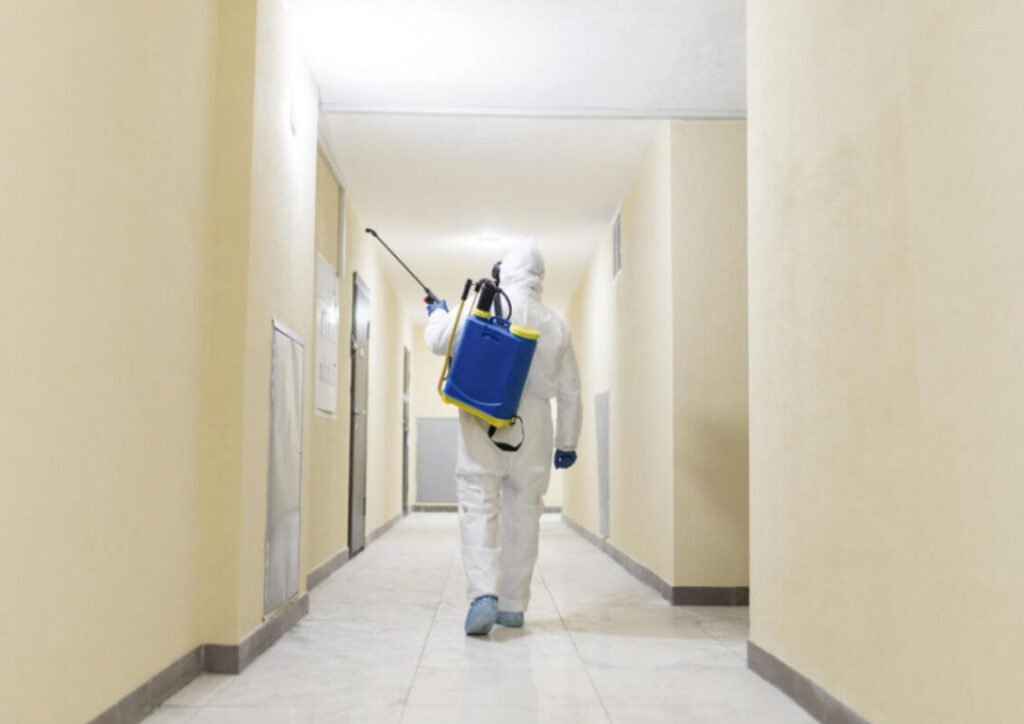
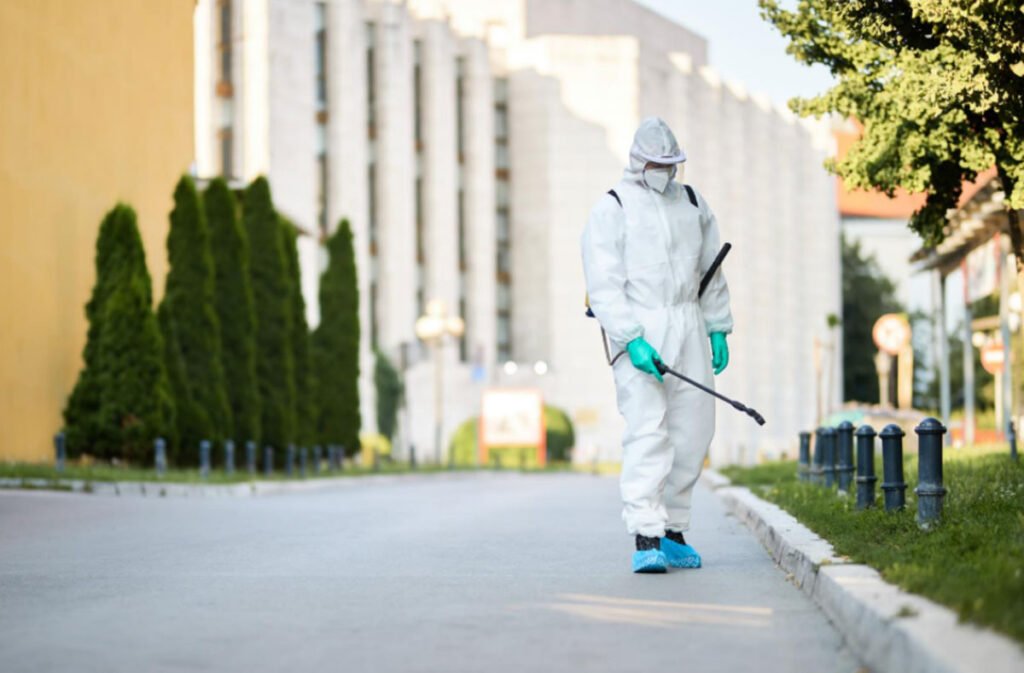
It is always important to be safe when handling pests, particularly in a house where there are children and pets. Rather than reaching directly for the harsh chemicals, look at less damaging and less aggressive methods.
For instance, many common pests are frequently treated using bait systems, traps, and treatments with low toxicity. Such techniques are aimed at eradicating the cause of the issue without contaminating your living environment with bad substances.
Moreover, the treatment applied only where required eliminates unnecessary use and minimizes environmental effects. This strategic plan would make pest control practices efficient and responsible.
4. Be Consistent with Periodic Surveillance
Monitoring should be done even after dealing with an infestation. Pest control is not a one-time activity but an ongoing process that needs to be attended to regularly.
Frequent observations are useful in detecting early signs of re-infestation. As an example, inspecting basements, kitchens, and storage areas can indicate minor changes before they grow into significant issues.
Also, the pest activity is frequently affected by seasonal shifts. Hotter seasons can attract insects, whereas colder seasons can force rodents inside. Thus, modifying your strategy during the year can be used to ensure that you have long-term control.
5. Pay Attention to Moisture and Environmental Control
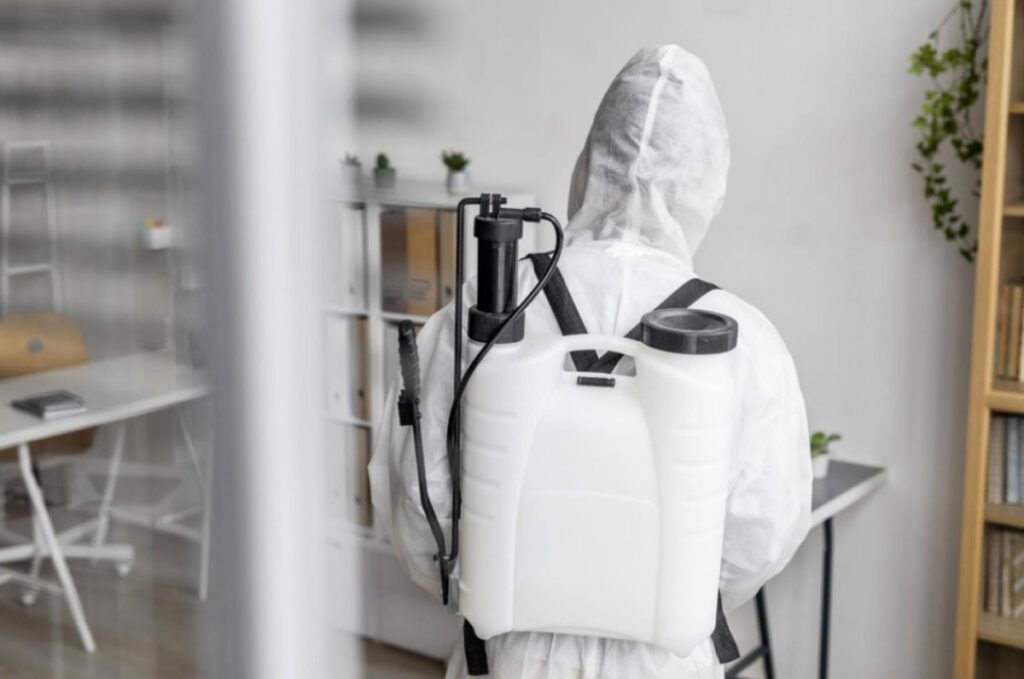
Image Source
There are a lot of pests that grow in cool and wet conditions. As a result, you can manage moisture levels within and surrounding your house, hence greatly limiting the activity of pests.
Begin with repairing pipes, roofs, and faucets. Even the standing water in small volumes may harbor mosquitoes and cockroaches. Additionally, it is important to make sure that there is sufficient ventilation in places like bathrooms and basements to avoid the accumulation of humidity.
There is also the outdoor maintenance. By ensuring that the gutters are clean, pruning plants, and ensuring that the drainage is well-maintained around your property, you decrease the risk of having pests in the house. Consequently, your residence will be less hospitable to infestations.
6. Know When to Seek Professional Assistance
While many pest issues can be managed with preventive and basic measures, some situations require expert intervention. Large infestations or recurring problems often indicate deeper underlying issues.
Professional services bring specialized knowledge, advanced tools, and targeted treatments that are not easily accessible otherwise. In addition, they can assess the root cause of the problem and recommend long-term solutions.
Importantly, choosing experienced professionals ensures that treatments are applied safely and effectively. This not only protects your home but also provides peace of mind knowing the issue is being handled properly.
Final Thoughts
Managing pests in your home does not have to be stressful or unsafe. By adopting smart strategies such as prevention, accurate identification, and targeted treatments, you can effectively control infestations while maintaining a healthy living environment.
Consistent monitoring and moisture control further strengthen your efforts, ensuring that problems are addressed before they escalate. Additionally, recognizing when professional help is needed allows for a more comprehensive solution.
Ultimately, a thoughtful and proactive approach makes pest control both reliable and safe. With the right balance of awareness and action, you can protect your home, preserve comfort, and maintain long-term peace of mind without unnecessary risks.

Most Viewed