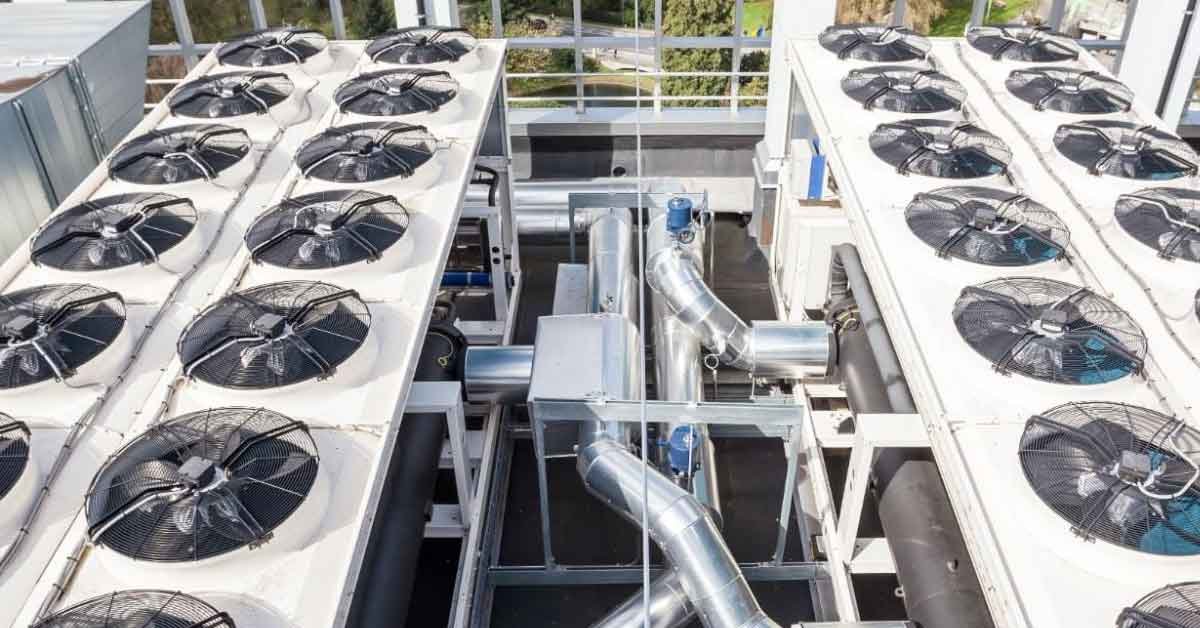

Managing the climate within large-scale buildings requires immense power, making thermal regulation one of the largest expenses for facility operators. The benefits of energy-efficient HVAC systems in commercial properties extend far beyond simple temperature control, fundamentally transforming the financial viability of the asset. By upgrading to advanced climate infrastructure, building owners dramatically reduce utility overhead while simultaneously elevating tenant comfort. This strategic modernization is essential for maintaining a competitive edge in today’s environmentally conscious real estate market.
Table of Contents
ToggleThe Shift Toward High-Efficiency Infrastructure
Transitioning to modern climate control technology replaces wasteful, continuous-operation models with highly responsive, demand-driven systems. Implementing variable refrigerant flow and intelligent zoning drastically reduces unnecessary power consumption during off-peak hours. This proactive modernization directly lowers operational friction and significantly improves the building’s overall ecological footprint.
The primary objective of investing in energy-efficient HVAC systems is to improve the operational efficiency of a commercial property while simultaneously reducing its environmental footprint, notes Keyrenter Alexandria in Belle View. In a competitive market, a building with a high-efficiency HVAC system stands out by offering lower ownership costs and a more comfortable and productive environment for tenants. This differentiation is a key factor in determining the property’s marketability and long-term value.
Property operators who prioritize advanced thermal management consistently report substantial decreases in their annual utility expenditures. The following table highlights the primary components of modern climate systems and their specific impact on commercial asset performance.
| HVAC Technology Category | Primary Benefit | Impact on ROI |
|---|---|---|
| High-Efficiency Heat Pumps | Reduces energy consumption and emissions | High (long-term savings) |
| VRF Systems | Provides precise and efficient climate control | High (improved comfort) |
| Smart HVAC Controls | Optimizes system performance and scheduling | Moderate to High (efficiency) |
| Energy Recovery Ventilators | Improves air quality and reduces energy waste | Moderate (health and efficiency) |
By investing in sophisticated climate technology, commercial landlords ensure their portfolios remain financially robust and highly attractive to premium tenants.
Reduced Operational Costs and Financial Performance
Upgrading to high-efficiency thermal systems directly translates into massive reductions in monthly utility expenditures. Advanced variable-speed compressors use only the precise amount of electricity required to maintain the desired temperature, eliminating the wasteful power spikes of older units. This drastic reduction in energy draw significantly improves the net operating income of the commercial asset.
Traditional heating and cooling units operate on a binary system, running at full capacity until the thermostat is satisfied before shutting off completely. This constant cycling consumes excessive electricity and accelerates mechanical wear and tear on the expensive internal components. Modern variable systems operate continuously at lower, optimized speeds, which is fundamentally more efficient and cheaper to maintain.
Furthermore, many local governments and utility providers offer substantial financial rebates for installing environmentally friendly climate infrastructure. These incentives can offset a significant portion of the initial installation costs, accelerating the return on investment. Consequently, the long-term financial performance of the property is structurally enhanced.
Improved Indoor Air Quality and Occupant Comfort
Advanced commercial climate systems utilize sophisticated filtration and continuous ventilation to create a demonstrably healthier working environment. High-efficiency particulate filters remove microscopic pollutants and allergens, drastically improving the overall indoor air quality for all occupants. This commitment to respiratory health directly correlates with reduced tenant absenteeism and increased daily productivity.
Maintaining a consistent, comfortable temperature across a massive commercial floorplan is notoriously difficult with outdated ductwork. Variable Refrigerant Flow (VRF) technology solves this by allowing different zones within the same building to be heated or cooled independently and simultaneously. This precise localized control eliminates the common office battle over the thermostat.
When employees are physically comfortable, their focus and output naturally increase, making the leased space highly valuable to corporate tenants. Buildings that consistently provide superior air quality and thermal comfort experience much higher lease renewal rates. Therefore, investing in advanced HVAC infrastructure is an investment in tenant retention.
Environmental Sustainability and Corporate Responsibility
Implementing eco-friendly climate systems allows commercial properties to meet stringent new environmental regulations effortlessly. High-efficiency units drastically lower greenhouse gas emissions by reducing the building’s reliance on fossil-fuel-generated electricity. This tangible commitment to sustainability is increasingly demanded by modern corporate tenants and institutional investors.
Large corporations now actively seek out office spaces that align with their internal Environmental, Social, and Governance (ESG) initiatives. A building equipped with verifiable, high-efficiency thermal infrastructure becomes a prime target for these lucrative, long-term corporate leases. Demonstrating ecological responsibility is no longer just good PR; it is a fundamental business requirement.
Additionally, utilizing Energy Recovery Ventilators (ERVs) captures the thermal energy from exhaust air and uses it to precondition incoming fresh air. This ingenious recycling process prevents energy waste and further reduces the building’s overall carbon footprint. Such innovative engineering defines the modern standard for sustainable commercial architecture.
Conclusion: HVAC as a Strategic Investment
Modernizing commercial climate control is a strategic imperative that yields compounding financial and operational dividends. By leveraging high-efficiency heat pumps, VRF zoning, and smart controls, facility managers fundamentally optimize their largest operational expense. This proactive technological upgrade secures the long-term profitability and market relevance of the commercial asset.
The transition to sustainable thermal management creates a superior physical environment that naturally attracts and retains high-value tenants. Embracing these advanced systems moves property management from reactive maintenance to predictable, highly efficient oversight. Ultimately, an intelligent HVAC infrastructure is the beating heart of a successful commercial property.
Frequently Asked Questions
What does VRF stand for in commercial HVAC?
VRF stands for Variable Refrigerant Flow, a highly advanced system that allows multiple indoor units to operate on the same exterior system, providing simultaneous heating and cooling to different zones.
How do high-efficiency systems reduce maintenance costs?
Because modern variable-speed systems run continuously at lower capacities rather than constantly turning on and off, they experience significantly less mechanical stress, leading to fewer breakdowns and lower repair costs.
What is an Energy Recovery Ventilator (ERV)?
An ERV is a system that exchanges the energy contained in normally exhausted building air and uses it to treat the incoming outdoor ventilation air, drastically reducing the energy required to heat or cool the fresh air.
Do eco-friendly HVAC systems increase commercial property value?
Yes, buildings with lower documented utility costs and superior environmental ratings command higher lease rates and sell for a premium because they offer buyers immediate operational savings.
How often should commercial HVAC filters be replaced?
To maintain optimal indoor air quality and system efficiency, commercial filters should generally be inspected monthly and replaced quarterly, though high-traffic or industrial areas may require more frequent changes.

Chase Durkish
Most Viewed