
In the contemporary real estate market, sustainability has transitioned from a niche interest to a fundamental requirement for modern architecture. As environmental awareness grows and utility costs continue to rise, homeowners and property investors are increasingly seeking ways to reduce their environmental impact and improve the energy efficiency of their properties. Sustainable architecture—encompassing everything from green roofs and solar panels to recycled materials and passive design—has emerged as a powerful tool for creating healthy, efficient, and resilient living environments. This article explores the most significant eco-friendly building trends in sustainable architecture, focusing on their role in environmental preservation, health, and financial success.
Table of Contents
ToggleThe Philosophy of Sustainable Architecture
The primary objective of sustainable architecture is to create a living environment that is both environmentally friendly and socially responsible. This involves using materials and methods that minimize the use of natural resources and reduce the production of waste and pollution. Sustainable architecture also prioritizes the health and well-being of occupants, providing a more comfortable and productive living environment.
Sustainable Building Trend
Primary Benefit
Key Metric
Passive Design
Reduces energy consumption and waste
Energy savings
Green Roofs & Walls
Improves air quality and insulation
Air purity
Solar Energy Systems
Provides renewable and sustainable energy
Energy production
Recycled Materials
Reduces waste and environmental impact
Recycled content
By implementing sustainable building trends, homeowners and property investors can create a more resilient and sustainable living environment that is less vulnerable to environmental damage and other potential threats.
Passive Design and Energy Efficiency
Passive design is one of the most important trends in sustainable architecture. It involves using the natural environment to regulate the temperature and lighting of a building, reducing the need for artificial heating, cooling, and lighting. This can include everything from the strategic placement of windows and skylights to the use of high-quality insulation and thermal mass.
“Sustainability is not just about protecting the environment; it is about protecting your financial future. By providing a more precise and efficient way to manage the home, it can significantly improve the overall quality of life.”
Passive design can significantly reduce the energy consumption of a building, leading to lower monthly utility bills and a smaller environmental footprint. It also provides a more comfortable and consistent living environment, with fewer temperature fluctuations and better natural light.
Green Roofs and Walls for Improved Air Quality
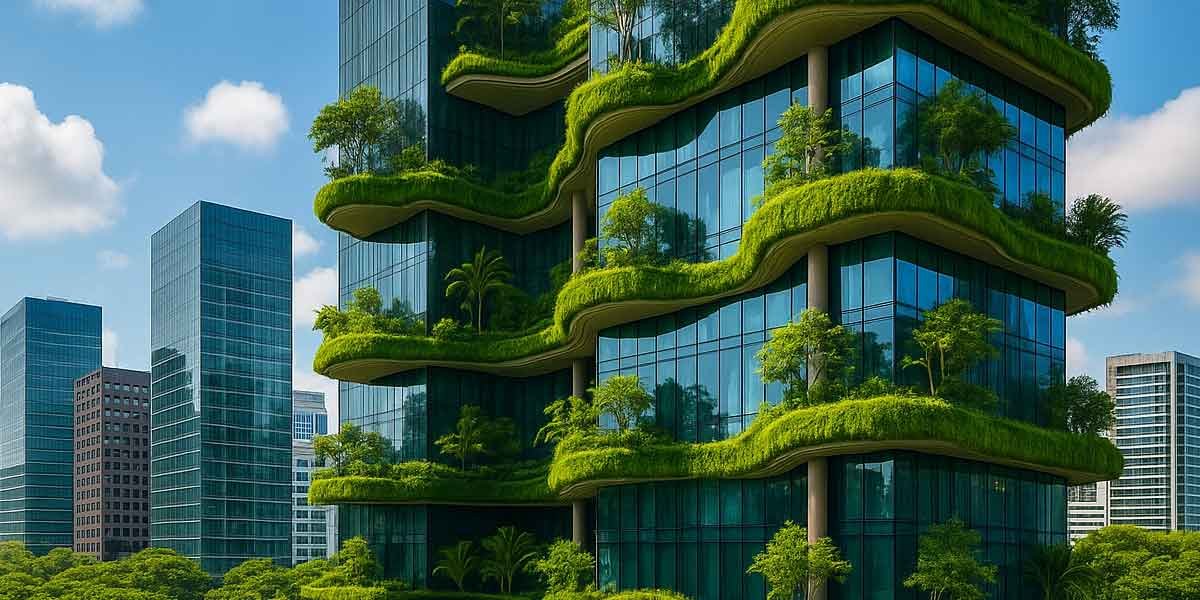
Green roofs and walls are another key trend in sustainable architecture. They involve covering the roof or walls of a building with vegetation, which provides a range of benefits from improved air quality and insulation to reduced stormwater runoff and urban heat island effect.
Green roofs and walls can also provide a more aesthetic and inviting living environment, with natural elements that improve the well-being of occupants. They are particularly valuable in urban environments, where green space is often limited. By incorporating green roofs and walls, property owners can create a more sustainable and attractive property that is more appealing to potential tenants and buyers.
Solar Energy Systems and Renewable Energy
Solar energy systems are a critical component of any sustainable building. They provide a renewable and sustainable source of energy that can significantly reduce the reliance on fossil fuels and lower monthly utility bills. Solar panels can be installed on the roof or walls of a building, and they can also be integrated into the building’s design.
Solar energy systems also provide a sense of energy independence and security, as homeowners are less vulnerable to fluctuations in energy prices and supply. As the cost of solar technology continues to fall, it is becoming an increasingly financially viable option for many homeowners and property investors.
The Evolution of Sustainable Building Materials
Sustainable building materials are also playing a key role in the future of architecture. This includes everything from recycled steel and bamboo to low-VOC paints and energy-efficient windows. These materials are designed to be more durable and environmentally friendly than traditional building materials, reducing the environmental impact of construction and maintenance.
As the demand for sustainability continues to grow, these materials and methods will remain a key driver of innovation and success. They provide a simple and effective way for homeowners and property investors to improve their environmental performance and reduce their environmental impact.
Conclusion: Investing in a Sustainable and Resilient Future
In conclusion, sustainable architecture is a powerful tool for creating healthy, efficient, and resilient living environments. By focusing on passive design, green roofs and walls, solar energy systems, and recycled materials, homeowners and property investors can significantly reduce their environmental impact and improve the energy efficiency of their properties. These sustainable building trends not only provide immediate practical benefits but also enhance the long-term value and marketability of the property. As the real estate market continues to evolve, sustainability will remain a key driver of innovation and success. Investing in a sustainable and resilient future is a strategic decision that pays off in the long run through improved environmental performance and reduced risk.

Chase Durkish
Most Viewed