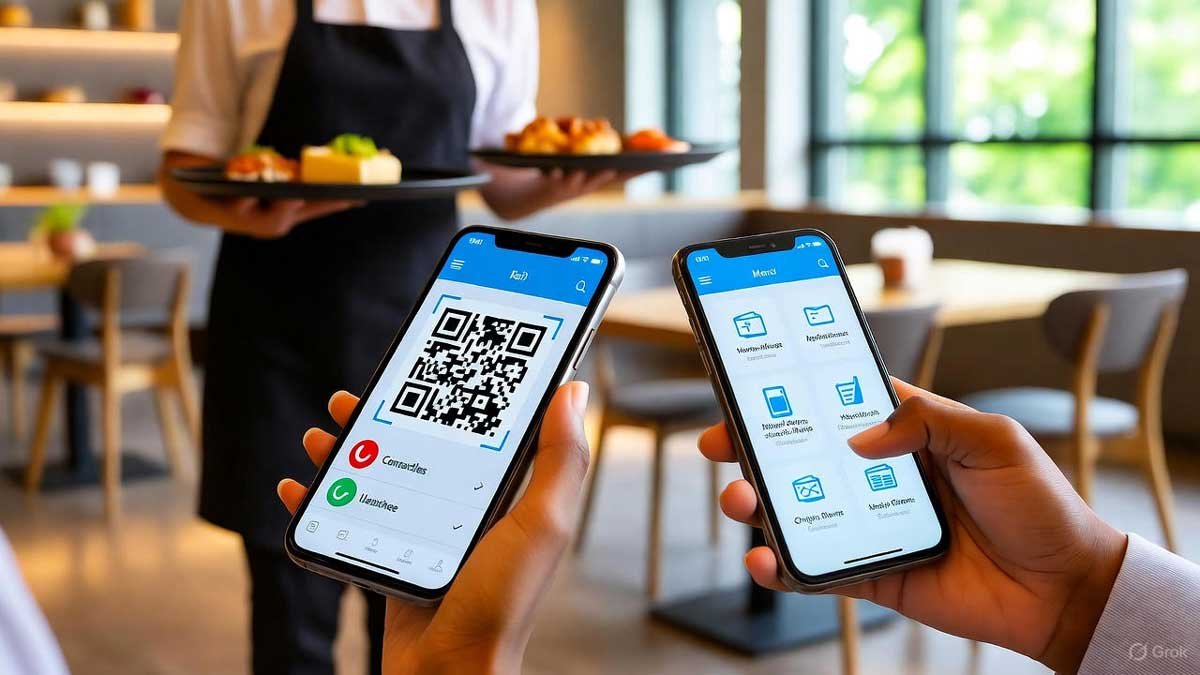

The restaurant industry has always been a space for innovation, but the past few years have accelerated the adoption of technology like never before. From mobile ordering apps to automated kitchens, restaurants are embracing digital solutions to meet changing customer expectations. One of the most significant shifts has been the rise of contactless dining—an approach that combines convenience, safety, and efficiency in ways that were once unimaginable.
Contactless dining removes unnecessary touchpoints between staff and customers. Instead of waiting for a waiter to take an order or manually handling cash, diners can now scan QR codes to access menus, pay directly from their phones, and even track the progress of their meals. For restaurants, this not only improves the guest experience but also allows staff to focus on higher-value tasks, like personalizing service or ensuring food quality.
Table of Contents
ToggleKey Technologies Driving Contactless Dining
The technology behind contactless dining is diverse and growing. QR code menus have replaced laminated paper menus that required constant cleaning. Mobile payment systems eliminate the need for cash handling, reducing errors and increasing speed. Some restaurants are using table-top tablets or apps that allow diners to order additional items without waiting for staff. Meanwhile, kitchens are integrating order management systems that receive digital orders directly, improving accuracy and reducing delays.
Data analytics is another critical technology in this space. Restaurants can track which menu items are most popular, monitor peak hours, and analyze customer preferences to inform future offerings. This allows for more strategic decision-making in inventory management, staffing, and menu development, ultimately improving efficiency and profitability.
Streamlining Operations with Workforce Technology
Contactless dining doesn’t just benefit the customer; it profoundly impacts restaurant operations. Workforce management has traditionally been one of the most challenging aspects of running a restaurant. Scheduling, payroll, and HR compliance can quickly become overwhelming, especially in busy establishments.
Modern solutions, like payroll and HR software designed specifically for the industry, allow restaurants to automate schedules, track hours, manage benefits, and ensure compliance with labor laws. These systems reduce administrative burden, prevent errors, and provide staff with transparency about their pay and schedules. By simplifying these processes, managers can focus on improving service and optimizing operations rather than getting bogged down in paperwork.
Enhancing Customer Engagement
Customer engagement is evolving rapidly in the contactless era. Loyalty programs and personalized offers can be delivered directly through mobile apps, creating a seamless experience for diners. Feedback collection has become easier with digital surveys sent immediately after meals, giving restaurants instant insight into customer satisfaction. This direct engagement allows restaurants to respond quickly to concerns and maintain high standards. By combining convenience with personalization, contactless dining strengthens the relationship between restaurants and their guests while making every visit feel more tailored and memorable.
Optimizing Marketing and Loyalty Programs
Technology has opened new opportunities for restaurants to engage with their customers beyond the dining table. Contactless dining platforms often integrate with loyalty and marketing tools that help restaurants retain regular customers and attract new ones. With automated systems, restaurants can send personalized promotions, track redemption rates, and understand customer behavior more effectively.
Some common ways restaurants are leveraging technology for marketing include:
- Automated loyalty points for repeat visits or online orders
- Targeted promotions biased on customer preferences or dining history
- Push notifications to inform customers of new menu items or events
- Digital gift cards that can be purchased and redeemed online
- Email and app campaigns to gather reviews and feedback
By using these tools, restaurants can foster long-term relationships with their customers while minimizing manual effort. The integration of marketing tech with operational systems ensures that promotions are relevant, timely, and easy to track, helping businesses stay competitive in a digital-first environment.
Kitchen Automation Trends
While front-of-house technology gets a lot of attention, the kitchen is also undergoing a significant transformation. Automation tools are helping restaurants reduce repetitive tasks, maintain consistency, and operate more efficiently during peak hours. These innovations include robotic food prep systems, smart ovens, automated beverage dispensers, and AI-assisted inventory management.
Kitchen automation not only saves time but also enhances safety and reduces human error. For example, robotic fryers can consistently cook items at precise temperatures, while smart sensors monitor stock levels in real time to prevent shortages. Automation also allows staff to focus on creative and high-touch tasks, like plating, presentation, and menu development. As these tools become more affordable and user-friendly, even small and medium-sized restaurants can benefit from automation. By combining front-of-house contactless systems with smart kitchens, restaurants can create a fully integrated, efficient, and modern dining experience that delights customers and supports staff.
Sustainability and Efficiency in Contactless Dining
Contactless dining also opens the door for more sustainable practices in restaurants. By digitizing menus and orders, establishments reduce the need for printed materials, which decreases paper waste. Additionally, data-driven analytics can help kitchens better forecast demand, preventing food overproduction and minimizing spoilage.
Energy-efficient appliances and smart kitchen tools further enhance sustainability. Smart ovens, refrigerators, and beverage dispensers monitor usage and adjust operations to save energy without compromising performance. Waste reduction can also extend to packaging in delivery and takeout orders, where technology can track inventory and optimize portion sizes.
Ultimately, sustainability paired with efficiency creates a win-win for restaurants: lower operational costs, a smaller environmental footprint, and improved customer perception. Consumers increasingly value eco-conscious practices, and technology-driven solutions allow restaurants to meet these expectations without sacrificing convenience or quality.
The Future of Contactless Dining
The future of contactless dining is full of possibilities. Kitchen automation, AI-driven order predictions, and virtual restaurants are just a few innovations on the horizon. These technologies reduce manual labor, improve consistency, and allow staff to focus on creativity and customer service. Beyond operational efficiency, contactless dining contributes to safer, more hygienic environments. Reduced physical contact lowers health risks, and digital systems can be updated instantly to meet new regulations or best practices. Restaurants that embrace these innovations not only meet modern customer expectations but also build stronger operational foundations for the future.

Shaker Hammam
The TechePeak editorial team shares the latest tech news, reviews, comparisons, and online deals, along with business, entertainment, and finance news. We help readers stay updated with easy to understand content and timely information. Contact us: Techepeak@wesanti.com
More PostsMost Viewed