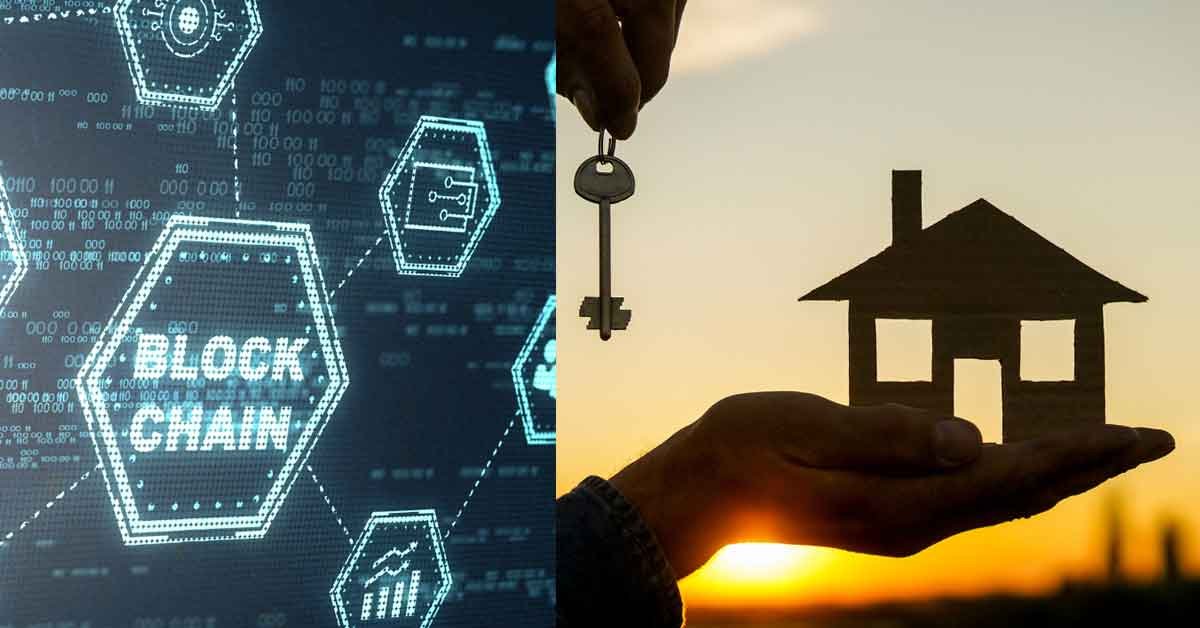

In the contemporary real estate market, blockchain technology has transitioned from a niche interest to a fundamental driver of transparency and efficiency in property transactions. As the demand for more secure and efficient ways to buy and sell real estate grows, blockchain—encompassing everything from smart contracts and tokenization to decentralized ledgers and digital identity—is redefining how residential and commercial properties are transacted. For property owners and investors, understanding the transformative power of blockchain is essential for maximizing return on investment (ROI) and ensuring long-term success. This article explores the most significant ways that blockchain is revolutionizing real estate transactions, focusing on the role of transparency, security, and the evolving expectations of modern investors.
Table of Contents
ToggleThe Shift Toward Decentralized Real Estate Transactions
The primary objective of implementing blockchain in real estate is to improve the quality of the transaction experience while simultaneously reducing the time and cost of property sales. In a traditional transaction model, many tasks are manual and reactive, leading to inefficiencies and missed opportunities. Blockchain, on the other hand, uses a decentralized ledger to record and verify every step of the transaction process, providing a level of transparency and security that traditional methods cannot match.
| Blockchain Feature | Primary Benefit | Impact on Transactions |
| Smart Contracts | Automates the execution of agreements | High (increased efficiency) |
| Tokenization | Enables fractional ownership of property | High (expanded market reach) |
| Decentralized Ledgers | Provides a transparent and secure record | High (reduced fraud) |
| Digital Identity | Verifies the identity of buyers and sellers | Moderate to High (security) |
By prioritizing blockchain solutions, property owners and investors can ensure their assets remain relevant in an increasingly digital world.
Smart Contracts and Automated Transaction Execution
One of the most significant benefits of blockchain in real estate is smart contracts. These are self-executing contracts with the terms of the agreement between buyer and seller being directly written into lines of code. Smart contracts automate the execution of agreements, reducing the need for intermediaries and making the transaction process more efficient and cost-effective.
“Blockchain is not just about technology; it is about transparency. By providing a more precise and efficient way to transact properties, blockchain can significantly improve the overall financial performance of real estate assets.”
Smart contracts also improve the security of real estate transactions by ensuring that all parties fulfill their obligations before the transaction is completed. This reduces the risk of fraud and disputes, leading to a more positive and memorable transaction experience for buyers and sellers.
Tokenization and Fractional Ownership of Property
Tokenization is another key feature of blockchain in real estate. It involves dividing a property into digital tokens that can be bought and sold on a blockchain platform. This enables fractional ownership of property, making it more accessible to a wider audience of potential investors. Tokenization can lead to faster sales and higher prices for property owners, as it allows for more efficient and liquid property transactions.
By using tokenization, property owners and investors can diversify their portfolios and maximize their ROI. This level of accessibility is highly desirable in contemporary real estate, as it creates a more inclusive and dynamic market for property investment.
Decentralized Ledgers and Transparent Property Records
Decentralized ledgers are a critical component of any blockchain-based real estate transaction. They provide a transparent and secure record of every step of the transaction process, from the initial offer to the final closing. This reduces the risk of fraud and errors, as every transaction is verified and recorded on a decentralized network.
Decentralized ledgers also improve the efficiency of real estate transactions by providing a single source of truth for all parties involved. This reduces the need for manual record-keeping and verification, leading to faster and more cost-effective property sales.
The Evolution of Blockchain Technology in Real Estate
Blockchain technology is constantly evolving, with new features and capabilities being added all the time. Some modern blockchain systems offer advanced monitoring and control, providing detailed information on transaction status and potential risks. Others offer integration with other smart home devices, such as smart thermostats and smart security systems, to create a more cohesive and efficient transaction process.
As the demand for blockchain in real estate continues to grow, these solutions will remain a key driver of innovation and success. They provide a simple and effective way for property owners and investors to improve their transparency and security and reduce their transaction costs.
Conclusion: Blockchain as a Strategic Transaction Tool
In conclusion, blockchain technology is a powerful tool for revolutionizing real estate transactions in the modern market. By focusing on smart contracts, tokenization, decentralized ledgers, and digital identity, property owners and investors can significantly improve the transparency and efficiency of their property sales. These blockchain solutions not only provide immediate practical benefits but also enhance the long-term value and marketability of the property. As the real estate market continues to evolve, blockchain will remain a critical factor in determining the success and sustainability of modern properties. Investing in blockchain is a strategic decision that pays off in the long run through improved transaction performance and reduced costs.

Chase Durkish
Most Viewed