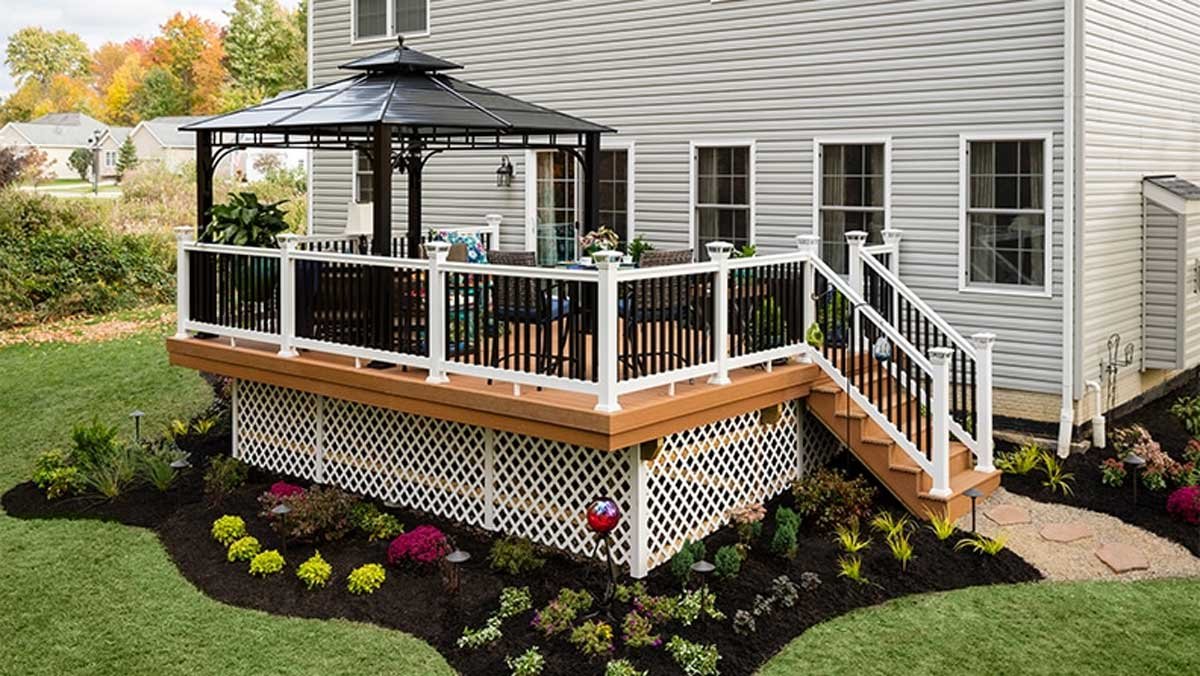

Building a custom deck for your home can be a transformative project. Whether you want to create a serene outdoor retreat or a functional space for family gatherings, a well-designed deck can elevate your property’s value and functionality. However, before diving into the design and construction phases, there are several important considerations to keep in mind. From understanding the materials and budget to navigating local regulations, taking the time to plan properly can help ensure a successful outcome. In this article, we will discuss key aspects to consider when planning your custom deck.
Table of Contents
Toggle1. Determine the Purpose of Your Deck
Before getting into any of the technicalities, it’s essential to define the purpose of your custom deck. What will you primarily use it for? Are you hoping to create a cozy space for relaxation, a place for entertaining guests, or an area for outdoor dining? The answers to these questions will guide your design choices, including size, shape, and layout. A deck designed for entertaining may need to include features like built-in seating, lighting, or space for a grill and outdoor kitchen, whereas a more relaxed deck may focus on privacy and a calm atmosphere.
Think about how your deck will complement your lifestyle. If you plan to host parties or family events, consider including ample space for guests to move around comfortably. On the other hand, if you’re seeking a personal retreat, a smaller, more intimate design could be just what you need. Additionally, think about any long-term needs—will you need space for future additions like a hot tub or outdoor furniture? Considering these factors upfront will help you create a deck that truly fits your needs.
2. Choose the Right Materials
One of the most significant decisions you’ll make when planning a custom deck is choosing the right materials. Decking materials range from traditional wood to modern composites and even aluminum. Each material has its own set of pros and cons, so it’s important to weigh these options carefully based on your needs, budget, and aesthetic preferences.
- Wood Decking: Traditional wood, such as pressure-treated lumber, cedar, or redwood, is a popular choice due to its natural appearance and relatively low cost. However, wood decks require regular maintenance, including staining, sealing, and cleaning to prevent damage from moisture, insects, and weathering.
- Composite Decking: Composite materials are made from a blend of wood fibers and plastic, offering the appearance of wood without the upkeep. They are more durable, resistant to rotting, and require less maintenance over time. However, they tend to be more expensive than wood options.
- PVC Decking: Similar to composite decking but made entirely from plastic, PVC decks are virtually maintenance-free, resistant to mold, and available in a variety of colors. However, they may lack the natural look of wood.
Choosing the right material will ultimately depend on your budget, how much time you are willing to spend on maintenance, and the look you want to achieve. Research each option carefully and consult with experts if needed.
3. Understand Local Building Codes and Regulations
Before beginning construction, it’s crucial to understand local building codes and regulations. These rules vary by location and can dictate everything from the deck’s height to the materials you can use. Most cities and towns require permits for decks, especially if they’re attached to the house or elevated.
Failing to obtain the necessary permits can lead to costly fines, or even require you to dismantle the deck entirely. In addition, building codes are put in place to ensure the safety and structural integrity of your deck. For example, the spacing between deck boards, the height of railings, and the strength of supports all fall under these regulations. Be sure to check with your local zoning office or visit authoritative resources such as HomeAdvisor for guidance on what regulations apply to your area.
Working with a professional contractor who is familiar with local codes can help streamline this process and ensure that your deck is built to code. Even if you plan to tackle the project yourself, understanding these requirements early on will save you from future headaches.
4. Set a Realistic Budget
Building a custom deck can range in cost, depending on factors such as size, materials, and the complexity of the design. Before starting, it’s essential to set a realistic budget that includes all the potential costs involved, including labor, permits, and materials.
Keep in mind that while it might be tempting to opt for cheaper materials or cut corners to save money, doing so may end up costing more in the long run due to repairs or replacements. It’s always wise to allocate a portion of your budget for unexpected expenses. For instance, if you’re building on uneven ground or if weather delays affect your timeline, costs may rise.
Additionally, if you’re hiring a contractor, get multiple quotes and make sure you understand what is included in each estimate. Always ensure that your budget reflects both the short-term costs of construction and the long-term maintenance of your deck.
5. Consider the Environment
The environment where your deck is being built plays a significant role in the design process. For example, a deck that will be exposed to direct sunlight all day might require different materials or protective finishes compared to one that will be shaded most of the time. Similarly, if your deck is near a coastal area or has exposure to saltwater, you’ll need materials that can withstand corrosion.
Take note of the climate in your area. If you experience heavy rains or humidity, opt for materials that resist moisture damage, such as composite or PVC decking. If you live in a particularly windy area, the deck may need additional support to prevent shifting. Additionally, think about any landscaping elements you want to integrate, such as surrounding plants or privacy screens.
6. Plan for Future Maintenance
Even if you choose low-maintenance materials like composite decking, it’s still important to think about the upkeep of your deck over the years. For example, wood decks require regular staining, cleaning, and sealing to protect against weather and wear. Be realistic about how much time and effort you’re willing to dedicate to this task.
A well-maintained deck can last for many years, while neglecting proper care can cause rapid deterioration. When planning your custom deck, consider whether you want to incorporate features that make maintenance easier, such as built-in cleaning systems or easy-to-replace boards.
7. Hire a Professional or DIY?
The decision to hire a professional contractor or take on the project yourself will depend on your skill level and the complexity of your deck design. While DIY can be more affordable, building a deck requires a solid understanding of construction techniques, tools, and local building codes. If you’re not confident in your abilities, it may be best to hire a professional contractor who can bring your vision to life and ensure that the deck is safe and durable.
When choosing a contractor, always check their credentials, references, and portfolio of previous work. A professional with experience in custom decks will help you navigate the complexities of design, materials, and local regulations.
Conclusion
Building a custom deck is a big project, but with the right planning, it can enhance both the beauty and value of your home. By considering the purpose of your deck, selecting the right materials, understanding local regulations, setting a realistic budget, and planning for maintenance, you can create an outdoor space that serves your needs for years to come. Take your time with the planning phase, consult professionals if necessary, and choose materials that will suit your lifestyle and environment.
Whether you’re designing a simple space for relaxation or an elaborate outdoor living area, the key is thoughtful planning. By addressing these considerations early on, you’ll ensure that your custom deck is not only beautiful but also functional and long-lasting.

Chase Durkish
Most Viewed