
Warehouse operations are the backbone of many businesses. The efficiency and speed of your warehouse directly impact your ability to meet customer demands and maintain profitability. One of the best ways to maximize operational performance is by upgrading your warehouse with premium tools and equipment. High-quality tools improve not just the speed and accuracy of tasks but also contribute to a safer, more organized working environment. If you’re ready to invest in your warehouse’s future, here are several key strategies to consider when upgrading with premium equipment.
Table of Contents
ToggleUnderstanding the Need for an Upgrade
Every warehouse, regardless of its size or function, has its own unique challenges. These challenges can range from outdated or inefficient equipment to lackluster productivity from employees. Over time, the tools that worked well for your business may start to fall behind. The result is often slowdowns, increased error rates, and higher operating costs.
Upgrading your warehouse equipment is not just a matter of replacing old machines with new ones. It’s about choosing tools that align with your long-term business goals. Premium equipment isn’t just about being flashy; it’s about providing the right tools to increase efficiency, reduce downtime, and ultimately, boost your bottom line. The key to a successful upgrade lies in understanding which areas of your warehouse require the most attention.
Assessing Your Current Equipment and Workflow
Before you dive into purchasing new equipment, it’s essential to assess your existing tools and workflow. Take a good look at your warehouse and identify bottlenecks or recurring issues. Does your team struggle with inefficient loading or unloading processes? Are there delays in inventory tracking? Perhaps your storage systems are outdated, leading to wasted time and space.
By identifying problem areas, you can prioritize which tools will deliver the most value. For instance, if you’re facing bottlenecks during the picking process, consider upgrading to automated picking systems or introducing more ergonomic solutions for your workers. If space utilization is an issue, consider high-density storage systems or better shelving options. Understanding your pain points will help you make smarter investments in premium equipment that addresses the root causes of inefficiency.
Selecting Premium Tools That Make a Difference
Once you’ve identified key areas for improvement, it’s time to focus on the types of premium tools and equipment that can address these problems. Here are some of the top categories of equipment to consider for your warehouse:
1. Automated Systems and Robotics
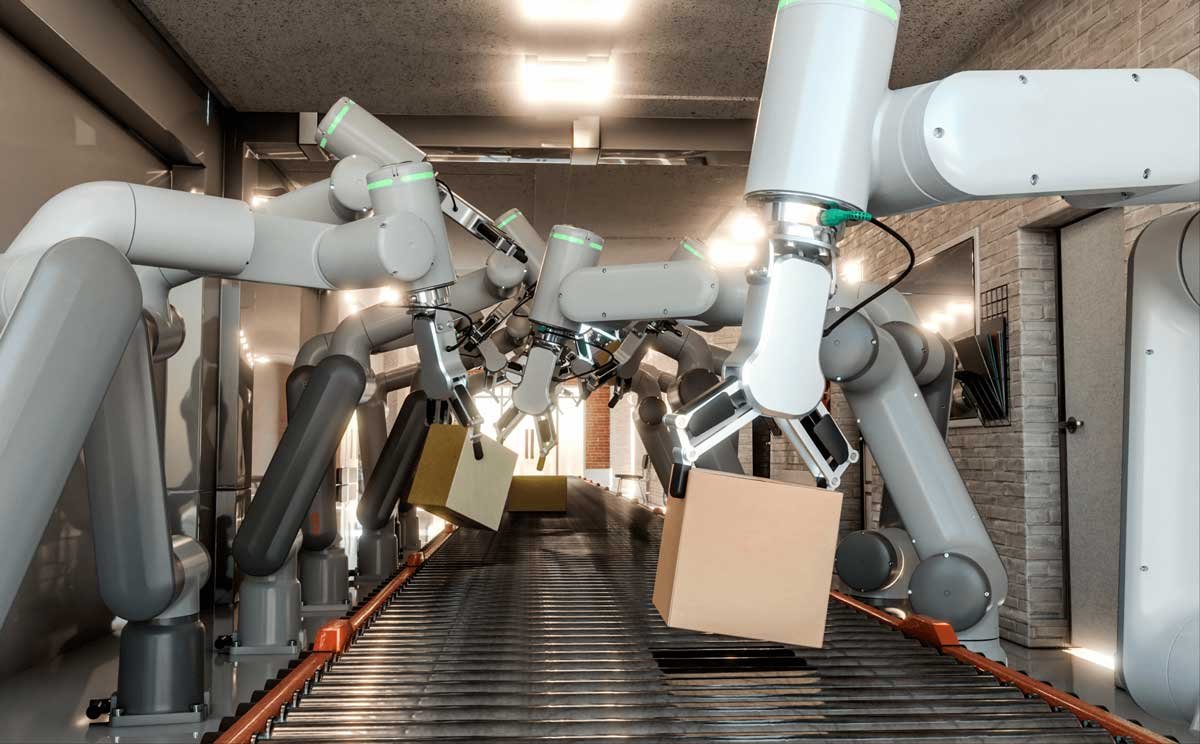
One of the most effective ways to upgrade your warehouse is through automation. Automated guided vehicles (AGVs), conveyor belts, and robotic systems can dramatically reduce the time it takes to move products and materials around the warehouse. These systems can work around the clock without fatigue, leading to increased productivity and reduced human error.
Automated systems also help reduce the risk of injuries caused by repetitive manual tasks, making your workplace safer. The use of robotics is especially useful for large warehouses with complex operations, enabling faster order fulfillment and improved accuracy.
2. Advanced Storage Solutions
Optimizing storage space is critical for improving warehouse efficiency. Premium storage solutions, like modular shelving, high-density racking, and automated retrieval systems, can help you make the most of your available space. These solutions allow for easy access to products, reduce the time spent searching for items, and can significantly increase storage capacity.
Incorporating smart storage systems, such as radio-frequency identification (RFID) tracking or barcode scanning, makes it easier to track inventory, manage stock levels, and reduce human error. These systems also allow for better forecasting and inventory management, ensuring your stock levels are always optimized.
3. Ergonomic Equipment for Employee Well-Being
A crucial aspect of upgrading your warehouse equipment involves the well-being of your employees. Providing ergonomic tools like adjustable workstations, lifting devices, and low-profile hoppers not only boosts employee comfort but also increases productivity by reducing physical strain.
Low-profile hoppers, for instance, allow workers to handle and transport bulk materials more efficiently. By minimizing bending and stretching, these hoppers can prevent workplace injuries, leading to fewer sick days and a happier, more productive workforce. Investing in ergonomically designed equipment shows that you value your employees’ health, which can improve morale and retention rates.
4. Fleet Management and Material Handling Equipment
A well-maintained fleet of forklifts, pallet jacks, and other material handling equipment is essential for any warehouse. Upgrading to the latest models with advanced features such as better fuel efficiency, safety sensors, and improved lift capacity can drastically enhance operations. Many premium models also come with smart technology, allowing for real-time tracking and management of equipment, which helps prevent downtime due to maintenance issues.
Additionally, investing in battery-powered or electric forklifts can be a great way to reduce your warehouse’s carbon footprint while also lowering energy costs. With the growing focus on sustainability, upgrading your material handling equipment to more energy-efficient models is a smart move for both financial and environmental reasons.
Implementing the New Equipment into Your Warehouse
Once you’ve made the decision to upgrade your warehouse equipment, it’s important to plan the implementation process carefully. The key here is minimizing disruption to your operations. Here are some best practices for a smooth transition:
- Training Your Workforce: Your employees will need training to use the new equipment efficiently. Invest time and resources in ensuring your team understands how to operate the new tools safely and effectively. This will reduce the learning curve and help you get the most value from your investment.
- Phased Rollouts: If you’re upgrading multiple systems, consider implementing the new equipment in phases. This allows you to test each new system in smaller batches before scaling it to the entire warehouse. Phased rollouts also give you time to address any issues that arise during the transition.
- Regular Maintenance and Calibration: Regular maintenance is essential to keep your new equipment running smoothly. Ensure that your team has a schedule for routine checks and that any necessary calibrations are performed promptly. Proper upkeep will extend the lifespan of your equipment and prevent unexpected breakdowns.
Monitoring Performance and Measuring Success
After upgrading your warehouse with premium tools and equipment, it’s vital to monitor performance closely. Use key performance indicators (KPIs) to assess whether the investment is delivering the expected benefits. Metrics such as order fulfillment time, inventory accuracy, and employee productivity will give you a clear picture of how well your upgrades are working.
Additionally, look for ways to continuously improve. Warehouse operations are constantly evolving, and staying ahead of the curve means always being open to new technologies and better equipment. Regularly reassess your processes and invest in new tools as needed to maintain maximum efficiency.
Conclusion
Upgrading your warehouse with premium equipment is an investment that can yield significant returns in the form of higher productivity, fewer errors, and a safer working environment. By selecting the right tools and systems for your warehouse’s specific needs, you can ensure your operations are running at peak performance.

Chase Durkish
Most Viewed