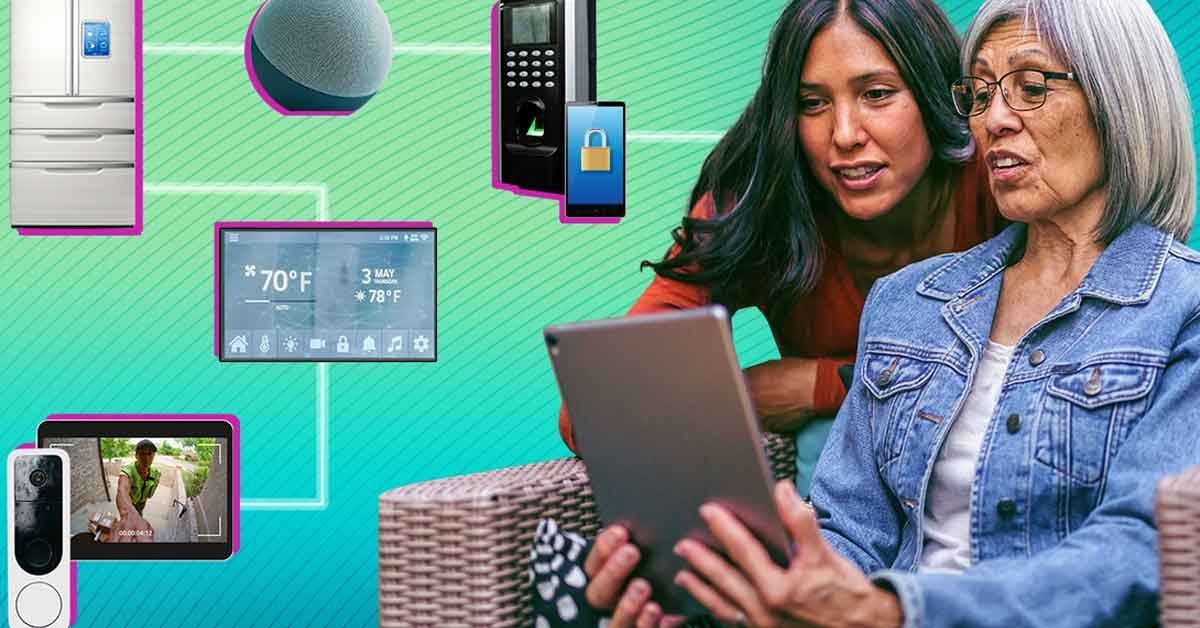

In the contemporary residential real estate market, smart home appliances and devices have transitioned from a luxury feature to a fundamental requirement for modern homes. As technology continues to evolve, the range of smart home appliances available has expanded significantly, offering a comprehensive approach to improving the quality of life for residents. From smart refrigerators and washing machines to integrated climate control and voice-activated assistants, these devices provide a multi-layered approach to creating a more comfortable and secure living environment. However, understanding the lifecycle of these smart home appliances and devices is essential for maximizing their performance and reliability. This article explores the most significant ways that smart home appliances and devices are revolutionizing modern housing, focusing on their role in durability, technology, and the evolving expectations of modern buyers.
Table of Contents
ToggleThe Philosophy of Smart Home Appliance Lifecycle
The primary objective of understanding the lifecycle of smart home appliances and devices is to ensure their long-term performance and reliability while simultaneously reducing the risk of downtime and costly repairs. In a competitive market, a home with well-maintained smart home appliances stands out by offering a level of convenience and control that traditional properties cannot match. This differentiation is a key factor in determining the property’s marketability and long-term value.
| Smart Home Appliance Category | Primary Lifecycle Stage | Impact on Performance |
| Smart Refrigerators | Regular software updates and filter replacement | High (system stability) |
| Washing Machines | Regular cleaning and sensor calibration | High (efficiency) |
| Integrated Climate Control | Filter replacement and system inspections | Moderate to High (comfort) |
| Voice-Activated Assistants | Regular software updates and device reboots | High (connectivity) |
By prioritizing smart home appliance lifecycle management, homeowners can ensure their properties remain relevant in an increasingly digital world.
Regular Software Updates and Filter Replacement for Refrigerators
One of the most important lifecycle management tasks for smart refrigerators is regular software updates. These updates often include bug fixes, security patches, and new features that can improve the performance and reliability of the system. Homeowners should check for updates regularly and install them as soon as they become available.
“Smart home appliances are not just about technology; they are about the resident experience. By providing a more precise and efficient way to manage the home, well-maintained smart home appliances can significantly improve the overall quality of life.”
Filter replacement is another key lifecycle management task for smart refrigerators. Filters are used in a variety of systems, such as water and air filtration, to ensure that the refrigerator is providing clean and healthy water and air. Over time, filters can become clogged and less effective, leading to decreased performance and efficiency. Regular filter replacement can ensure that the refrigerator is performing as intended.
Regular Cleaning and Sensor Calibration for Washing Machines
Smart washing machines are another critical component of any high-tech home. They provide a comprehensive approach to laundry, using a network of sensors and devices to monitor the environment and adjust the system accordingly. Maintaining these machines involves regular cleaning to ensure that the machine is free of dirt and grime, as well as sensor calibration to ensure that the sensors are providing accurate data.
By prioritizing washing machine maintenance, homeowners can ensure their properties are protected and that their residents have peace of mind. This can lead to increased resident satisfaction and retention, as well as a more positive and memorable living experience.
Filter Replacement and System Inspections for Climate Control
Integrated climate control systems are another important aspect of smart home appliances. They provide a comprehensive approach to building safety, using a network of sensors and devices to monitor the property and alert residents and authorities to any potential threats. Maintaining these systems involves regular filter replacement to ensure that the system is providing clean and healthy air, as well as system inspections to ensure that the system is functioning correctly.
By prioritizing climate control maintenance, homeowners can ensure their properties are protected and that their residents have peace of mind. This can lead to increased resident satisfaction and retention, as well as a more positive and memorable living experience.
The Evolution of Smart Home Appliance Technology
Smart home appliance technology is constantly evolving, with new features and capabilities being added all the time. Some modern appliance systems offer advanced monitoring and control, providing detailed information on appliance performance and potential issues. Others offer integration with other smart home devices, such as smart thermostats and smart lighting, to create a more cohesive and efficient maintenance process.
As the demand for smart home appliances continues to grow, these lifecycle management solutions will remain a key driver of innovation and success. They provide a simple and effective way for homeowners to improve their appliance performance and reliability and reduce their maintenance costs.
Conclusion: Lifecycle Management as a Strategic Tool
In conclusion, understanding the lifecycle of smart home appliances and devices is a powerful tool for improving the quality of life for modern homeowners. By focusing on regular software updates, filter replacement, cleaning, and sensor calibration, homeowners can significantly improve the performance and reliability of their smart home appliances. These lifecycle management tasks not only provide immediate practical benefits but also enhance the long-term value and marketability of the property. As the residential real estate market continues to evolve, well-maintained smart home appliances will remain a critical factor in determining the success and sustainability of modern properties. Investing in smart home appliance lifecycle management is a strategic decision that pays off in the long run through improved performance and reduced costs.

Chase Durkish
Most Viewed