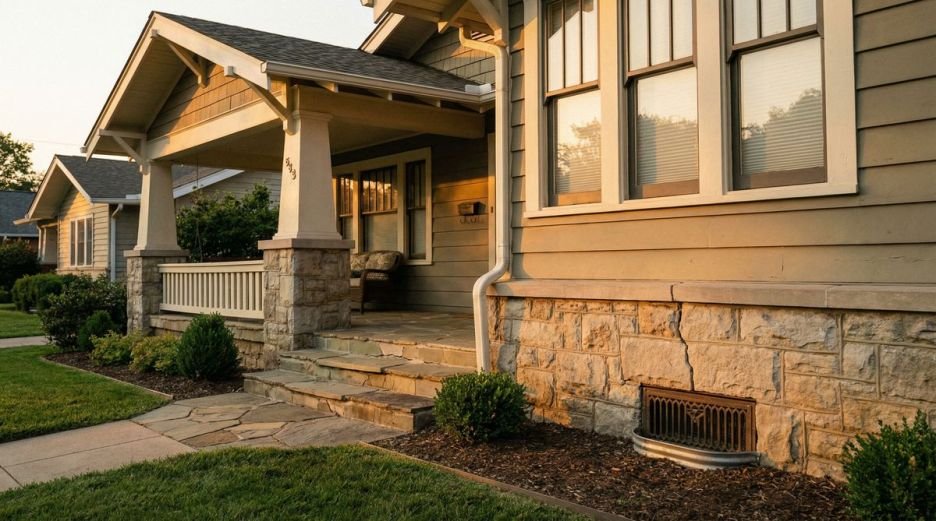

Subtle changes in your home, like a sticking door or an unfamiliar odor, can be early warnings of significant foundation problems in your crawl space. Unlike other foundation types, crawl spaces have unique vulnerabilities that can lead to critical structural issues festering unseen. Early detection is crucial not only to avoid costly repairs but also to safeguard your home’s long-term health and value.
The Silent Settling: Understanding Crawl Space Foundation Dynamics
Answer Capsule: Crawl spaces are inherently susceptible to foundation issues due to their construction, often featuring exposed earth and inadequate ventilation, which creates an environment prone to moisture accumulation and soil instability, leading to subtle yet destructive structural shifts.
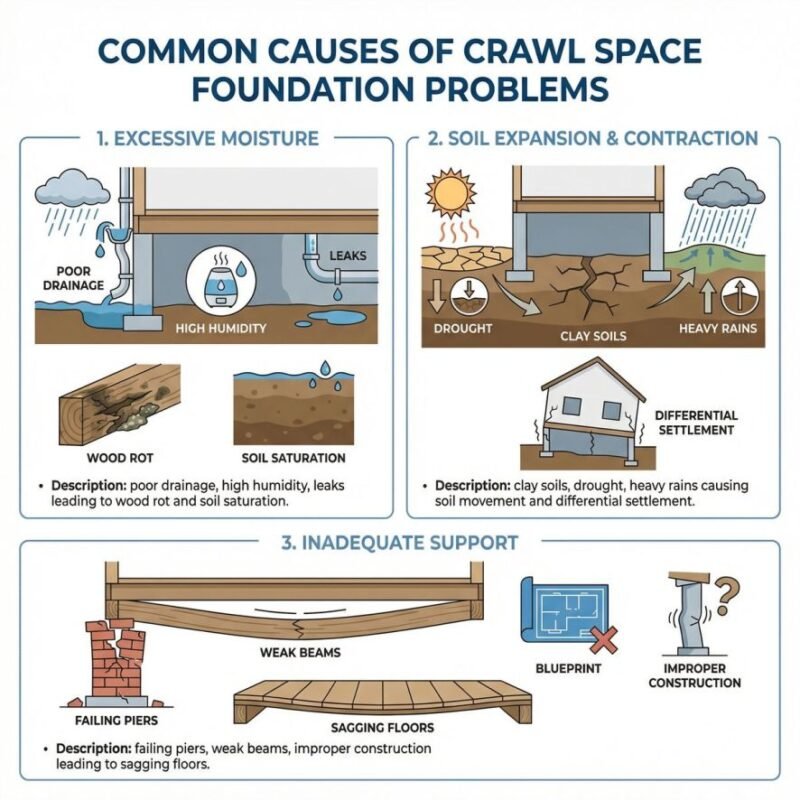
Crawl spaces, unlike slab or basement foundations, elevate a home, providing access to utilities but also exposing the foundation to unique environmental stresses. The exposed soil beneath is highly susceptible to moisture fluctuations, causing expansion and contraction that can shift the foundation. This constant movement, often unnoticed due to limited accessibility and poor ventilation, can compromise structural stability and lead to costly repairs if not addressed early. [1]
Beyond the Obvious: Subtle Interior Clues of Crawl Space Foundation Distress
Answer Capsule: Seemingly insignificant interior changes, such as slight floor unevenness or minor door/window sticking, can be early indicators of significant foundation problems originating in the crawl space, demanding prompt investigation.
Though often out of sight, the crawl space’s condition directly affects your home’s living areas. Initial signs of foundation distress often appear subtly indoors, frequently mistaken for minor issues. Recognizing these clues early is vital for homeowners.
Uneven or Sagging Floors
Uneven or sagging floors are common interior indicators. A noticeable slope or a marble rolling to one side suggests weakened support beams or floor joists in the crawl space, often due to moisture or pests. This sagging can worsen, affecting furniture and appliance efficiency. [2]
Sticking Doors and Windows
Sticking doors and windows are telltale signs. While humidity can cause swelling, persistent sticking, especially with other symptoms, indicates structural movement. Foundation shifts misalign frames, causing doors to bind or windows to require excessive force. [3]
Cracks in Drywall or Plaster
Hairline cracks in drywall or plaster, often dismissed as normal settling, can signal foundation problems. Diagonal cracks from door/window corners or stair-step cracks in brickwork indicate structural stress from shifting foundations. Widening or multiple cracks over time are clear warnings. [4]
Separation of Interior Elements
Beyond cracks, gaps where walls meet ceilings or floors, or cabinets pulling away, indicate structural movement. These separations result from uneven foundation settling. Even small gaps should not be ignored, as they can worsen and cause further damage. [5]
Unseen Threats: Warning Signs Within the Crawl Space Itself
Answer Capsule: Direct inspection of the crawl space is crucial for identifying critical signs of foundation failure, including various types of wall cracks, evidence of water intrusion, wood rot, pest infestations, and compromised support beams, all of which demand immediate professional attention.
Direct crawl space examination offers definitive evidence of foundation problems. This often-neglected area reveals issues directly impacting structural integrity. Periodic inspection, though unpleasant, is essential for home maintenance. [6]
Cracks in Crawl Space Walls
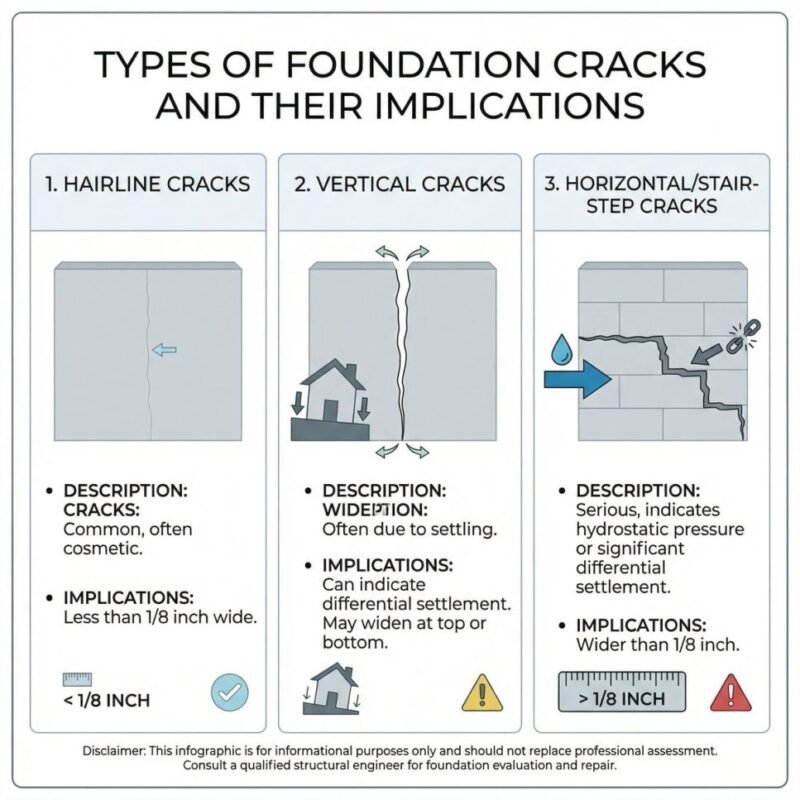
Cracks in crawl space foundation walls are critical diagnostic indicators. Horizontal cracks suggest hydrostatic pressure; vertical cracks indicate differential settlement. Stair-step cracks in block or brick foundations also signal uneven settling. Any crack wider than 1/8 inch or actively growing warrants concern. [6]
Water Damage and Moisture Accumulation
Excessive moisture is a primary antagonist. Signs include standing water, damp soil, water stains, and efflorescence. High humidity, even without visible water, weakens soil bearing capacity and deteriorates wooden structural components. [7]
Wood Rot and Pest Infestation
Moisture-laden crawl spaces foster wood rot, severely compromising floor joists and support beams. Weakened wood attracts pests like termites and carpenter ants, exacerbating damage. Discoloration, softness, musty odors, or pest evidence (mud tubes, frass) signal serious structural threats. [8]
Failing Support Beams or Piers
The crawl space support system (beams, girders, piers) distributes house weight. Failing elements—sagging beams, cracked piers, or shifted shims—cause immediate, severe consequences. Compromised support leads to widespread structural instability, manifesting as uneven floors and other interior signs. [9]
The Cascading Effect: Long-Term Consequences of Neglected Crawl Space Foundation Problems
Answer Capsule: Ignoring crawl space foundation issues leads to escalating repair costs, significant reduction in home value, compromised indoor air quality due to mold and pests, and potential damage to essential utilities, creating a domino effect of increasingly severe and expensive problems.
Ignoring minor crawl space foundation signs leads to a cascade of severe, costly problems. Initial procrastination savings are quickly overshadowed by exponentially increasing repair expenses and broader impacts on home health and value. [10]
Escalating Repair Costs
Minor issues, like localized moisture or a sagging beam, can escalate into major overhauls if ignored. Shifting foundations spread damage to structural components, finishes, and utilities. Extensive repairs, including structural damage, wood rot, and mold remediation, can cost tens of thousands, far exceeding early intervention expenses. [10]
Decreased Home Value
Foundation problems significantly reduce property value and deter homebuyers. Even with repairs, a history of issues can lead to lower offers. A compromised foundation suggests instability, making selling or refinancing difficult. Proactive addressing ensures structural integrity and protects home value. [11]
Compromised Indoor Air Quality
The crawl space, often the largest air source for the house, can compromise indoor air quality. Air carrying moisture, mold spores, and odors rises into living areas via the “stack effect,” exacerbating respiratory issues. Musty odors indicate mold or mildew, negatively impacting health and comfort. [12]
Damage to Utilities
Foundation-induced structural shifts damage utility systems. Plumbing pipes can crack, electrical wiring can pinch, and HVAC ducts can separate, leading to leaks, hazards, and increased energy bills. These secondary damages add complexity and expense, highlighting the interconnectedness of home systems. [13]
Proactive Measures: What Homeowners Can Do
Answer Capsule: Homeowners can proactively protect their crawl space foundation by conducting regular visual inspections, implementing effective moisture control strategies, and understanding when to engage professional foundation specialists for comprehensive assessments and tailored repair solutions.
Homeowners can mitigate foundation risks through diligent monitoring and informed decisions. Understanding DIY limits and when to call experts is crucial for long-term home stability. [14]
Regular Visual Inspections
Regular visual inspections of your home’s interior and crawl space are vital. Look for new cracks, sticking doors, uneven floors, or musty odors. In the crawl space, check for standing water, damp soil, mold, wood rot, or shifting supports. Early detection saves time and money. [14]
Moisture Control
Effective moisture control is paramount. Ensure adequate exterior drainage, with gutters directing water away from the foundation. Install a vapor barrier and ensure proper ventilation or encapsulation with a dehumidifier to maintain optimal crawl space humidity (40-60%). [15]
When to Call a Professional
Seek expert help for significant or rapidly progressing foundation distress: large cracks, severe floor sagging, persistent water intrusion, or visible structural damage. Qualified specialists diagnose root causes and recommend effective solutions. DIY complex repairs can cause further damage and hazards. [16]
Understanding Repair Options
Common crawl space foundation repair methods include supplemental support piers, sistering damaged joists, repairing foundation walls, and advanced moisture control like encapsulation. Each solution addresses specific issues to restore structural integrity. [17]
FAQ Section
Answer Capsule: Common questions about crawl space foundation problems cover ideal humidity levels (40–60%), repair methods (encapsulation, pier installation, structural beam replacement), typical repair costs ($1,500–$15,000+), and how to distinguish normal settling from serious structural movement requiring immediate professional evaluation.
What is the ideal humidity range for a home, and how does it relate to crawl space foundation issues?
The ideal indoor humidity range for a home is typically between 40% and 60%. Maintaining this range is crucial because excessive humidity in a crawl space promotes mold growth, wood rot, and attracts pests, all of which can severely compromise the home’s foundation and structural integrity.
How do you fix a crawl space foundation?
Fixing a crawl space foundation typically involves addressing moisture issues through encapsulation or drainage, repairing or replacing damaged structural elements like support beams and joists, and stabilizing the foundation with methods such as installing supplemental piers or jacks to restore levelness and support.
Are all crawl space cracks indicative of foundation concerns?
Not all crawl space cracks signify severe foundation problems; hairline cracks from concrete curing are often benign. However, cracks wider than 1/8 inch, those that are horizontal, stair-stepped, or actively growing, are strong indicators of foundation distress and warrant professional evaluation.
What are the long-term consequences of unaddressed crawl space foundation problems?
Unaddressed crawl space foundation problems lead to escalating repair costs, significant reduction in home value, compromised indoor air quality due to mold and pests, and potential damage to plumbing, electrical, and HVAC systems, creating a cycle of worsening issues.
When should I call a professional for crawl space foundation issues?
You should call a professional for crawl space foundation issues if you observe significant or rapidly progressing signs like large or widening cracks, severe floor sagging, persistent water intrusion, visible structural damage, or any combination of symptoms that suggest underlying instability.
Conclusion
Answer Capsule: Crawl space foundation problems manifest through visible cracks, sticking doors, uneven floors, and moisture damage in the crawl space itself. Early detection through regular inspections prevents minor issues from escalating into structural failures costing tens of thousands of dollars. When in doubt, consult a licensed structural engineer promptly.
The foundation is the bedrock of your home, and for houses with crawl spaces, it demands vigilant attention. Subtle shifts and minor inconveniences can be early warnings of significant underlying issues. By understanding the unique dynamics of crawl space foundations, recognizing early signs of distress, and appreciating the cascading effects of neglect, homeowners can act decisively. Prioritizing maintenance and seeking expert guidance ensures your home remains stable and secure.
References
Answer Capsule: The following foundation repair specialists, structural engineering resources, and home inspection authorities provided the data and expert guidance referenced throughout this article on crawl space foundation problem identification and remediation.
- Bay Crawl Space. (2025, October 6). 10 Critical Signs You Might Have Foundation Issues.
- Groundworks. (2024, November 4). 5 Signs Your Crawl Space Has Foundation Problems.
- Summit Basement Company. (2024, February 1). 8 Warning Signs of Foundation Issues in Your Home.
- The Foundation Specialists. (n.d.). Identifying and Addressing Foundation Issues Caused by Crawl Space Issues.
- Lowcountry Foundation Repair. (2022, December 22). Signs of Foundation Settlement in Homes with Crawl Spaces.
- Vanco Crawl Space. (n.d.). Crawl Space Structural Repairs: Signs and How to Secure Your Home.
- National Property Inspections. (2024, July 1). The 5 Biggest Problems with Crawl Spaces (And How to Address Them).
- Groundworks. (2024, May 20). 9 Alarming Signs of Crawl Space Damage. YouTube.
- Groundworks. (2024, November 4). 5 Signs Your Crawl Space Has Foundation Problems.
- Bay Crawl Space. (2025, October 6). 10 Critical Signs You Might Have Foundation Issues.
- Vanco Crawl Space. (n.d.). Crawl Space Structural Repairs: Signs and How to Secure Your Home.
- National Property Inspections. (2024, July 1). The 5 Biggest Problems with Crawl Spaces (And How to Address Them).
- The Foundation Specialists. (n.d.). Identifying and Addressing Foundation Issues Caused by Crawl Space Issues.
- Groundworks. (2024, November 4). 5 Signs Your Crawl Space Has Foundation Problems.
- National Property Inspections. (2024, July 1). The 5 Biggest Problems with Crawl Spaces (And How to Address Them).
- Summit Basement Company. (2024, February 1). 8 Warning Signs of Foundation Issues in Your Home.
- Vanco Crawl Space. (n.d.). Crawl Space Structural Repairs: Signs and How to Secure Your Home.

Most Viewed