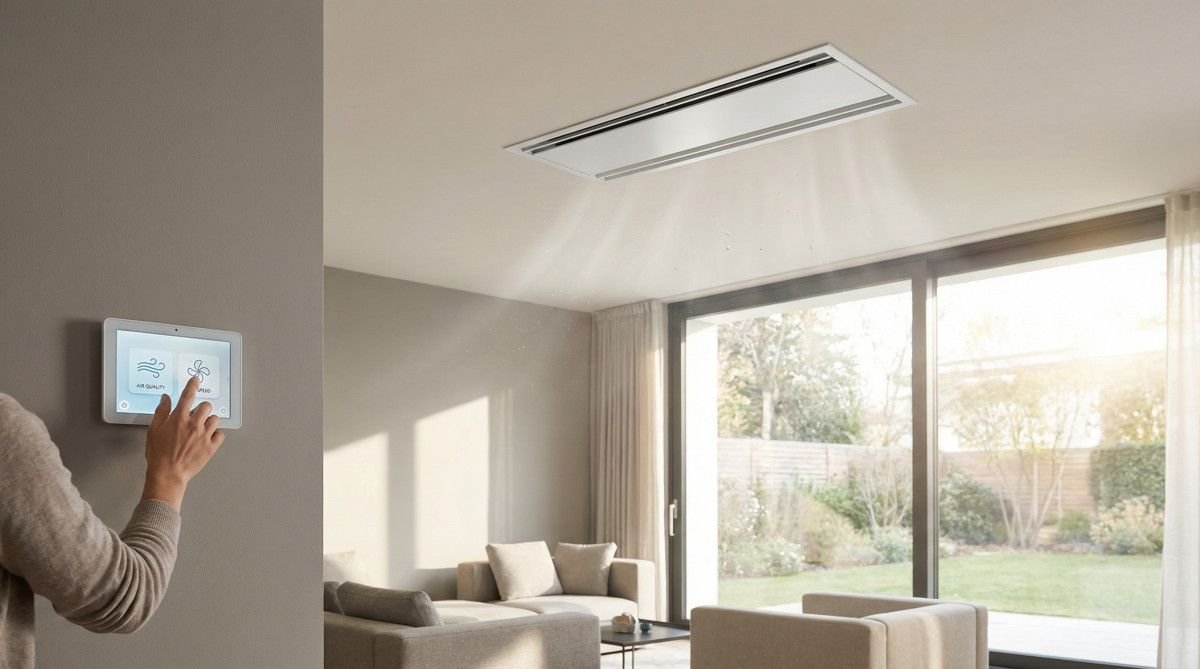

Effective ventilation system optimization significantly improves indoor air quality by continuously replacing stale indoor air with fresh outdoor air, thereby reducing concentrations of pollutants, allergens, and excess humidity. This process is crucial for maintaining a healthy living environment, preventing respiratory issues, and enhancing overall comfort within residential and commercial buildings. Proper optimization ensures energy efficiency while delivering consistent air exchange rates tailored to specific occupancy and environmental conditions.
Achieving optimal indoor air quality requires a comprehensive approach to ventilation that goes beyond simple air conditioning or heating. It involves assessing existing systems, identifying areas for improvement, and implementing solutions that balance air exchange with energy consumption. Understanding the various components and their functions is fundamental to creating a truly effective and sustainable indoor climate.
The goal of optimizing a ventilation system is to create a continuous flow of clean, fresh air throughout a building, minimizing the presence of airborne contaminants. This proactive management of indoor air quality contributes directly to the well-being of occupants and the longevity of the building structure itself. Strategic adjustments and upgrades can yield substantial benefits.
Understanding the Core Concepts of Ventilation System Optimization
Ventilation system optimization fundamentally involves fine-tuning mechanical and natural air exchange mechanisms to achieve ideal indoor air quality and thermal comfort while minimizing energy consumption. This process ensures that a building receives an adequate supply of fresh air, effectively diluting and removing indoor pollutants such as volatile organic compounds (VOCs), carbon dioxide, and particulate matter. It also addresses humidity control, which is vital for preventing mold growth and maintaining structural integrity, thereby creating a healthier and more comfortable living or working environment for occupants.
The core concept revolves around balancing airflow, filtration, and energy recovery. An optimized system does not simply move air; it conditions it, filters it, and recovers energy from exhaust air to pre-condition incoming fresh air. This holistic approach considers the building envelope, occupant activities, and external environmental factors to design a system that is both effective and efficient. Regular assessment and adjustment are key to maintaining this balance over time.
Key elements include understanding air change rates, pressure differentials, and the specific needs of different zones within a building. A well-optimized system prevents stagnant air pockets and ensures uniform distribution of fresh air. It integrates seamlessly with heating, ventilation, and air conditioning (HVAC) systems to provide a cohesive climate control solution.
Key Factors and Types of Ventilation Systems for Optimization
Selecting the appropriate ventilation system type and considering critical design factors are paramount for successful ventilation system optimization, ensuring that a building’s specific needs for air exchange, energy efficiency, and pollutant removal are met effectively. Different systems offer distinct advantages in terms of air quality, energy recovery, and installation complexity, making a comparative analysis essential for informed decision-making. Factors such as climate, building size, occupancy levels, and existing HVAC infrastructure significantly influence the optimal choice and configuration of a ventilation solution, directly impacting long-term operational costs and occupant health.
The primary types of ventilation systems include exhaust-only, supply-only, balanced, and energy recovery systems. Each has unique characteristics that make it suitable for different applications. Understanding these differences is crucial for selecting the most effective and efficient solution for a given property.
Beyond system type, critical factors for optimization include ductwork design, fan efficiency, filter selection, and control strategies. Proper sizing and sealing of ducts prevent air leakage and ensure efficient distribution. High-efficiency fans reduce energy consumption, while appropriate filters capture airborne particles and allergens. Advanced control systems allow for demand-controlled ventilation, adjusting airflow based on occupancy or indoor air quality sensors.
| Ventilation System Type | Description | Key Advantages | Key Disadvantages |
|---|---|---|---|
| Exhaust-Only Systems | Mechanically exhausts indoor air, creating negative pressure that draws outdoor air in through leaks and passive vents. | Simple, inexpensive to install, effective for targeted pollutant removal (e.g., bathrooms, kitchens). | Uncontrolled air intake, potential for drawing in unfiltered air and moisture, less energy efficient. |
| Supply-Only Systems | Mechanically brings outdoor air into the building, creating positive pressure that forces indoor air out through leaks and passive vents. | Controlled outdoor air intake, can filter incoming air, helps pressurize building to prevent infiltration. | Can introduce unconditioned air, potentially increasing heating/cooling loads, less effective at targeted pollutant removal. |
| Balanced Systems | Mechanically supplies and exhausts equal amounts of air, maintaining neutral pressure within the building. | Controlled air exchange, can filter both incoming and outgoing air, good for overall indoor air quality. | More complex and expensive than exhaust-only or supply-only, no energy recovery. |
| Energy Recovery Ventilators (ERVs) | Balanced systems that transfer heat and moisture between incoming and outgoing air streams, reducing energy loss. | Excellent energy efficiency, maintains indoor humidity levels, superior indoor air quality. | Higher initial cost, requires more maintenance, larger footprint. |
| Heat Recovery Ventilators (HRVs) | Balanced systems that transfer heat (but not moisture) between incoming and outgoing air streams. | Very good energy efficiency in colder climates, prevents excessive humidity buildup, good indoor air quality. | Higher initial cost, requires more maintenance, less effective in humid climates for moisture control. |
Step-by-Step Process for Effective Ventilation System Optimization
Implementing a structured, step-by-step process is essential for effective ventilation system optimization, ensuring that all critical aspects from initial assessment to ongoing maintenance are systematically addressed. This methodical approach begins with a thorough evaluation of existing conditions and culminates in a fine-tuned system that consistently delivers superior indoor air quality and energy performance. Each stage builds upon the previous one, guaranteeing a comprehensive and sustainable improvement in the building’s ventilation efficacy and occupant well-being.
The process typically starts with an initial assessment. This involves inspecting the current ventilation system, identifying existing issues such as inadequate airflow, excessive noise, or poor filtration. Air quality testing can pinpoint specific pollutants or humidity problems, providing a baseline for improvement. Understanding the building’s construction and occupancy patterns is also crucial at this stage.
Following the assessment, design and planning take place. This includes selecting appropriate ventilation technologies, sizing components correctly, and designing ductwork for optimal airflow. Consideration of energy recovery options, such as HRVs or ERVs, is vital for long-term efficiency. The plan should also integrate with existing HVAC systems and building automation controls.
Installation or upgrade is the next phase. This involves the careful implementation of new components or modifications to existing ones. Proper sealing of ductwork, correct fan installation, and accurate sensor placement are critical for system performance. Commissioning and testing follow, ensuring that the system operates as designed and meets all performance specifications. This includes balancing airflow, verifying control sequences, and confirming air change rates.
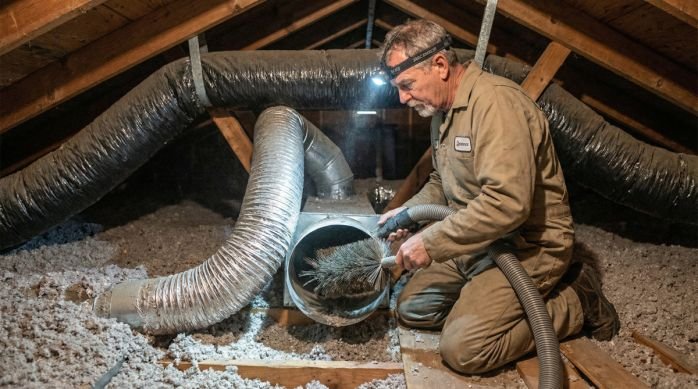
Finally, ongoing monitoring and maintenance are indispensable. Regular filter changes, duct cleaning, and component inspections prevent performance degradation. Monitoring indoor air quality with sensors can provide real-time data, allowing for proactive adjustments and ensuring the system continues to operate at peak efficiency. This continuous cycle ensures sustained benefits.
Common Problems and Troubleshooting in Ventilation System Optimization
Addressing common problems and implementing effective troubleshooting strategies are critical aspects of ventilation system optimization, ensuring that performance issues are quickly identified and resolved to maintain optimal indoor air quality and energy efficiency. Typical challenges include inadequate airflow, excessive noise, persistent humidity issues, and unexpected energy consumption spikes, each requiring a systematic diagnostic approach. Proactive identification and correction of these issues prevent long-term damage to the building and safeguard occupant health, making troubleshooting an integral part of system management.
One frequent issue is insufficient airflow. This can stem from clogged filters, blocked ducts, or an undersized fan. Troubleshooting involves checking filter cleanliness, inspecting ductwork for obstructions or leaks, and verifying fan operation. Airflow meters can help quantify the problem and confirm the effectiveness of solutions. Ensuring proper duct sealing is also vital.
Excessive noise is another common complaint. This might be caused by vibrating components, improperly installed fans, or high air velocity through ducts. Solutions include isolating vibrating parts, balancing fan blades, and ensuring ductwork is appropriately sized and insulated. Acoustic dampeners can also be installed to mitigate sound transmission.
Persistent humidity problems, either too high or too low, indicate an imbalance in the system. High humidity can lead to mold, while low humidity can cause discomfort. Troubleshooting involves checking the operation of humidifiers or dehumidifiers, verifying proper energy recovery core function in ERVs, and ensuring adequate fresh air exchange rates. Adjusting system controls based on indoor and outdoor humidity levels is often necessary.
Unexpected increases in energy consumption can point to inefficiencies. This could be due to dirty coils, malfunctioning sensors, or improper system scheduling. Diagnosing involves cleaning heat exchange coils, calibrating or replacing faulty sensors, and reviewing the system’s operational schedule to ensure it aligns with occupancy patterns. Regular professional inspections can help prevent these issues.
Long-Term Benefits and Maintenance Tips for Optimized Ventilation
Sustaining the long-term benefits of ventilation system optimization requires diligent maintenance and a clear understanding of the advantages gained, ensuring continuous superior indoor air quality, reduced energy costs, and enhanced occupant health and comfort. Regular upkeep protects the initial investment and extends the lifespan of the system, preventing costly repairs and maintaining peak operational efficiency. Adhering to a consistent maintenance schedule is paramount for preserving the environmental and economic advantages derived from a well-optimized ventilation infrastructure, contributing to a healthier and more sustainable building.
The primary long-term benefit is consistently high indoor air quality. This translates to fewer airborne allergens, pollutants, and odors, significantly reducing the risk of respiratory illnesses and improving overall well-being. Occupants experience fewer headaches, less fatigue, and enhanced cognitive function in environments with optimized ventilation.
Another significant advantage is substantial energy savings. By integrating energy recovery technologies like HRVs or ERVs, the system pre-conditions incoming fresh air, reducing the load on heating and cooling systems. This leads to lower utility bills and a smaller carbon footprint, making the building more environmentally friendly and economically sustainable over its operational life.
Maintenance tips are straightforward but crucial. Regularly replace or clean air filters according to manufacturer recommendations, typically every 1-3 months, to ensure optimal airflow and filtration efficiency. Inspect and clean ductwork periodically to prevent dust and debris buildup, which can restrict airflow and harbor contaminants. Check and clean heat exchange cores in HRVs/ERVs annually to maintain energy recovery performance.
Furthermore, ensure that all outdoor air intakes and exhaust vents are clear of obstructions like leaves or snow. Periodically test and calibrate sensors for CO2, humidity, and VOCs to ensure accurate readings and responsive system control. Professional inspections and tune-ups every 1-2 years can identify potential issues before they become major problems, preserving the system’s efficiency and longevity.
Frequently Asked Questions
What is the primary goal of ventilation system optimization?
The primary goal of ventilation system optimization is to achieve and maintain optimal indoor air quality by effectively exchanging stale indoor air with fresh outdoor air, while simultaneously minimizing energy consumption. This balance ensures a healthy, comfortable, and energy-efficient indoor environment for all occupants. It also aims to control humidity levels and reduce the concentration of airborne pollutants.
How does ventilation optimization impact energy efficiency?
Ventilation optimization significantly impacts energy efficiency by integrating technologies like Heat Recovery Ventilators (HRVs) or Energy Recovery Ventilators (ERVs). These systems recover heat and/or moisture from exhaust air to pre-condition incoming fresh air, reducing the energy load on heating and cooling systems. This leads to lower utility costs and a more sustainable operation.
What are the signs of a poorly optimized ventilation system?
Signs of a poorly optimized ventilation system include persistent stuffy or stale indoor air, noticeable odors, excessive indoor humidity leading to condensation or mold growth, frequent allergy symptoms among occupants, and unusually high energy bills. Drafts or uneven temperature distribution can also indicate ventilation issues.
Can I optimize my existing ventilation system, or do I need a new one?
In many cases, existing ventilation systems can be significantly optimized through upgrades, modifications, and proper maintenance rather than requiring a complete replacement. This might involve improving ductwork, installing better filters, adding energy recovery units, or upgrading controls. A professional assessment can determine the most cost-effective approach.
How often should I perform maintenance on an optimized ventilation system?
For an optimized ventilation system, it is recommended to replace or clean air filters every 1-3 months, inspect and clean ductwork annually, and have professional inspections and tune-ups every 1-2 years. Energy recovery cores should also be cleaned annually. Regular maintenance ensures continued peak performance and longevity.
Achieving superior indoor air quality through meticulous ventilation system optimization is a vital investment in both health and property value. By understanding the core principles, selecting appropriate technologies, and committing to ongoing maintenance, building owners can create environments that are not only comfortable and healthy but also remarkably energy efficient. The continuous benefits of fresh, clean air and reduced operational costs underscore the importance of a well-designed and diligently managed ventilation strategy for any modern structure.

Most Viewed