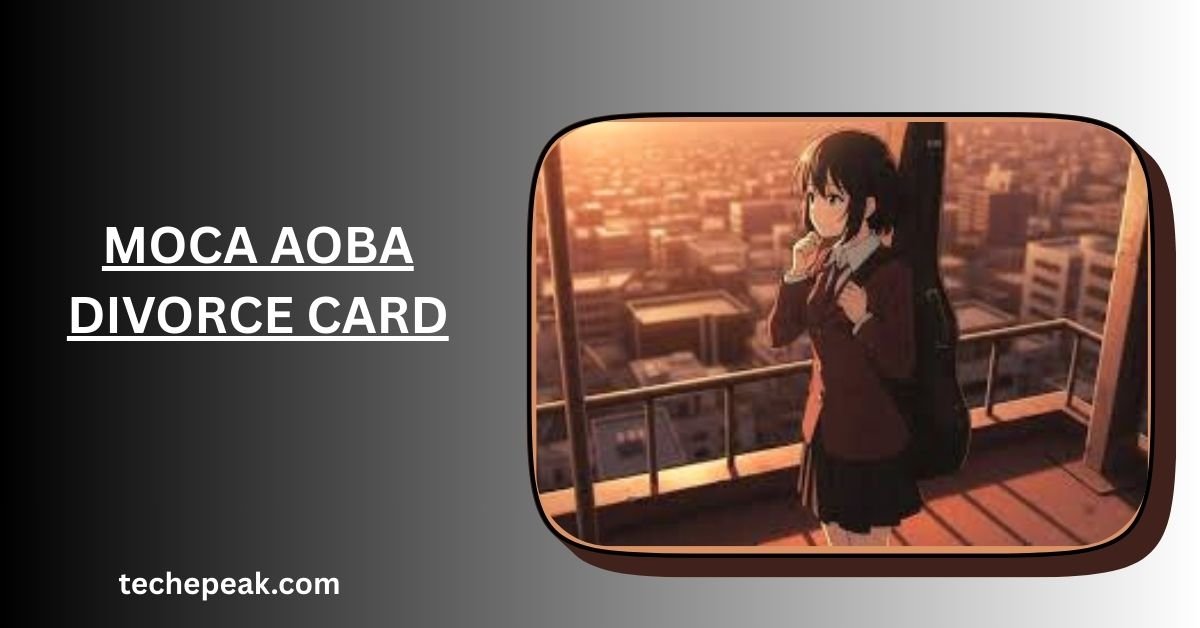

The phrase Moca Aoba divorce card has become one of the strangest yet most talked-about memes inside the BanG Dream! (Bandori) fan community. While no such card exists in the official game, fans have turned this odd idea into a running joke, a parody, and even a point of discussion in meme blogs and community forums. To understand why the concept caught fire, it’s essential to look at who Moca Aoba is, how “cards” function in the BanG Dream! universe, and how fans created the so-called divorce card as an absurd but lasting in-joke.
Table of Contents
ToggleQuick Facts: Moca Aoba
| Attribute | Detail |
| Name | Moca Aoba |
| Franchise | BanG Dream! (Bandori) |
| Band | Afterglow (guitarist) |
| Personality Traits | Laid-back, witty, loves bread, dry sense of humor |
| Role in fandom | Popular for her comedic timing and fan-made memes, including the divorce card |
Understanding the Character Behind the Meme
Moca Aoba is a fictional guitarist in Afterglow, one of the rock bands within the BanG Dream! multimedia franchise. She is known for her calm, playful personality and a love for food jokes, especially bread. Fans quickly embraced her as a “meme generator” character because her mannerisms and one-liners often felt like they were written with comedy in mind.
In BanG Dream!’s mobile game, characters are represented through cards — collectible digital art pieces that players can unlock through events or gacha systems. These cards often showcase alternate costumes, character development, or themed illustrations. Because cards play such an essential role in fandom interaction, they naturally became fertile ground for fan parodies.
What the Phrase “Moca Aoba Divorce Card” Refers To
The Moca Aoba divorce card is not an official card in the BanG Dream! game or franchise. Instead, it is a fan-made parody concept that first appeared in community meme spaces and fan blogs. Writers and posters created mock card images or satirical writeups that labeled certain edits as the “divorce card.”
The humor works by attaching a heavy, adult theme like divorce to a character known for her lighthearted and relaxed vibe. This absurd clash of tone made the phrase stand out and spread quickly in meme channels, generating curiosity even from fans outside the core Bandori community.
Table: Official Cards vs. Parody “Divorce Card”
| Type of Card | Source | Status |
| Official 4★ Moca Aoba cards | Listed on Bandori Wiki and Bandori.party | Canon, part of the game |
| Fan-made “Divorce Card” | Shared on meme blogs and forums | Not canon, parody only |
Origins of the Moca Aoba Divorce Card Meme
Tracing the meme shows that references to the Moca Aoba divorce card began surfacing in early fan posts on Reddit and meme blogs. Articles that catalogued odd internet jokes also picked it up, cementing its status as a fandom in-joke rather than an isolated gag.
The key takeaway is that the “divorce card” was never released by the developers. Instead, it reflects how BanG Dream! fans often remix and re-imagine characters through parody content. The joke persists because it is so wildly out of character yet oddly fitting with Moca’s reputation for humor.
How the Meme Spread Across Fandom
The Moca Aoba divorce card spread through several channels:
- Reddit threads where fans shared fake card edits.
- Meme blogs that catalogued the most unusual fandom jokes.
- Fandom wikis and forums where players debated if such a card ever existed.
Because “cards” are central to gameplay, attaching a serious label like “divorce” made it instantly funny and confusing. This ambiguity — is it real or fake? — fueled the meme’s viral growth.
Why Fans Call It a “Divorce Card”
Fans use the phrase in two main ways. First, it is a shorthand for absurdist humor — pairing a cheerful guitarist with a heavy, real-world concept like divorce. Second, it is often used in role-play or satirical commentary threads where fans pretend to hand out “divorce cards” in arguments or jokes.
In this way, the meme operates both as a parody artifact (edited card images) and a linguistic tool (a phrase used in jokes). This dual role explains why the Moca Aoba divorce card has staying power compared to other short-lived memes.
Case Study: A Fan-Created “Divorce Card” Post
One well-cited example appeared when a user on a BanG Dream! community page posted a mock Moca card with “Divorce” in the title. The post gained traction because newer fans thought it might be a hidden or datamined card, while veterans quickly clarified it was a parody.
Impact of this case study:
- Confusion boosted discussion threads.
- Meme pages reposted the card widely.
- It set the tone for future “divorce card” jokes, making it a recurring format.
This demonstrates how fandom memes often rely on initial confusion followed by clarification and laughter.
Cultural Role of the Moca Aoba Divorce Card
The Moca Aoba divorce card reflects how BanG Dream! fans interact with the franchise. Unlike official media, which must maintain tone and brand identity, fans are free to remix characters into unexpected contexts. Moca’s laid-back persona makes her the perfect subject for this type of parody, as fans interpret her dry humor as fertile ground for absurd memes.
It also shows how fan culture values inside jokes that create a sense of belonging. Recognizing or sharing the “divorce card” signals familiarity with both the character and the fandom’s meme traditions.
Table: Checklist to Verify if a Card Is Real
| Step | Action to Take |
| Check official databases | Use Bandori Wiki or Bandori.party to confirm ID |
| Search dataminer archives | Look for unreleased or scrapped content listings |
| Confirm community discussions | See if veteran fans label it parody or official |
This simple table helps readers avoid mistaking the Moca Aoba divorce card for an authentic release.
Critiques and Gaps
While the meme is harmless fun, it also highlights the blurred line between official content and parody. Newcomers sometimes feel misled if they cannot immediately distinguish fan edits from game assets. Some critics argue that meme culture can confuse younger or less experienced fans, especially when fan-made “cards” are presented without disclaimers.
On the other hand, the existence of parody cards shows the creativity of the community and its willingness to subvert expectations. The gap, then, lies in balancing humor with clarity to prevent misunderstanding.
Future of the Moca Aoba Divorce Card Meme
It is likely that the Moca Aoba divorce card will continue to circulate as a niche but enduring meme. As long as BanG Dream! maintains popularity, fans will generate parodies, edits, and remixes. Future meme cycles may reimagine other characters with equally absurd “cards,” but Moca’s divorce card remains the most iconic example so far.
Because it exists outside official canon, its longevity depends on the community’s continued appetite for absurdist humor and inside jokes.
Conclusion
The Moca Aoba divorce card may never appear in the official BanG Dream! lineup, but its influence in fan culture is undeniable. By transforming a beloved character into the subject of an absurd parody, the meme highlights the creative and humorous side of fandom life. For those exploring BanG Dream! communities, understanding the joke offers insight into how fans bond, how memes spread, and how humor reshapes fictional worlds. Much like playful titles such as Baldi’s Basics Unblocked 67, this meme shows how internet creativity blurs the line between parody and reality.
Most Viewed