
In today’s fast-paced technological world, businesses and organizations rely heavily on real-time communication to stay efficient and competitive. One key tool that makes this possible is the mobile data terminal. These devices are designed to provide field workers, drivers, and remote teams with instant access to critical information, allowing them to make smarter decisions quickly. From logistics companies to public safety agencies, mobile data terminals have become indispensable tools that bridge the gap between headquarters and on-field operations. This guide will explore what mobile data terminals are, their applications, key features, and the future trends shaping this technology.
Table of Contents
ToggleWhat Is a Mobile Data Terminal?
Defining the Mobile Data Terminal
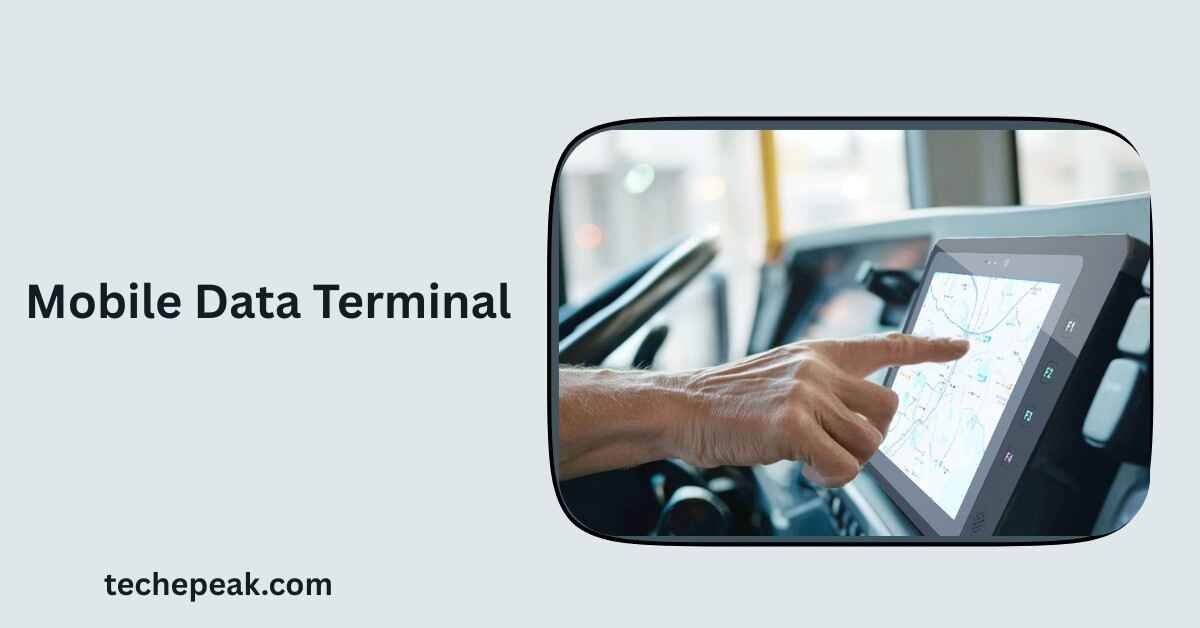
A mobile data terminal (MDT) is a specialized electronic device used to send and receive data in real time. Unlike standard mobile phones or tablets, MDTs are designed for field applications, often ruggedized to withstand extreme conditions such as heat, moisture, or vibration. These devices allow organizations to provide field workers with instant access to information, task assignments, and communication tools. The focus of an MDT is to streamline operations, reduce errors, and improve response times by ensuring that the right information reaches the right person at the right time.
How Mobile Data Terminals Work
MDTs typically integrate hardware, software, and connectivity to enable seamless communication. Most devices connect via cellular networks, Wi-Fi, or radio signals, allowing data to flow between vehicles or field stations and the central office. They can display maps, task lists, alerts, or sensor data in real time. By centralizing information and presenting it in a user-friendly interface, MDTs allow employees to act efficiently without constantly checking multiple sources or relying on paper-based workflows.
The Role of Mobile Data Terminals in Modern Technology
Enhancing Communication and Coordination
The core benefit of mobile data terminals is improved communication. Organizations with remote teams, fleet vehicles, or field operations face challenges in keeping everyone informed. MDTs solve this by delivering updates, instructions, and alerts instantly. Teams no longer rely on radio calls or paperwork, which can slow down processes and increase the risk of errors. With MDTs, dispatchers and managers can monitor ongoing operations and provide guidance as situations unfold, significantly boosting coordination and operational efficiency.
Real-Time Data and Decision Making
In addition to communication, MDTs provide access to real-time data, which is critical for informed decision-making. For example, in logistics, drivers can receive traffic updates or route adjustments instantly, saving time and fuel. In public safety, officers can verify information about incidents, identify hazards, and report back without delay. By enabling immediate access to actionable data, MDTs allow organizations to respond proactively rather than reactively, reducing downtime and enhancing overall productivity.
Key Features of Mobile Data Terminals
Rugged and Reliable Hardware
A primary feature that sets MDTs apart from consumer devices is their durability. They are designed to function in harsh environments, including extreme temperatures, rain, dust, or vehicle vibrations. This makes them ideal for fleet operations, construction sites, emergency response, and outdoor work scenarios. Reliable hardware ensures that employees can depend on their devices even in challenging conditions.
Connectivity Options
Connectivity is at the heart of any mobile data terminal. Modern MDTs support multiple connection methods such as 4G/5G networks, Wi-Fi, and radio communication. This versatility ensures uninterrupted access to data regardless of location, whether the device is in a moving vehicle or a remote field location. Secure and stable connectivity guarantees that messages, updates, and reports are transmitted without delay, which is crucial for time-sensitive operations.
Integration with Software and Applications
MDTs often run specialized software tailored to specific industries. This can include fleet management tools, GPS navigation, incident reporting systems, or asset tracking applications. By integrating with cloud-based platforms, MDTs allow companies to centralize data, generate reports, and analyze performance metrics. Employees benefit from intuitive interfaces that guide them through tasks efficiently, reducing the learning curve and human error.
Security and Data Protection
Data security is a major consideration for organizations using MDTs. Since these devices often handle sensitive information, they are equipped with encryption protocols, secure login systems, and remote monitoring capabilities. Protecting customer, employee, or operational data is not only critical for compliance but also builds trust in the technology among users and clients alike.
Applications of Mobile Data Terminals Across Industries
Fleet and Logistics Management
In the transportation and logistics industry, MDTs provide drivers with route guidance, delivery instructions, and traffic updates. Companies can monitor vehicle locations, optimize routes, and ensure timely deliveries. Real-time tracking reduces errors and increases customer satisfaction by keeping clients informed about delivery status.
Public Safety and Emergency Services
Police, fire, and medical emergency services rely on MDTs to coordinate responses, verify information, and report incidents in real time. The devices improve safety for both responders and the public by ensuring that critical information is immediately accessible.
Public Transportation
Buses, trains, and transit agencies use MDTs to track vehicles, manage schedules, and provide passenger updates. Real-time communication allows for smoother operations and reduces delays, helping commuters receive accurate arrival and departure information.
Field Service Operations
Technicians and service personnel benefit from MDTs by accessing job details, customer records, and troubleshooting guides while on-site. This increases efficiency and allows for quicker issue resolution without returning to the office for instructions.
Advantages of Mobile Data Terminals
Increased Efficiency and Productivity
By reducing the reliance on paper-based processes and manual communication, MDTs allow employees to focus on completing tasks rather than relaying information. Automated updates and task management improve workflow and minimize delays, saving time and resources.
Better Accuracy and Reduced Errors
MDTs eliminate miscommunication and paperwork errors by providing clear, centralized instructions. Data entry errors are minimized, and organizations can maintain accurate records of operations, deliveries, and incidents.
Cost Savings and Resource Optimization
Although implementing MDTs requires initial investment, organizations often see cost savings over time. Optimized routes, reduced idle time, and improved task allocation contribute to operational efficiency, ultimately reducing fuel, labor, and administrative costs.
- Example: A logistics company using MDTs can reduce delivery times by 20% while minimizing fuel consumption and overtime expenses.
Future Trends in Mobile Data Terminal Technology
Integration with AI and IoT
The next generation of MDTs will leverage artificial intelligence and IoT devices to provide predictive insights, automated decision-making, and enhanced operational intelligence. AI can analyze patterns in fleet movement, detect anomalies, and recommend optimization strategies in real time.
Cloud-Based Data and Remote Monitoring
Cloud integration enables real-time synchronization of data across multiple devices and locations. Managers can monitor operations remotely, access analytics dashboards, and generate reports without being physically present.
Enhanced User Interfaces and Voice Control
Future MDTs are expected to feature touch-screen displays, voice commands, and AI-powered assistants to simplify interaction. Employees will be able to perform complex tasks hands-free, improving both safety and efficiency in the field.
Final Thoughts
A mobile data terminal is more than just a device; it is a critical technology that empowers organizations to communicate, coordinate, and operate efficiently in real time. By integrating reliable hardware, secure connectivity, and industry-specific software, MDTs improve productivity, accuracy, and customer satisfaction across multiple industries. As technology continues to evolve, the role of MDTs will expand, incorporating AI, IoT, and cloud-based solutions to drive smarter, faster, and more efficient operations. Organizations that embrace mobile data terminals today are better positioned to stay competitive and innovate for the future.
Most Viewed