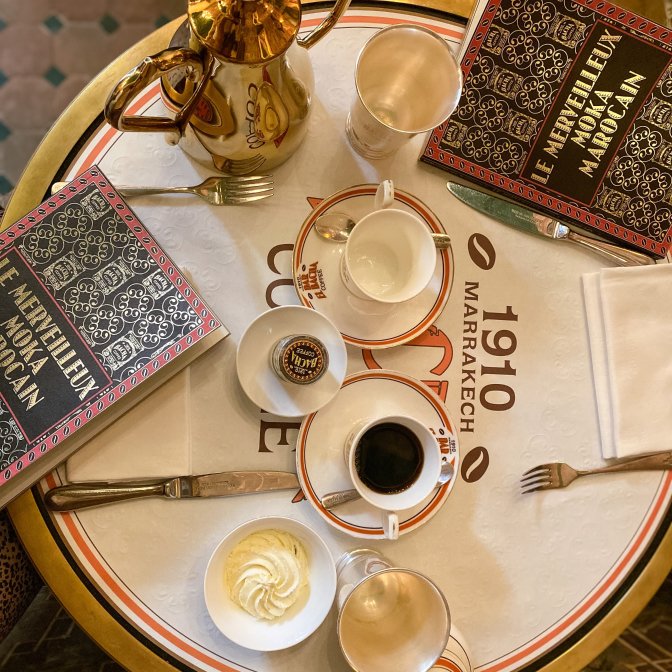
The Central Role of Coffee Tables in Contemporary Interiors
In the landscape of modern interior design, coffee tables have transcended their original role as simple platforms for cups and magazines. Today, these versatile pieces are both aesthetic anchors and functional heroes within living spaces. In Singapore, where urban living often demands compact and efficient solutions, coffee tables have emerged as central elements that define a room’s character while offering practical utility. Their evolution reflects a broader trend towards multifunctional furniture that meets the lifestyle needs of contemporary homeowners.
From Tea Tables to Multifunctional Hubs
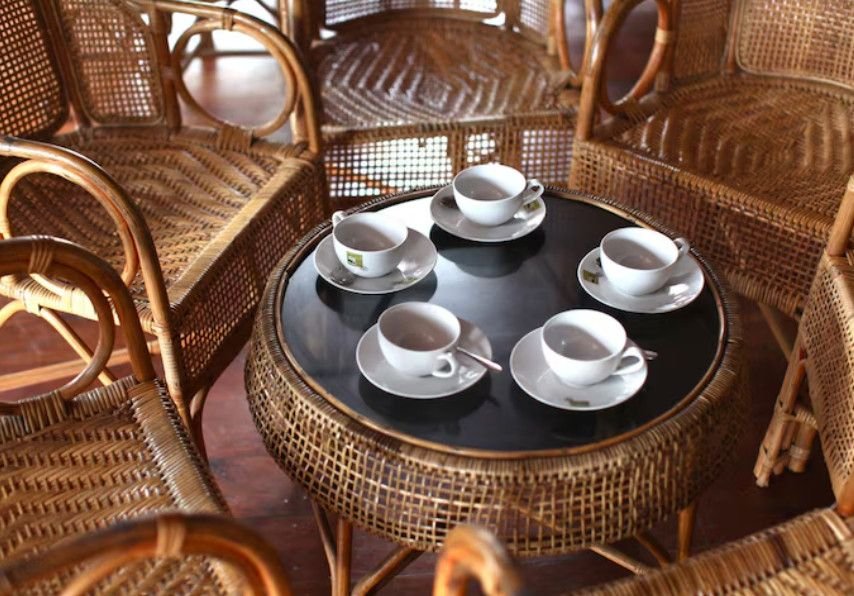
Historically, the coffee table evolved from the Victorian tea table, serving a modest role in homes. Over the decades, it has transformed into a multipurpose hub that supports a variety of activities, from casual gatherings to work-from-home setups. Modern coffee tables in Singapore are often designed with storage solutions, adjustable surfaces, and modular configurations, making them adaptable to the constraints of urban living. This multifunctionality not only maximises limited spaces but also allows residents to seamlessly switch between leisure, dining, and work activities within the same environment.
Material Selection: Blending Style with Function
The choice of material plays a crucial role in defining the personality and durability of a coffee table. Wooden tables remain timeless, providing warmth and texture that complements both traditional and contemporary interiors. Solid wood exudes resilience and longevity, while lighter woods create a more airy and versatile aesthetic. Each wood variety, from walnut to oak, brings unique tones and grains that enhance a room’s visual appeal.
Glass coffee tables offer a sleek, modern approach, often employed to visually expand smaller spaces. Their transparency allows light to flow and creates the illusion of openness, making them ideal for minimalist or compact apartments.
Metal tables, particularly those crafted from stainless steel or iron, cater to industrial or modern design sensibilities. The integration of mixed materials, such as wooden tops with metallic frames, adds depth and individuality, resulting in pieces that stand out as functional art.
Stone and marble tables introduce a sense of luxury and sophistication. These materials are celebrated for their durability and striking natural patterns, which lend an elegant and opulent touch to living spaces. Whether positioned in a minimalist setting or a lavish interior, stone and marble tables create visual impact while maintaining practical utility.
Maximising Space: Innovative Design Solutions
Space efficiency remains a critical concern in Singaporean homes, and coffee table designs have evolved to address this need. Lift-top tables conceal clutter while doubling as a workspace or dining surface. Shelving, drawers, and modular components provide additional storage, keeping essentials organised without compromising aesthetic appeal. Adjustable-height models further enhance adaptability, allowing the table to suit different activities effortlessly. These innovations demonstrate the coffee table’s transition from a decorative object to an indispensable element in daily life.
Cultural and Environmental Influences on Design
Singapore’s diverse cultural heritage significantly informs contemporary furniture trends. The blending of traditional Southeast Asian aesthetics with modern minimalism results in tables that are both functional and artistically nuanced. There is also a growing appreciation for eco-conscious designs, with recycled and upcycled wood gaining popularity among environmentally aware consumers. This commitment to sustainability reflects broader global trends while catering to a local market that values responsible consumption.
Technological Integration: The Smart Coffee Table
Modern coffee tables increasingly incorporate technological features to enhance convenience and connectivity. Some models now include wireless charging stations, built-in Bluetooth speakers, and touch-sensitive controls. These smart additions align with the demands of a tech-savvy population, transforming a traditional piece of furniture into a multifunctional hub that integrates seamlessly with digital lifestyles.
Choosing the Right Coffee Table: Practical Considerations
Selecting a coffee table involves more than aesthetics. Size and proportion must complement the room layout and existing furniture to maintain balance and accessibility. Generally, a table slightly lower than the surrounding seating ensures ease of use, while adequate clearance around it allows for comfortable movement.
The table’s shape also impacts both function and visual harmony. Rectangular and oval tables offer expansive surfaces suitable for larger rooms, while circular and square tables create softer lines, ideal for cosier corners or sectional sofas. Personal style remains a significant factor in the choice, whether one prefers mid-century modern, contemporary, rustic, or eclectic designs. Customised pieces further allow homeowners to express individuality, creating a living space that feels both functional and personal.
Sustainability and Ethical Considerations
Eco-conscious consumers are increasingly prioritising furniture that reflects sustainable practices. Manufacturers in Singapore have responded with renewable resources, non-toxic finishes, and environmentally responsible production methods. Sustainable coffee tables not only minimise ecological impact but also align with the growing desire for furniture that is both beautiful and ethically crafted. The emphasis on longevity and responsible material sourcing ensures that these tables remain practical investments for both the home and the environment.
Transforming Spaces with Thoughtful Design
A well-chosen coffee table does more than serve functional purposes; it transforms the room’s ambience. Acting as a focal point, it bridges decorative elements and daily necessities, offering cohesion to a living space. By balancing utility, style, and environmental considerations, coffee tables enhance the overall experience of a home, making interiors more inviting, efficient, and reflective of personal taste.
Conclusion: The Future of Coffee Tables in Modern Living
The modern coffee table is a testament to the evolution of interior design, combining aesthetic appeal with practical functionality. In Singapore, these tables have adapted to compact living spaces, technological needs, and sustainability demands while remaining visually striking. Whether crafted from wood, glass, metal, or marble, coffee tables now embody versatility, style, and environmental consciousness. By acknowledging their evolving roles and thoughtfully selecting pieces that reflect both personal style and functional needs, homeowners can elevate their living spaces, transforming ordinary rooms into harmonious, innovative environments.

Most Viewed