

A 600 credit score does not close the door on homeownership — but it does narrow the options and raise the cost of borrowing, explains Salem Management Company. The good news is that several loan programs are specifically designed for buyers with credit scores in the 580–640 range, and with the right preparation, purchasing a home with a 600 score is entirely achievable.
This guide explains which loan programs are available with a 600 credit score, what to expect in terms of interest rates and down payment requirements, and the specific steps that can improve approval odds and reduce long-term borrowing costs.
1. Loan Programs Available with a 600 Credit Score
Answer Capsule: The primary mortgage options for buyers with a 600 credit score are FHA loans (minimum 580 score for 3.5% down), VA loans (no official minimum score, but most lenders require 580–620), and USDA loans (minimum 640 for streamlined approval, 580 with manual underwriting). Conventional loans typically require a minimum 620–640 score, making them difficult to access at 600.
| Loan Type | Min. Credit Score | Min. Down Payment | Mortgage Insurance | Eligibility |
|---|---|---|---|---|
| FHA Loan | 580 (3.5% down) / 500 (10% down) | 3.5% | MIP (life of loan) | All buyers |
| VA Loan | 580–620 (lender overlay) | 0% | None (funding fee applies) | Veterans, active military |
| USDA Loan | 580–640 | 0% | Annual guarantee fee | Rural/suburban areas, income limits |
| Conventional | 620–640 | 3–5% | PMI (until 20% equity) | All buyers (harder at 600) |
2. FHA Loans: The Most Accessible Path at 600
Answer Capsule: FHA loans are the most commonly used mortgage for buyers with credit scores between 580 and 640. They require a minimum 3.5% down payment at 580+ and are insured by the Federal Housing Administration, which allows lenders to approve borrowers who would not qualify for conventional financing. The tradeoff is mandatory mortgage insurance premium (MIP) for the life of the loan.
FHA mortgage insurance premium consists of an upfront MIP of 1.75% of the loan amount (typically rolled into the loan) and an annual MIP of 0.55–0.85% of the outstanding balance, paid monthly. On a $250,000 loan, this adds approximately $115–$177 per month to the payment — a significant cost that makes FHA loans more expensive over time than conventional loans with PMI (which can be cancelled at 20% equity).
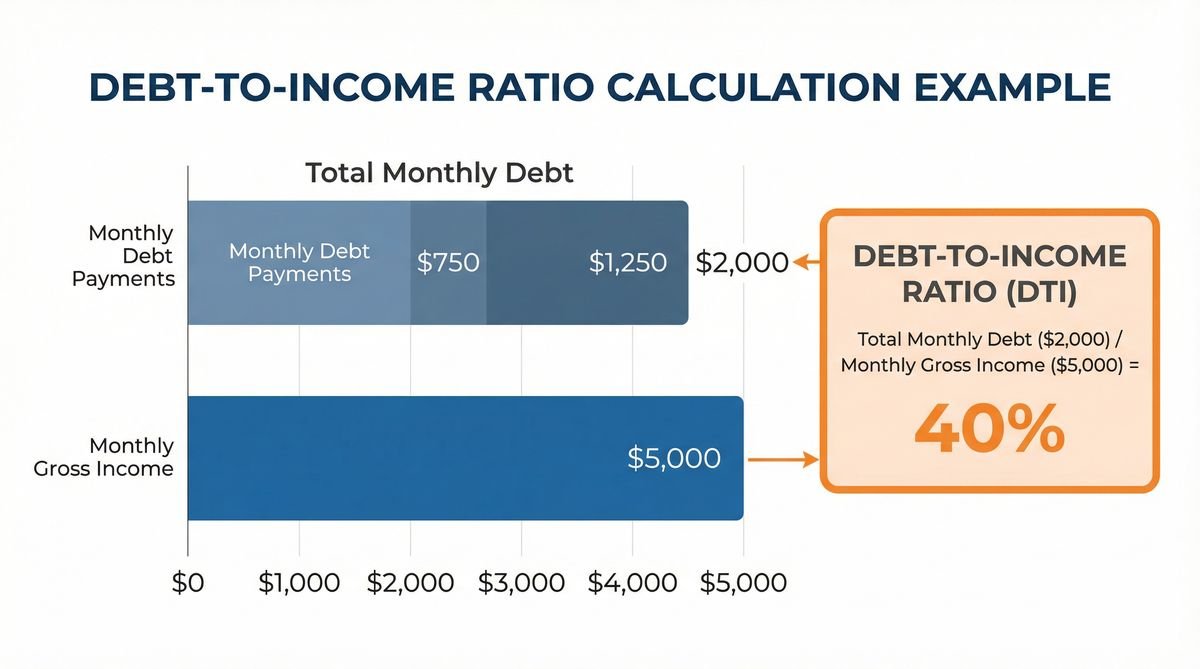
Despite the insurance cost, FHA loans offer a critical advantage for buyers with a 600 score: lenders are more willing to approve applications because the government guarantee reduces their risk. FHA also allows higher debt-to-income ratios (up to 57% with compensating factors) than conventional loans, which helps buyers with existing debt obligations.
3. How a 600 Score Affects Interest Rates
Answer Capsule: A 600 credit score typically results in an interest rate 0.5–1.5 percentage points higher than the rate available to borrowers with 740+ scores. On a $250,000 30-year mortgage, a 1% rate difference adds approximately $150 per month and $54,000 in total interest over the life of the loan. Improving the credit score before applying is the most impactful cost-reduction strategy available.
The interest rate difference between a 600 and a 700 credit score is not trivial. Lenders price risk into the interest rate, and a lower score signals higher default risk. FICO score tiers used by most mortgage lenders are: 760+, 740–759, 720–739, 700–719, 680–699, 660–679, 640–659, 620–639, and 580–619. Each tier down typically adds 0.2–0.4% to the rate.
4. Steps to Improve Approval Odds Before Applying
Answer Capsule: The most impactful pre-application steps for a buyer with a 600 score are: paying down credit card balances to below 30% utilization (can raise score 20–40 points within 30–60 days), disputing any errors on the credit report, avoiding new credit applications for 6 months before applying, and saving a larger down payment to compensate for the lower score.
Credit utilization — the percentage of available revolving credit being used — is the second most important factor in credit scoring after payment history. Reducing utilization from 70% to 30% can raise a credit score by 20–40 points within one to two billing cycles. This is the fastest legitimate way to improve a credit score before applying for a mortgage.
A larger down payment (10% instead of 3.5%) compensates for a lower credit score in two ways: it reduces the lender’s risk (lower loan-to-value ratio) and may qualify the borrower for better loan terms. Some lenders offer better rates to FHA borrowers with 10% down even at lower credit scores.
Frequently Asked Questions
What is the absolute minimum credit score to buy a house?
The absolute minimum for an FHA loan is 500, but lenders require a 10% down payment at scores between 500–579. Most lenders add their own “overlay” requirements above the FHA minimum, making 580 the practical floor for most FHA approvals with 3.5% down. VA loans have no official minimum, but individual lenders typically require 580–620. Conventional loans are generally unavailable below 620.
How long does it take to improve a 600 credit score to 640?
Improving from 600 to 640 typically takes 3–6 months with consistent effort. The fastest improvements come from reducing credit card utilization (results visible within 30–60 days) and disputing credit report errors (resolved within 30–45 days). Negative items like late payments and collections take longer to age off — typically 7 years from the date of first delinquency.
Can a co-borrower with a higher credit score help?
Yes. Adding a co-borrower with a higher credit score can improve loan terms, but lenders typically use the lower of the two middle scores for qualification purposes. A co-borrower with a 720 score does not automatically qualify the primary borrower for better rates if the primary borrower’s score is 600. However, the co-borrower’s income and assets are added to the application, which can help with debt-to-income ratio calculations.
Conclusion
Buying a house with a 600 credit score is possible — primarily through FHA loans, and for eligible buyers, VA and USDA programs. The cost of borrowing at 600 is meaningfully higher than at 700+, making credit improvement before applying the most financially impactful preparation step available.
Even a modest improvement of 40–60 points — achievable in 3–6 months through credit utilization reduction and error disputes — can unlock better loan programs, lower interest rates, and reduced mortgage insurance costs that save tens of thousands of dollars over the life of the loan.
References
- U.S. Department of Housing and Urban Development (HUD). “FHA Loan Requirements.” Updated 2025.
- Consumer Financial Protection Bureau (CFPB). “Understanding Your Credit Score.” 2025.
- Fannie Mae. “Conventional Loan Credit Score Requirements.” 2025.
- USDA Rural Development. “Single Family Housing Guaranteed Loan Program.” 2025.

Most Viewed