Why Audio Matters More Than Ever in Gaming
Gaming is no longer just about graphics and smooth frame rates. Sound plays an equal role in shaping the overall experience. From hearing an opponent’s footsteps behind a wall to catching a teammate’s warning during a fast match, audio often determines how well a player performs. While speakers and headsets help deliver in-game sounds, a gaming microphone focuses on something just as important: the player’s own voice.
Clear communication is essential in multiplayer games. In competitive titles like Call of Duty or Valorant, players rely on quick callouts and teamwork. A delayed or distorted message can cost a round. This is where a reliable gaming microphone becomes a key part of the setup. It ensures that speech is transmitted clearly without background noise or interruptions.
Gaming has also expanded beyond personal entertainment. Many players now stream on platforms like Twitch and YouTube, where voice quality directly affects viewer experience. In this environment, a microphone is not just a tool for communication. It becomes part of the creator’s identity.
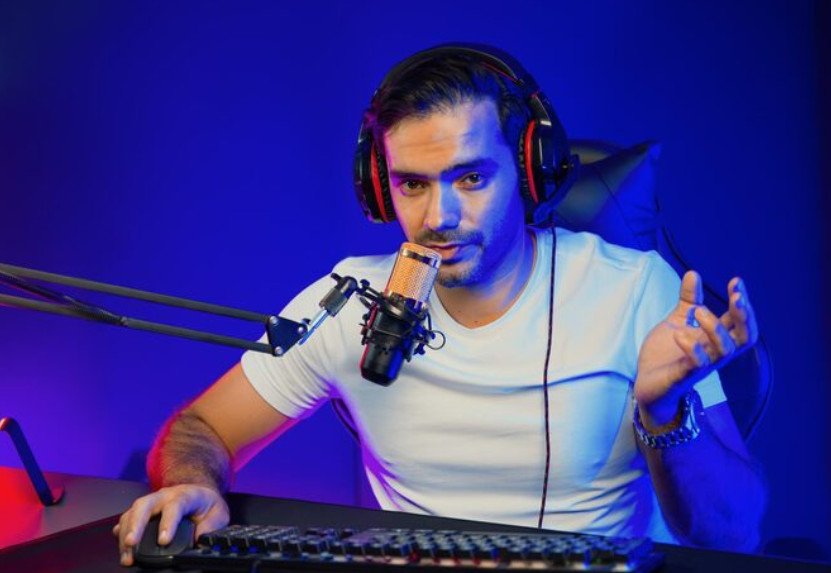
The Shift from Text Chat to Real-Time Voice
In the early days of online gaming, communication was mostly text-based. Players typed messages into chat boxes during matches. While this worked for slower-paced games, it created delays and limited real-time coordination. As internet speeds improved, voice communication became more common.
Early gaming microphones were basic. Many were built into headsets with limited sound quality. Background static and inconsistent volume were common problems. Players often had to repeat themselves, and misunderstandings were frequent.
Over time, microphone technology improved. Better materials, refined sound capture, and digital processing allowed for clearer voice transmission. Noise reduction features were introduced to filter out unwanted sounds. This marked a major change in how players interacted. Voice chat became smoother and more reliable, allowing teams to coordinate more naturally.
Today, high-quality microphones are widely available. What was once considered professional equipment is now accessible to everyday gamers.
Sound Quality as the Foundation of Good Communication
The main purpose of a gaming microphone is simple. It needs to capture the speaker’s voice clearly and deliver it without distortion. However, achieving that clarity requires careful engineering.
Modern microphones are designed to focus on the human voice while reducing surrounding noise. This helps ensure that teammates hear instructions clearly even if there are background sounds in the room. A clear microphone reduces the need for repetition and keeps communication efficient during intense gameplay.
For competitive players, this clarity can make a measurable difference. Quick and accurate callouts improve reaction time and teamwork. In fast-paced matches, even a short delay can affect the outcome.
Reducing Background Noise in Real Environments
Many gamers play from shared spaces. Background noise from fans, traffic, family members, or mechanical keyboards can interfere with voice transmission. Noise cancellation technology helps manage this issue.
Modern microphones use both hardware design and software processing to limit unwanted sound. Directional pickup patterns allow the microphone to focus on sound coming from a specific angle, usually directly in front of it. This reduces noise from the sides and back.
Some models also include digital filters that remove steady background sounds. The result is cleaner audio that prioritises the speaker’s voice. This feature is especially important for streamers who want their broadcasts to sound professional.
USB and XLR: Understanding Connectivity Choices
Gaming microphones typically connect through USB or XLR. USB microphones are popular because they are easy to set up. Players can plug them directly into a computer without additional equipment. This makes them convenient for beginners and casual users.
XLR microphones, on the other hand, require an audio interface or mixer. They are often preferred by experienced streamers and content creators because they provide more control over sound levels and processing. While the setup is more complex, the audio quality and flexibility are often higher.
The choice depends on the user’s needs. For someone who plays casually with friends, a USB microphone is usually enough. For someone building a streaming channel, an XLR setup may offer better long-term value.
Design and Build Quality in Modern Setups
Gaming equipment often reflects personal style. Microphones now come in various shapes, finishes, and lighting options. Some include RGB lighting to match other gaming hardware. While appearance does not affect performance, it plays a role in how a setup looks on camera during streams.
Build quality also matters. A durable microphone can handle frequent adjustments and transport. Metal frames and sturdy stands increase stability and longevity. Adjustable arms and shock mounts reduce vibrations from desks or keyboards, helping maintain steady sound.
These details contribute to a smoother experience for both players and viewers.
Wireless Microphones and Flexible Gaming Spaces
Wireless technology has become more common in gaming setups. Wireless microphones reduce cable clutter and allow more freedom of movement. This is useful for streamers who stand or move during broadcasts.
Battery life and signal stability are important factors in wireless models. Modern devices offer long-lasting batteries and reliable connections that maintain sound quality without noticeable delay. While wired microphones remain popular for consistent performance, wireless options continue to improve.
As gaming spaces evolve, flexibility becomes more valuable. Wireless designs support cleaner desks and more comfortable setups.
The Growing Role of Microphones in Content Creation
Gaming and content creation are now closely connected. Many players record gameplay, host live streams, or produce podcasts. A microphone that performs well during matches must also deliver broadcast-quality sound for audiences.
Clear audio keeps viewers engaged. Even high-quality video cannot compensate for poor sound. Streamers often invest in microphones that offer adjustable settings, multiple pickup patterns, and real-time monitoring.
Features like gain control and mute buttons provide convenience during live sessions. Some microphones also allow users to adjust tone and sensitivity, helping match their voice style.
For creators, the microphone becomes part of their brand. Consistent and clear voice quality builds trust with audiences.
Environmental Awareness in Production
As gaming hardware production increases, environmental impact becomes a concern. Some manufacturers are beginning to use recyclable materials and reduce waste in packaging. Energy-efficient manufacturing processes are also gaining attention.
Consumers are becoming more aware of sustainability. Choosing durable products that last longer reduces the need for frequent replacements. While performance remains the priority, environmental responsibility is gradually entering the conversation.
This shift reflects broader trends across the technology industry.
How Gaming Microphones Continue to Evolve
The future of gaming microphones will likely include smarter sound processing. Artificial intelligence may help separate voices from background noise even more effectively. Real-time voice enhancement tools could automatically adjust tone and volume for consistent output.
Integration with gaming software may also expand. Microphones could sync directly with streaming platforms, making setup simpler. As virtual and augmented reality grows, voice interaction may become even more central to gameplay.
Sound remains a core part of immersion. Whether exploring open worlds or competing in esports tournaments, players rely on audio to guide decisions.
Conclusion
Gaming microphones have developed from basic accessories into essential tools for communication and content creation. They support teamwork, improve clarity, and enhance overall immersion. As multiplayer gaming and streaming continue to grow, reliable voice transmission becomes more important.
From early text-based communication to advanced wireless models, microphone technology has come a long way. Today’s options offer flexibility, strong sound capture, and user-friendly design. Whether playing competitively or building an online audience, investing in good audio equipment makes a clear difference.
Gaming is not just about what players see. It is also about what they hear and how they are heard. As technology moves forward, microphones will continue to shape how people connect, compete, and create in digital spaces.

Most Viewed