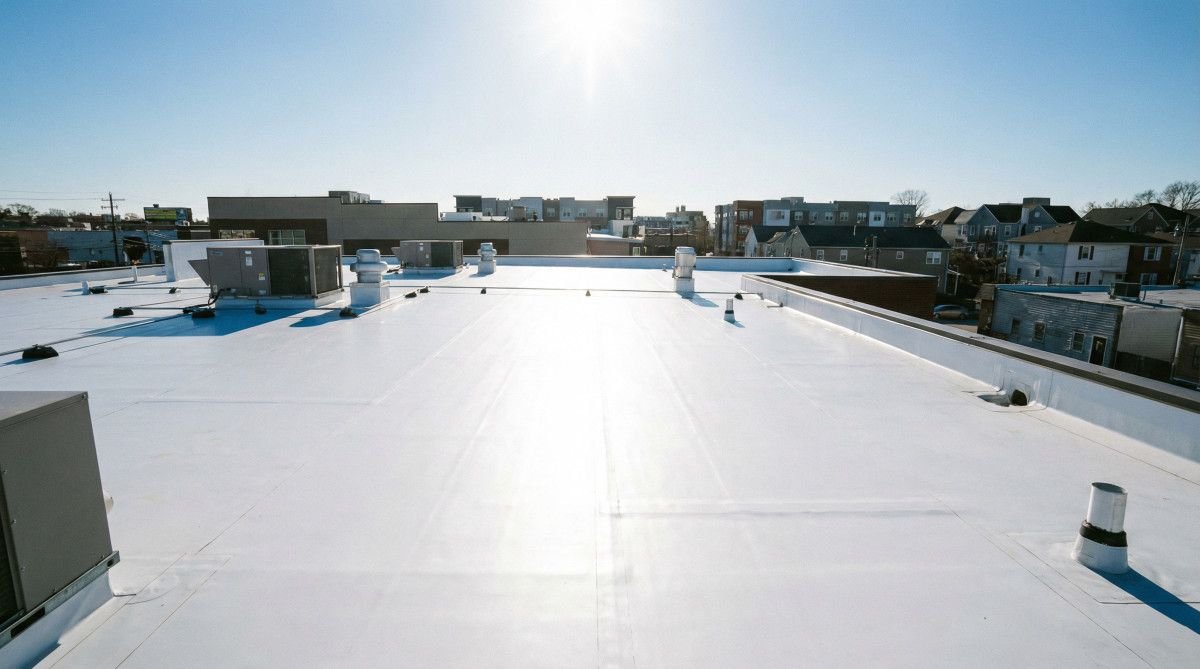

TPO roofing systems offer significant benefits for commercial and residential properties, primarily due to their exceptional durability, energy efficiency, and cost-effectiveness over their lifespan. This single-ply membrane solution provides robust protection against environmental elements while contributing to lower energy consumption through its reflective surface, notes Hometown Holdings LLC solutions. Understanding these core advantages is crucial for property owners considering long-term roofing investments.
Thermoplastic Polyolefin (TPO) has emerged as a leading choice in low-slope roofing applications, favored for its strong seams and resistance to punctures, tears, and dirt accumulation. Its chemical composition allows for heat-welded seams, creating a monolithic, watertight barrier that is highly resilient. This makes TPO an ideal material for demanding climates and various building types.
The widespread adoption of TPO roofing underscores its proven performance and versatility in diverse architectural settings. Property managers and developers increasingly select TPO for its combination of practical benefits and sustainable characteristics. The material’s inherent flexibility and ease of installation further enhance its appeal in the competitive roofing market.
Understanding TPO Roofing and Its Core Benefits
TPO roofing, a single-ply membrane system, provides a superior blend of flexibility, strength, and environmental resistance, making it a highly advantageous choice for modern flat or low-slope roofs. Its primary benefits include remarkable durability against UV radiation and chemical exposure, significant energy savings due to its reflective surface, and a relatively straightforward installation process. These attributes collectively contribute to a lower total cost of ownership and enhanced building performance.
TPO membranes are manufactured from a blend of polypropylene and ethylene-propylene rubber, reinforced with a polyester fabric. This composition results in a robust material that resists tears, punctures, and impacts. The inherent flexibility of TPO allows it to accommodate building movement and temperature fluctuations without cracking or becoming brittle, ensuring long-term structural integrity.
Beyond its physical resilience, TPO’s light-colored surface, typically white, reflects a substantial amount of solar energy. This reflectivity reduces heat absorption into the building, thereby lowering cooling costs during warmer months. The energy efficiency of TPO roofing aligns with modern sustainability goals and can lead to considerable operational savings for property owners.
Key Characteristics and Comparative Advantages of TPO
TPO roofing systems distinguish themselves through a unique combination of material properties, offering distinct advantages when compared to other common commercial roofing options like EPDM and PVC. Its heat-weldable seams provide superior waterproofing, while its resistance to chemicals and punctures surpasses many alternatives, ensuring a more secure and long-lasting roof. These characteristics make TPO a compelling choice for various commercial and industrial applications.
The manufacturing process of TPO allows for a smooth surface that resists dirt and algae buildup, contributing to its sustained reflectivity and aesthetic appeal. This clean surface also simplifies maintenance, as debris is less likely to adhere, preserving the roof’s performance over time. The material’s inherent strength also means it can withstand foot traffic and minor impacts without significant damage.
To illustrate the comparative advantages, consider the following table:
| Feature | TPO | EPDM | PVC |
|---|---|---|---|
| Seam Strength | Excellent (Heat-welded) | Good (Adhesive) | Excellent (Heat-welded) |
| Energy Efficiency | High (Reflective) | Low (Dark, absorbs heat) | High (Reflective) |
| Puncture Resistance | Good to Excellent | Fair to Good | Excellent |
| Chemical Resistance | Good | Fair | Excellent |
| Cost-Effectiveness | Moderate to High | Low to Moderate | High |
| Flexibility | Good | Excellent | Good |
Installation Process and Best Practices for TPO Roofing
The successful installation of a TPO roofing system hinges on meticulous surface preparation, precise membrane placement, and expert heat welding of seams, ensuring a watertight and durable finish. Proper adherence to manufacturer guidelines and industry best practices is paramount to maximizing the roof’s lifespan and performance. This systematic approach guarantees the integrity of the roofing envelope.
Installation typically begins with a clean, dry, and smooth substrate, free from any sharp objects or debris that could compromise the membrane. Insulation boards are then often installed to provide thermal resistance and a stable base. The TPO membrane rolls are unrolled and positioned, allowing them to relax and minimize wrinkles before fastening.
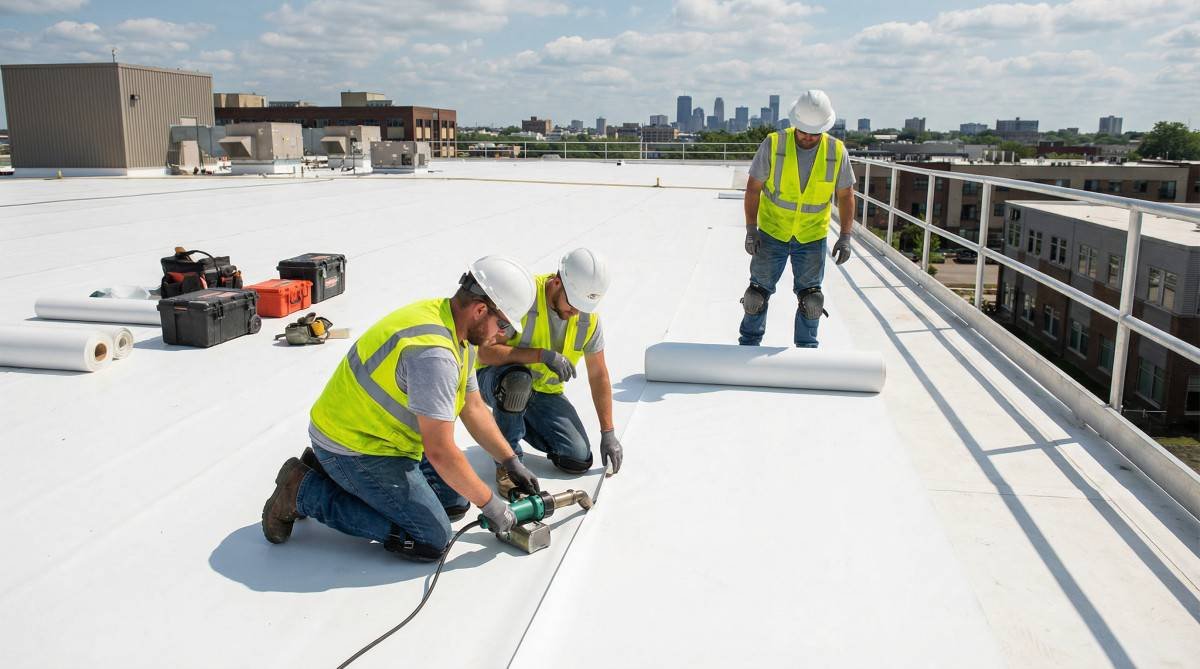
Fastening methods vary but commonly include mechanical attachment, where the membrane is secured with fasteners and plates, or full adherence, where the membrane is bonded to the substrate with adhesive. The most critical step involves heat welding the seams between adjacent TPO sheets. This process uses specialized hot-air welders to fuse the material, creating a continuous, monolithic barrier that is impervious to water. Proper welding ensures a strong, long-lasting bond that is resistant to environmental stresses.
Cost Considerations and Long-Term Value of TPO Roofing
Evaluating the cost of TPO roofing involves considering not only the initial material and installation expenses but also the significant long-term savings derived from its energy efficiency and minimal maintenance requirements. While upfront costs can be comparable to or slightly higher than some alternatives, the extended lifespan and reduced operational expenditures often result in a superior return on investment. This comprehensive view highlights TPO’s economic advantages.
Initial costs for TPO roofing can range depending on membrane thickness, project complexity, and regional labor rates. However, the relatively straightforward installation process, especially for larger, unobstructed roof areas, can help mitigate labor expenses. It is essential to obtain detailed quotes that encompass all aspects of the project, including tear-off of old materials and disposal.
The long-term value of TPO is significantly enhanced by its energy-saving properties. The reflective surface reduces the heat island effect and decreases the demand on HVAC systems, leading to lower utility bills. Furthermore, TPO’s durability and resistance to common roofing issues translate into fewer repairs and a longer service life, deferring the need for costly roof replacements. These factors collectively underscore TPO as a financially sound choice for property owners.
Long-Term Benefits and Maintenance Tips for TPO Systems
TPO roofing systems deliver substantial long-term benefits, including exceptional durability, sustained energy efficiency, and a robust resistance to environmental stressors, ensuring a prolonged service life with minimal intervention. Regular, proactive maintenance is key to preserving these advantages, extending the roof’s lifespan, and optimizing its performance over decades. Adhering to a simple maintenance schedule safeguards the investment.
The inherent strength and flexibility of TPO membranes contribute to their impressive longevity, often exceeding 20-30 years with proper care. This extended lifespan means fewer disruptions and lower replacement costs over the building’s operational period. The consistent energy savings from its reflective surface continue to accrue, providing ongoing financial advantages.
Maintenance for TPO roofs is generally straightforward. Regular inspections, typically twice a year and after severe weather events, are crucial to identify and address minor issues before they escalate. Cleaning the roof surface to remove dirt, debris, and biological growth helps maintain its reflectivity and prevents drainage problems. Prompt repair of any punctures or seam separations ensures the roof remains watertight and performs optimally.
Frequently Asked Questions
What is TPO roofing, and how does it differ from other single-ply membranes?
TPO roofing is a single-ply thermoplastic polyolefin membrane, known for its heat-welded seams, which create a strong, monolithic barrier against water intrusion. Unlike EPDM, which uses adhesive seams and is typically black, TPO is often white or light-colored, offering superior solar reflectivity and energy efficiency. It also generally provides better puncture and chemical resistance than EPDM, while being more flexible and less expensive than PVC.
How long can I expect a TPO roof to last, and what factors affect its lifespan?
A properly installed and maintained TPO roof can typically last between 20 to 30 years, often exceeding this range under ideal conditions. Factors influencing its lifespan include the quality of installation, membrane thickness, local climate conditions (e.g., extreme temperatures, UV exposure), and the frequency and thoroughness of maintenance. Regular inspections and prompt repairs are critical for maximizing its longevity.
Is TPO roofing environmentally friendly, and can it be recycled?
TPO roofing is considered environmentally friendly due to its energy-efficient properties, as its reflective surface reduces cooling loads and greenhouse gas emissions. Many TPO membranes are also recyclable, contributing to waste reduction at the end of their service life. Manufacturers are increasingly focusing on sustainable production methods and end-of-life solutions for TPO materials.
What are the main maintenance requirements for a TPO roof?
Maintaining a TPO roof primarily involves semi-annual inspections to check for debris, punctures, or seam issues, especially after severe weather. Regular cleaning to remove dirt, leaves, and other accumulations helps preserve its reflective properties and prevents drainage problems. Promptly addressing any identified damage, such as small tears or loose seams, is crucial to prevent water infiltration and extend the roof’s life.
Can TPO roofing be installed over an existing roof system?
In many cases, TPO roofing can be installed directly over an existing roof system, provided the existing roof is structurally sound, dry, and free from significant damage or excessive moisture. This re-roofing approach can save on tear-off and disposal costs. However, a thorough assessment by a qualified roofing professional is essential to determine the suitability of the existing substrate for an overlay.
The advantages of TPO roofing systems extend beyond initial installation, offering a compelling blend of durability, energy efficiency, and cost-effectiveness throughout their extensive service life. Property owners benefit from reduced energy consumption, minimal maintenance demands, and a robust defense against environmental challenges. Investing in TPO represents a strategic decision for long-term building performance and operational savings.

Most Viewed