

Commercial property management involves the strategic oversight of various operational, financial, and tenant-related aspects to maintain asset value and ensure smooth functioning. Effective commercial property management is crucial for landlords and investors seeking to maximize returns and minimize liabilities. This article outlines key components of a robust commercial property management checklist, covering everything from routine maintenance to legal compliance and tenant satisfaction. Implementing a structured approach to property management can significantly enhance efficiency, reduce operational costs, and foster positive relationships with tenants, ultimately contributing to the long-term success of commercial real estate investments.
Financial Management Essentials
Effective financial management in commercial property ensures profitability and operational stability by meticulously tracking income, expenses, and budgeting. This involves diligent rent collection, accurate expense tracking, and strategic financial planning to optimize cash flow and safeguard the property’s economic health. A robust financial framework is fundamental for long-term success in commercial real estate, providing transparency and control over all monetary aspects, notes Keyrenter in Lakewood Ranch. It also includes regular reporting to stakeholders, ensuring all financial activities align with investment goals and regulatory requirements.
Managing the financial aspects of commercial properties requires a systematic approach to ensure profitability and compliance. Property managers are responsible for a range of tasks, from collecting rent to overseeing budgets and financial reporting. Proper financial oversight prevents unexpected costs, identifies potential issues early, and ensures the property remains a viable investment. This involves not only day-to-day transaction handling but also long-term financial planning and analysis.
Budgeting and Expense Tracking
Creating and adhering to a detailed budget is paramount for commercial properties. This budget should encompass all anticipated income, such as rent and utility reimbursements, and all projected expenses, including maintenance, insurance, property taxes, and administrative costs. Regular tracking of actual income and expenses against the budget allows property managers to identify discrepancies, control spending, and make informed financial decisions. Utilizing property management software can streamline this process, providing real-time insights into financial performance and facilitating accurate record-keeping.
Rent Collection and Accounts Receivable
Efficient rent collection is the lifeblood of any commercial property. Property managers must establish clear payment terms, enforce lease agreements, and implement systematic processes for collecting rent and other fees. This includes sending timely invoices, managing late payments, and addressing delinquencies promptly. A well-defined accounts receivable process minimizes revenue loss and ensures a steady cash flow. Communication with tenants regarding payment schedules and any issues is vital to maintaining positive relationships while upholding financial obligations.
Financial Reporting and Analysis
Regular financial reporting provides stakeholders with a clear picture of the property’s economic performance. Key reports include income statements, balance sheets, and cash flow statements. Property managers should also conduct periodic financial analysis to assess profitability, identify trends, and evaluate the effectiveness of financial strategies. This analysis can help in forecasting future financial needs, optimizing operational costs, and making strategic decisions regarding property improvements or investments. Transparent and accurate reporting builds trust with property owners and investors.
| Financial Task | Description | Frequency |
|---|---|---|
| Budget Preparation | Develop annual operating and capital budgets. | Annually |
| Rent Collection | Collect rent and other fees from tenants. | Monthly |
| Expense Management | Track and categorize all property-related expenditures. | Ongoing |
| Financial Reporting | Generate income statements, balance sheets, and cash flow reports. | Monthly/Quarterly |
| Accounts Payable | Process and pay vendor invoices. | Ongoing |
Inspections and Maintenance Protocols
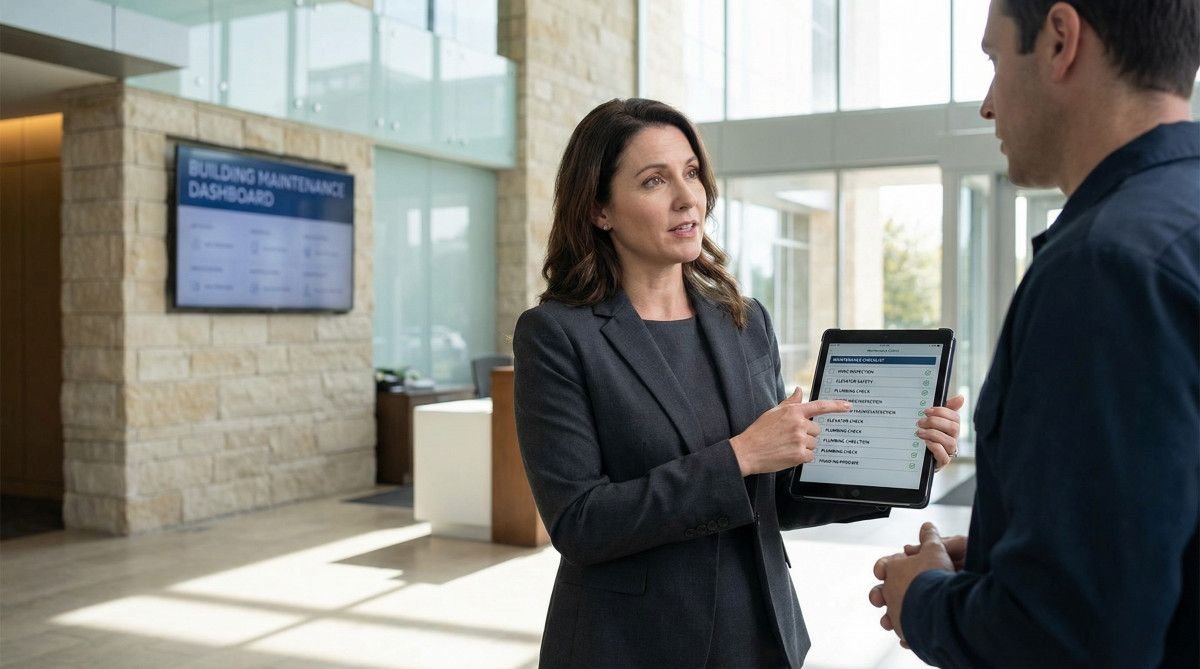
Regular inspections and proactive maintenance protocols are vital for preserving the physical integrity and operational efficiency of commercial properties, directly impacting tenant satisfaction and asset longevity. A systematic approach to property upkeep, encompassing routine checks, preventative measures, and timely repairs, mitigates risks, reduces costly emergency interventions, and ensures compliance with safety regulations. This continuous vigilance is essential for maintaining a safe, functional, and appealing environment for all occupants, thereby protecting the investment value. It also helps in identifying potential issues before they escalate into major problems, ensuring the property remains in optimal condition.
Maintaining the physical condition of a commercial property is a core responsibility of property management. This involves a combination of routine inspections, preventative maintenance, and responsive repairs to address issues as they arise. A well-structured inspection and maintenance program not only preserves the property’s value but also ensures the safety and comfort of tenants, minimizing disruptions to their operations.
Routine Property Inspections
Scheduled property inspections are critical for identifying potential problems before they escalate. These inspections should cover both interior and exterior elements, including structural components, roofing, HVAC systems, plumbing, electrical systems, and common areas. Regular visual checks can reveal early signs of wear and tear, damage, or potential hazards. Documenting these inspections with detailed notes and photographs provides a historical record of the property’s condition and helps track the resolution of identified issues. The frequency of inspections may vary depending on the property type, age, and usage, but a consistent schedule is essential.
Preventative Maintenance Scheduling
Preventative maintenance involves regularly scheduled tasks designed to prevent equipment failures and extend the lifespan of building systems. This includes servicing HVAC units, checking fire safety equipment, inspecting elevators, and maintaining landscaping. A comprehensive preventative maintenance schedule reduces the likelihood of unexpected breakdowns, which can be costly and disruptive. Implementing a computerized maintenance management system (CMMS) can help automate scheduling, track maintenance history, and manage work orders efficiently, ensuring that all critical systems receive timely attention.
Responsive Repairs and Emergency Management
Despite preventative efforts, repairs will inevitably be necessary. Property managers must have a system in place for tenants to report maintenance issues and a process for addressing these requests promptly. This includes prioritizing repairs based on urgency and impact on tenant operations or safety. For emergencies, such as significant leaks, power outages, or security breaches, a clear emergency response plan is crucial. This plan should outline communication protocols, contact information for essential service providers, and procedures for minimizing damage and ensuring tenant safety.
| Maintenance Area | Key Tasks | Recommended Frequency |
|---|---|---|
| HVAC Systems | Filter replacement, coil cleaning, system checks | Quarterly/Annually |
| Plumbing | Leak checks, drain maintenance, fixture inspection | Monthly/Quarterly |
| Electrical | Wiring inspection, lighting checks, panel review | Annually |
| Roofing | Leak detection, debris removal, structural integrity check | Semi-Annually |
| Fire Safety | Extinguisher checks, alarm testing, sprinkler system inspection | Monthly/Annually |
Tenant Relations and Lease Administration
Effective tenant relations and meticulous lease administration are fundamental to fostering a stable and profitable commercial property environment, ensuring tenant satisfaction and adherence to contractual obligations. Proactive communication, fair conflict resolution, and precise management of lease agreements minimize vacancies, reduce legal disputes, and cultivate long-term tenant loyalty. This strategic approach not only enhances the property’s reputation but also contributes significantly to its sustained financial performance and overall market value. Maintaining strong tenant relationships is key to a thriving commercial real estate portfolio.
Successful commercial property management extends beyond the physical upkeep of the building to encompass the crucial aspects of tenant relations and lease administration. Positive tenant relationships contribute to higher retention rates and a stable income stream, while meticulous lease administration ensures legal compliance and protects the property owner’s interests.
Fostering Positive Tenant Relationships
Building and maintaining strong relationships with tenants is essential for a harmonious and productive commercial property. This involves open and consistent communication, promptly addressing concerns, and demonstrating a commitment to their business success. Regular check-ins, transparent communication about property changes or maintenance schedules, and a fair approach to problem-solving can significantly enhance tenant satisfaction. A positive tenant experience often translates into lease renewals and positive referrals, which are invaluable for the property’s long-term prosperity.
Lease Agreement Management
Lease agreements are legally binding contracts that define the terms and conditions between the landlord and tenant. Property managers are responsible for the comprehensive management of these agreements, from initial drafting and negotiation to renewal and termination. This includes ensuring all lease terms are clear, legally compliant, and accurately reflect the agreed-upon conditions. Key aspects of lease management involve tracking critical dates, such as renewal options and rent escalations, and enforcing lease clauses related to property use, maintenance responsibilities, and tenant improvements. Diligent record-keeping of all lease-related documentation is paramount.
Conflict Resolution and Dispute Management
Despite best efforts, conflicts and disputes can arise between tenants or between tenants and management. Property managers must possess strong conflict resolution skills to mediate disagreements fairly and efficiently. This involves active listening, impartial assessment of the situation, and seeking mutually agreeable solutions. A clear, documented process for handling complaints and disputes helps ensure consistency and fairness. Effective conflict resolution minimizes legal risks, preserves tenant relationships, and maintains a professional and respectful environment within the commercial property.
| Aspect of Tenant Relations | Key Activities | Benefit |
|---|---|---|
| Communication | Regular updates, prompt response to inquiries | Increased tenant satisfaction and trust |
| Lease Enforcement | Consistent application of lease terms | Ensures compliance and protects property value |
| Issue Resolution | Fair and timely handling of complaints | Reduces disputes and improves tenant retention |
| Tenant Retention | Proactive engagement, addressing needs | Minimizes vacancies and turnover costs |
| Documentation | Record all interactions and agreements | Legal protection and clear historical record |
Risk Management and Compliance
Robust risk management and strict adherence to compliance regulations are paramount for safeguarding commercial properties against potential liabilities, financial losses, and legal repercussions. Proactive identification, assessment, and mitigation of risks, coupled with continuous monitoring of regulatory changes, ensure the property operates within legal frameworks and industry standards. This comprehensive approach protects both the asset and its occupants, fostering a secure environment while minimizing exposure to unforeseen challenges and maintaining operational integrity. It is a continuous process that requires vigilance and adaptability to evolving legal and environmental landscapes.
Commercial property management involves navigating a complex landscape of potential risks and regulatory requirements. Effective risk management and compliance protocols are essential to protect the property, its occupants, and the owner from financial losses, legal disputes, and reputational damage. This includes identifying potential hazards, implementing preventative measures, and ensuring adherence to all applicable laws and industry standards.
Safety and Security Protocols
Ensuring the safety and security of a commercial property is a top priority. This involves implementing comprehensive safety protocols, such as regular fire safety inspections, emergency preparedness plans, and proper maintenance of security systems. Fire alarms, sprinkler systems, emergency exits, and security cameras must be regularly tested and maintained to ensure they are fully operational. Developing and communicating clear emergency procedures to tenants, including evacuation routes and assembly points, is also crucial. A secure environment protects tenants, visitors, and assets, contributing to a positive property reputation.
Regulatory Compliance and Legal Adherence
Commercial properties are subject to a myriad of local, state, and federal regulations, including building codes, zoning laws, environmental regulations, and accessibility standards. Property managers must stay informed about these requirements and ensure the property remains in full compliance. This involves obtaining necessary permits, conducting regular audits, and addressing any non-compliance issues promptly. Adherence to fair housing laws, tenant rights, and lease agreement terms is also critical to avoid legal challenges. Proactive legal counsel and regular reviews of compliance procedures can mitigate potential legal risks.
Insurance and Liability Management
Adequate insurance coverage is a cornerstone of commercial property risk management. Property managers must ensure that the property has comprehensive insurance policies, including property insurance, liability insurance, and potentially business interruption insurance. Regular review of these policies is necessary to ensure coverage remains sufficient and up-to-date with the property’s value and potential risks. Additionally, implementing measures to reduce liability, such as maintaining safe common areas, addressing hazards promptly, and documenting all maintenance and repair activities, can help minimize the likelihood of claims and lawsuits.
| Risk Area | Mitigation Strategy | Compliance Requirement |
|---|---|---|
| Fire Safety | Regular inspection of alarms, sprinklers, extinguishers | Local fire codes, NFPA standards |
| Security | Access control, surveillance systems, lighting | Data privacy laws (for surveillance), local security ordinances |
| Environmental | Waste management, hazardous material handling | EPA regulations, state environmental laws |
| Accessibility | ADA compliance, accessible routes and facilities | Americans with Disabilities Act (ADA) |
| Structural Integrity | Building inspections, preventative maintenance | Local building codes, engineering standards |
Vendor Management and Contractor Oversight
Strategic vendor management and diligent contractor oversight are essential for ensuring high-quality services, cost-effectiveness, and operational continuity in commercial property management. Establishing clear contracts, evaluating performance, and fostering strong relationships with service providers minimize risks, optimize maintenance schedules, and enhance the overall tenant experience. This proactive approach ensures that all external services, from landscaping to specialized repairs, are delivered efficiently and meet the property’s standards, contributing to its long-term value and functionality. Effective vendor management is a cornerstone of successful property operations.
Commercial properties rely heavily on external vendors and contractors for a wide range of services, including maintenance, repairs, cleaning, and security. Effective vendor management is crucial for ensuring that these services are delivered efficiently, cost-effectively, and to the required standards. Poor vendor management can lead to service disruptions, increased costs, and tenant dissatisfaction.
Vendor Selection and Qualification
The process of selecting vendors should be thorough and systematic. It involves identifying reputable service providers, evaluating their qualifications, experience, and insurance coverage, and conducting background checks. Requesting proposals, comparing bids, and checking references are vital steps to ensure that chosen vendors can meet the property’s specific needs and comply with all regulatory requirements. Establishing a pre-approved list of qualified vendors can streamline the process for future service needs and ensure consistent service quality.
Contract Negotiation and Management
Once a vendor is selected, clear and comprehensive contracts must be negotiated and put in place. These contracts should clearly define the scope of work, service level agreements (SLAs), pricing, payment terms, insurance requirements, and termination clauses. Effective contract management involves regularly reviewing these agreements, ensuring that vendors adhere to the terms, and addressing any deviations promptly. This proactive approach minimizes misunderstandings, protects the property owner’s interests, and ensures accountability from service providers.
Performance Monitoring and Evaluation
Ongoing monitoring and evaluation of vendor performance are essential to ensure that services meet expectations. This can involve regular site visits, tenant feedback, and reviewing service reports. Establishing key performance indicators (KPIs) and conducting periodic performance reviews allow property managers to assess the quality of work, adherence to schedules, and responsiveness of vendors. Providing constructive feedback and addressing performance issues promptly can help maintain high service standards and foster long-term, productive relationships with reliable contractors.
| Vendor Management Stage | Key Activities | Objective |
|---|---|---|
| Selection | Research, solicit bids, check references, verify credentials | Identify qualified and reliable service providers |
| Contracting | Negotiate terms, draft agreements, define SLAs | Establish clear expectations and legal protections |
| Oversight | Monitor work, review reports, gather feedback | Ensure quality service delivery and compliance |
| Evaluation | Assess performance against KPIs, conduct reviews | Optimize vendor relationships and service quality |
| Payment | Process invoices, track payments, reconcile accounts | Ensure timely and accurate compensation |
Sustainability and Energy Efficiency
Integrating sustainability and energy efficiency measures into commercial property management is crucial for reducing operational costs, enhancing property value, and meeting growing environmental regulations and tenant demands. Implementing green building practices, optimizing energy consumption, and adopting renewable solutions contribute to a reduced carbon footprint and improved corporate social responsibility. This forward-thinking approach not only yields significant financial savings through lower utility bills but also attracts environmentally conscious tenants, positioning the property as a leader in sustainable real estate. It also helps in complying with evolving environmental standards and regulations.
In an era of increasing environmental awareness and rising energy costs, integrating sustainability and energy efficiency into commercial property management is no longer optional but a strategic imperative. These practices not only contribute to a healthier planet but also offer significant financial benefits and enhance the property’s market appeal.
Energy Audits and Optimization
Conducting regular energy audits is the first step towards identifying areas for improvement in energy consumption. These audits assess the property’s energy use patterns, pinpoint inefficiencies in HVAC systems, lighting, insulation, and other building components. Based on audit findings, property managers can implement optimization strategies such as upgrading to energy-efficient lighting (e.g., LED), installing smart thermostats, improving building envelope insulation, and optimizing HVAC schedules. The goal is to reduce overall energy demand without compromising tenant comfort or operational effectiveness.
Water Conservation and Waste Management
Water conservation is another critical aspect of sustainable property management. Implementing low-flow fixtures, optimizing irrigation systems for landscaping, and promptly repairing leaks can significantly reduce water consumption. Effective waste management strategies involve implementing comprehensive recycling programs, composting organic waste, and exploring partnerships with waste-to-energy facilities. Reducing waste sent to landfills not only benefits the environment but can also lead to cost savings through reduced waste disposal fees. Educating tenants about recycling and conservation efforts is also vital for success.
Green Building Certifications and Tenant Engagement
Pursuing green building certifications, such as LEED (Leadership in Energy and Environmental Design) or BREEAM (Building Research Establishment Environmental Assessment Method), can significantly enhance a commercial property’s reputation and market value. These certifications demonstrate a commitment to environmental stewardship and can attract environmentally conscious tenants. Engaging tenants in sustainability initiatives, such as encouraging energy-saving behaviors, promoting public transportation, and providing resources for eco-friendly practices, fosters a collective effort towards a more sustainable property. Transparent reporting on sustainability performance can further strengthen tenant and investor relations.
| Sustainability Area | Key Initiatives | Expected Outcome |
|---|---|---|
| Energy Efficiency | LED lighting upgrades, smart HVAC controls, insulation improvements | Reduced utility costs, lower carbon footprint |
| Water Conservation | Low-flow fixtures, efficient irrigation, leak detection | Decreased water consumption, cost savings |
| Waste Management | Comprehensive recycling, composting, waste reduction programs | Reduced landfill waste, improved environmental impact |
| Indoor Air Quality | HVAC filtration, natural ventilation, low-VOC materials | Healthier tenant environment, increased productivity |
| Renewable Energy | Solar panel installation, green energy procurement | Reduced reliance on fossil fuels, long-term energy savings |
Frequently Asked Questions
What is a commercial property management checklist?
A commercial property management checklist is a structured list of tasks and responsibilities designed to ensure the efficient operation, maintenance, and financial health of commercial real estate. It covers various aspects, including property inspections, tenant relations, financial management, risk assessment, and compliance with legal and regulatory requirements, serving as a comprehensive guide for property managers.
Why is a checklist important for commercial property management?
A checklist is crucial for commercial property management because it provides a systematic approach to complex tasks, ensuring no critical responsibilities are overlooked. It helps standardize processes, improve efficiency, reduce errors, mitigate risks, and maintain consistent quality in property operations, ultimately protecting asset value and enhancing tenant satisfaction.
How often should commercial properties be inspected?
The frequency of commercial property inspections varies depending on the property type, age, usage, and local regulations. However, a general guideline includes daily or weekly checks for common areas, monthly for critical systems, quarterly for detailed interior and exterior assessments, and annually for comprehensive structural and safety reviews. Preventative maintenance schedules often dictate specific inspection intervals.
What are the key components of financial management in commercial property?
Key components of financial management in commercial property include budgeting and expense tracking, efficient rent collection and accounts receivable management, and comprehensive financial reporting and analysis. These elements ensure the property’s profitability, optimize cash flow, and provide transparent financial insights to stakeholders, supporting informed decision-making and long-term investment goals.
How can technology enhance commercial property management?
Technology can significantly enhance commercial property management by streamlining operations, improving communication, and providing data-driven insights. Property management software, CMMS (Computerized Maintenance Management Systems), smart building technologies, and online tenant portals automate tasks, facilitate preventative maintenance scheduling, optimize energy use, and improve tenant engagement, leading to greater efficiency and cost savings.
Conclusion
Effective commercial property management is a multifaceted discipline demanding meticulous attention to detail across financial, operational, tenant, and compliance aspects. A well-structured checklist serves as an indispensable tool, guiding property managers through essential tasks from routine inspections and preventative maintenance to fostering positive tenant relationships and navigating complex regulatory landscapes. By embracing proactive strategies in risk management, leveraging technology for efficiency, and committing to sustainable practices, property owners can not only preserve but significantly enhance the value and profitability of their commercial assets. Consistent application of these principles ensures operational excellence and long-term success in the dynamic real estate market.

Most Viewed