

Home inspections are a pivotal moment in the homebuying journey, offering a detailed look into a property’s condition. While they can uncover unexpected issues, they also provide a crucial opportunity for buyers to address concerns before finalizing their investment. This negotiation phase is not just about identifying problems; it’s about finding equitable solutions that ensure a fair transaction for both parties. Understanding the nuances of this process can save homebuyers significant stress and unexpected costs down the line.
Understanding the Home Inspection Report
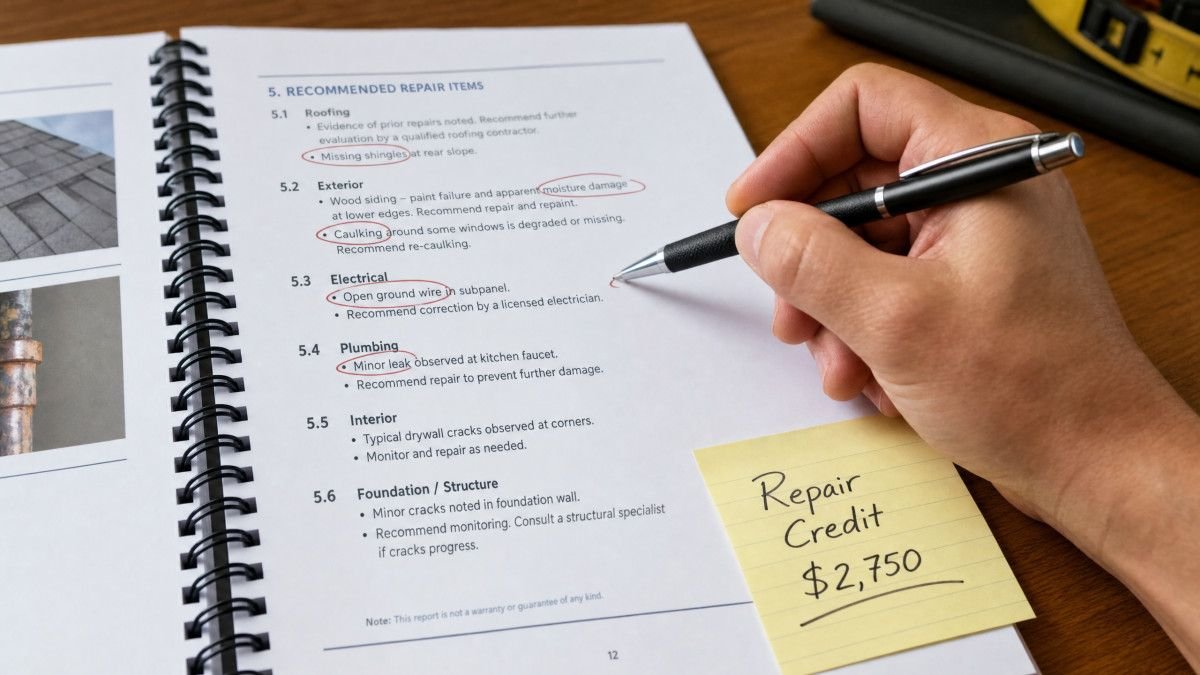
A thorough review of the home inspection report is the first crucial step, distinguishing between major structural or safety issues and minor cosmetic flaws to prioritize negotiation points effectively. Once the inspection is complete, you’ll receive a comprehensive report detailing the property’s condition. It’s essential to read this document carefully, noting both significant findings—like a compromised foundation, an aging HVAC system, or faulty electrical wiring—and less critical cosmetic observations, such as peeling paint or a leaky faucet. Don’t hesitate to ask your home inspector for clarification on any unclear points or for further explanation of potential issues. Prioritizing these findings is key: focus on items that affect safety, structural integrity, or major systems, as these typically represent the most significant financial risks and are often non-negotiable for a buyer’s peace of mind. Minor cosmetic issues, while noted, are generally considered normal wear and tear and are less likely to be successful negotiation points. For instance, a cracked heat exchanger in an HVAC unit, which could pose a carbon monoxide risk, warrants immediate attention, whereas a loose doorknob might be a simple fix you can handle post-closing.
Crafting Your Negotiation Strategy
Developing a clear negotiation strategy involves consulting with your real estate agent, understanding local market norms, and deciding whether to request repairs, a price reduction, or a closing credit, each with distinct advantages. Before engaging the seller, it’s paramount to consult with your real estate agent. Their experience in the local market is invaluable; they can advise on what types of requests are commonly accepted and what might be perceived as overreaching. Together, you’ll decide on the most appropriate course of action from three primary options. First, you can request that the seller complete specific repairs before closing. While this ensures the work is done, you might have limited control over the contractor selection or the quality of the repairs. For example, a seller might opt for the cheapest repair, which may not be the most durable solution. Second, a price reduction allows you to lower the purchase price, giving you the financial flexibility and control to manage the repairs yourself after closing. This is often preferred by buyers who want to oversee the work to their own standards and choose their own trusted professionals. Third, requesting a credit at closing is a highly flexible option where the seller provides funds that can be applied to your closing costs or future repairs, without altering the home’s sale price. This can streamline the closing process and still provide you with resources to address the inspection findings on your terms. According to the National Association of Realtors (NAR) [1], seller concessions, including closing cost credits, are a common negotiation tool, with about 30% of buyers receiving some form of concession in recent transactions.
Presenting Your Requests Thoughtfully
Presenting repair requests thoughtfully requires clear communication, specific details backed by estimates, and an empathetic approach that acknowledges the seller’s position, fostering a collaborative negotiation environment. When it’s time to communicate your requests, approach the conversation with a spirit of collaboration rather than confrontation. Remember, selling a home can be as stressful for the seller as buying is for you. Your real estate agent will help you frame your requests in a fair and reasonable manner. Be specific about each issue, ideally backing up your request with quotes or estimates from qualified contractors. For instance, instead of saying “fix the roof,” you might state: “The inspection identified significant damage to the roof, requiring an estimated $7,500 for repair or replacement. We request a closing credit of $7,500 to address this critical issue.” Focus on major concerns that impact safety, functionality, or the home’s long-term value, rather than minor cosmetic flaws. Leading with understanding and emphasizing a mutual goal of a smooth transaction can significantly improve the chances of a positive outcome. This collaborative tone can prevent negotiations from becoming adversarial, keeping the deal on track. It can be frustrating when you know a repair is needed, but the seller seems unwilling to budge, making you question if the deal is even worth pursuing.
Navigating Potential Outcomes and Finalizing Agreements
Buyers should anticipate various seller responses, from full agreement to counter-offers or refusal, and be prepared to compromise or, if necessary, walk away, always ensuring the final agreement is meticulously documented in writing. The seller’s response to your requests can vary widely. They might agree to all your demands, especially if the issues are significant and their motivation to sell is high. More commonly, they may agree to address some major items while pushing back on smaller, less critical repairs. It’s also possible they’ll offer alternative solutions, such as a reduced sale price or a different credit amount, rather than undertaking the repairs themselves. In some cases, a seller might refuse to negotiate entirely. This is where your contract’s inspection contingency becomes vital; it allows you to walk away from the deal without losing your earnest money if an agreement cannot be reached on substantial issues. For example, if the inspection reveals a $20,000 foundation repair is needed, and the seller offers only $5,000, you might feel a mild frustration at the disparity, but your contingency protects your right to reconsider. Regardless of the outcome, once a consensus is reached, it is absolutely crucial to have all agreed-upon terms—whether repairs, price adjustments, or credits—documented in writing and incorporated into an addendum to the original purchase agreement. This legal documentation protects both parties and prevents future misunderstandings, ensuring a clear path to closing.
Frequently Asked Questions (FAQ)
This section addresses common queries regarding post-inspection negotiations, offering concise answers on typical repair expectations, negotiation timelines, and the role of legal counsel.
What repairs are sellers typically obligated to make after a home inspection?
Sellers are generally not legally obligated to make any repairs unless specified in the purchase agreement or by local disclosure laws. However, they are often motivated to address significant issues that could impact the sale or future marketability, especially those affecting safety or structural integrity. The extent of repairs a seller agrees to often depends on market conditions, the severity of the issues, and their motivation to sell quickly. For example, in a strong seller’s market, buyers may have less leverage to demand extensive repairs.
How long does the negotiation process usually take after a home inspection?
The negotiation process after a home inspection typically takes a few days to a week, depending on the complexity of the issues and the responsiveness of both parties. Most purchase agreements include a specific inspection contingency period, often 7 to 10 business days, during which these negotiations must be completed. It’s crucial to adhere to these timelines to avoid jeopardizing the contract. Delays can occur if multiple rounds of counter-offers are exchanged or if contractors are slow to provide repair estimates.
Can I ask for cosmetic repairs after a home inspection?
While you can ask for cosmetic repairs, it’s generally not recommended for successful negotiations. Sellers typically view cosmetic issues, such as minor paint chips or worn carpeting, as normal wear and tear. Focusing on these can dilute the impact of more significant requests related to safety or structural integrity. Prioritizing major, functional defects is usually a more effective strategy to maintain a strong negotiating position and avoid frustrating the seller.
What happens if the seller refuses to make any repairs or offer credits?
If the seller refuses to make any repairs or offer credits, your options depend on the terms of your purchase agreement’s inspection contingency. You may have the right to walk away from the deal and receive your earnest money back. Alternatively, you could choose to proceed with the purchase, accepting the property in its current condition, or attempt to negotiate a smaller concession. Consulting with your real estate agent and potentially a real estate attorney is crucial at this stage to understand your legal rights and best course of action.
Should I get my own contractor estimates for repairs?
Yes, it is highly advisable to get your own contractor estimates for any significant repairs identified in the home inspection report. This provides concrete figures to support your negotiation requests, making them more credible and harder for the seller to dispute. Multiple estimates can also help you understand the true cost of the work and ensure you’re asking for a reasonable amount, whether for a price reduction or a closing credit. This proactive step demonstrates your seriousness and helps in crafting a well-supported proposal.
Conclusion
Navigating post-inspection negotiations requires a blend of careful review, strategic planning, and thoughtful communication. By thoroughly understanding the inspection report, collaborating with your real estate agent, and presenting well-supported requests, homebuyers can effectively address concerns and secure a fair agreement. Remember, the goal is not to demand perfection, but to ensure your investment is sound and that you move into a home that meets your expectations without unexpected financial burdens. This critical phase, though sometimes challenging, ultimately empowers you to make an informed and confident home purchase.
References
- National Association of Realtors (NAR)

Most Viewed