
Table of Contents
ToggleThe Growing Role of Technology in Home Cooking
Home kitchens have evolved dramatically in the past decade. What used to be guided mostly by intuition, handwritten recipes, and basic appliances is now supported by digital tools designed to improve precision and consistency, notes Campus Realtors solutions. Technology is influencing how people shop for ingredients, follow recipes, and manage cooking temperatures.
Seafood preparation in particular benefits from this technological shift. Unlike many meats that can tolerate longer cooking times, seafood requires careful attention to timing and heat. Even a small mistake can change the final texture or flavor. Because of this, many home cooks historically avoided cooking seafood regularly, fearing they might ruin an expensive ingredient.
Today, smart kitchen tools, cooking apps, and connected appliances are helping remove that uncertainty. These technologies allow cooks to follow guided instructions, monitor temperatures, and replicate professional techniques with greater confidence.
Why Seafood Requires Greater Precision
Seafood is widely known as one of the most delicate food categories in cooking. Fish and shellfish contain proteins that react quickly to heat, which means they can move from perfectly cooked to overdone within minutes. Shrimp is a classic example of this challenge.
When shrimp cook too long, their proteins tighten excessively and the texture becomes rubbery. Cooking them correctly requires attention to heat levels, cooking time, and visual cues. Professional chefs often rely on experience to recognize when seafood is done, but technology now makes it easier for beginners to achieve similar results.
Digital cooking assistants and recipe platforms are helping bridge this knowledge gap. Instead of guessing, home cooks can now follow detailed step-by-step instructions, timers, and temperature recommendations that guide them through each stage of the cooking process.
Smart Thermometers and Real-Time Monitoring
One of the most useful technological tools in modern kitchens is the smart thermometer. Unlike traditional thermometers that provide a quick reading, smart versions continuously monitor temperature and send updates to a mobile device.
These thermometers can track the internal heat of seafood while it cooks, giving the cook a clearer understanding of when to remove it from the pan or oven. Real-time monitoring helps reduce mistakes caused by guesswork or distraction.
Many thermometer apps also include cooking recommendations based on different types of seafood. For example, they may suggest ideal temperature ranges for shrimp, fish fillets, or scallops. This combination of data and guidance allows home cooks to replicate professional cooking results more easily.
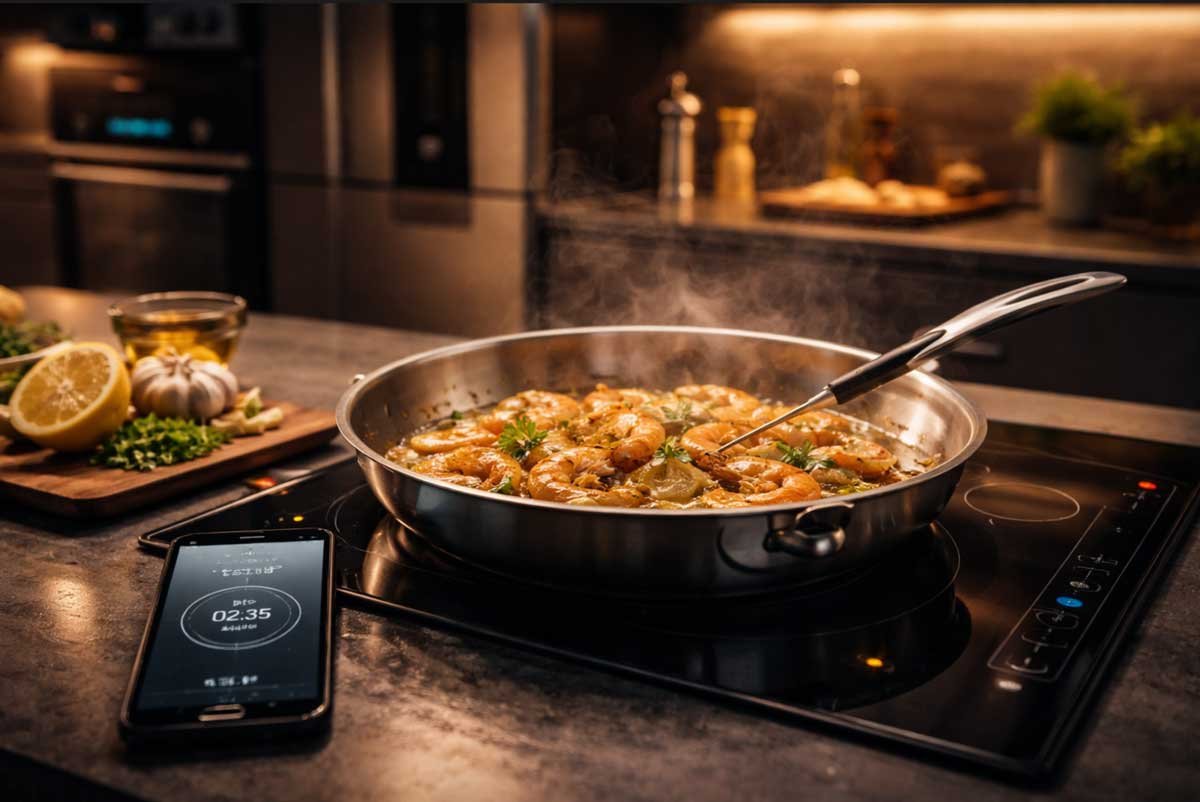
Some cooking platforms also recommend the best ways to cook shrimp without overcooking, helping users understand how timing, temperature, and cooking method work together to preserve texture and flavor.
Induction Cooktops and Heat Control
Another innovation improving seafood cooking is the rise of induction cooktops. Unlike traditional gas or electric stoves, induction technology heats cookware directly using electromagnetic energy. This allows the cooking surface to respond instantly to temperature adjustments.
Precise heat control is especially helpful when sautéing shrimp or preparing delicate seafood dishes. Even heating ensures that ingredients cook evenly and reduces the risk of burning or overcooking certain sections of the dish.
Many modern induction cooktops include built-in sensors and preset temperature settings designed for specific cooking tasks. These features help simplify the process for beginners who may still be learning how to control heat levels effectively.
In addition, induction cooking is generally more energy efficient and safer than traditional stovetops, making it a popular choice for modern kitchens that emphasize both convenience and sustainability.
AI-Powered Recipe Platforms
Artificial intelligence is also influencing how people approach cooking. AI-powered cooking platforms analyze thousands of recipes and cooking outcomes to provide personalized guidance for users.
Instead of simply presenting a static recipe, these systems can adapt instructions based on the user’s experience level, available equipment, and ingredient substitutions. If a cook does not have a specific pan or appliance, the platform may recommend an alternative cooking method.
For seafood dishes, AI cooking assistants often emphasize timing and preparation order. They guide users through each step, from seasoning ingredients to adjusting heat levels. Over time, these systems can even learn user preferences and recommend new recipes based on previous cooking behavior.
This level of personalization helps make complex dishes more accessible to everyday home cooks.
Visual Learning and Interactive Cooking
Another major technological influence in modern cooking is the rise of visual learning platforms. High-quality cooking videos and interactive tutorials allow people to observe techniques that were previously difficult to explain through text alone.
For example, watching shrimp change color during cooking helps beginners recognize when they are approaching the perfect level of doneness. Visual cues such as the curling shape of shrimp or the appearance of the surface can signal when to remove them from heat.
Interactive cooking apps combine these videos with timers, ingredient lists, and step-by-step checklists. This format transforms recipes into guided experiences rather than simple instructions, making cooking feel more approachable for beginners.
Smart Appliances and Connected Kitchens
Connected kitchen appliances are another example of technology reshaping the cooking experience. Smart ovens, programmable air fryers, and app-controlled stovetops allow users to manage cooking processes remotely.
For seafood dishes, this level of automation is particularly valuable. These appliances maintain consistent temperatures and notify the cook when food is ready, reducing the need for constant monitoring.
Some appliances also store cooking data and allow users to repeat successful recipes using the same settings. This feature helps ensure consistency when preparing seafood dishes that require precise timing.
As more households adopt connected appliances, kitchens are gradually becoming integrated systems where multiple devices work together to simplify the cooking process.

Shaker Hammam
The TechePeak editorial team shares the latest tech news, reviews, comparisons, and online deals, along with business, entertainment, and finance news. We help readers stay updated with easy to understand content and timely information. Contact us: Techepeak@wesanti.com
More PostsMost Viewed