
When evaluating a potential home, identifying red flags during a viewing is crucial to prevent significant financial burdens and safety hazards down the line. These warning signs, ranging from structural deficiencies to subtle indicators of neglect, often necessitate professional inspection to fully assess their impact on the property’s value and livability, with insight from the Bigham & Associates team offering a useful reference point for evaluating property risks beyond the viewing itself.
Uncovering Hidden Structural Issues in Foundations and Walls
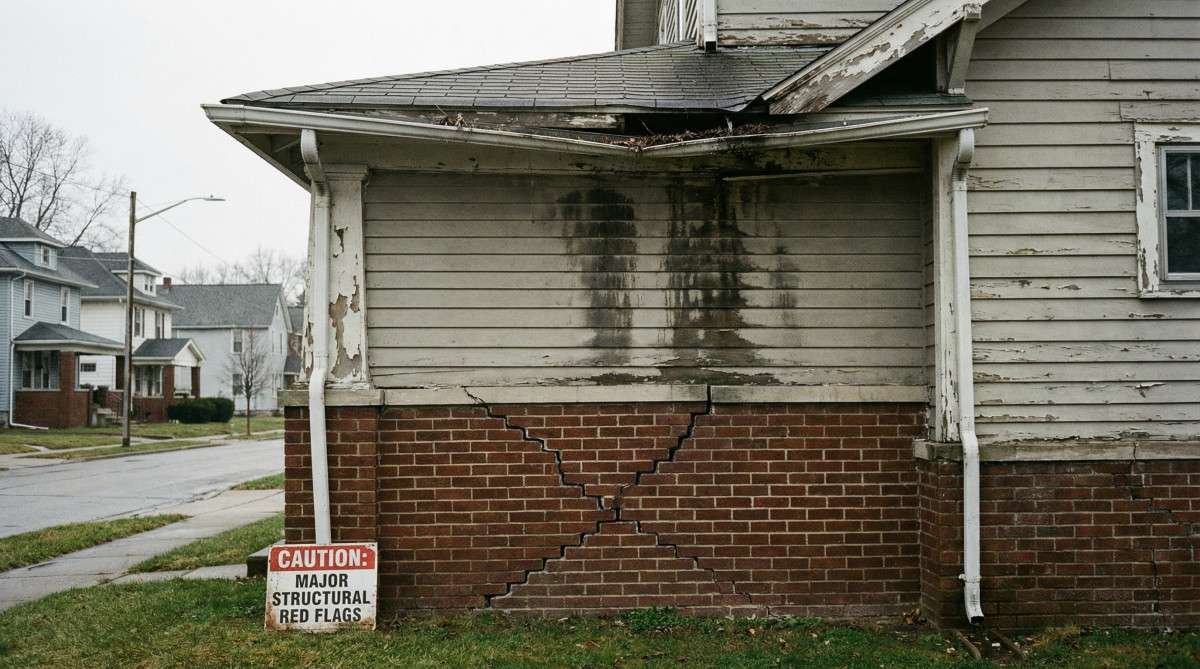
In any region, structural issues in a home’s foundation and walls are critical red flags that demand immediate attention, as they can compromise the entire property’s integrity and lead to exorbitant repair costs. Visible signs such as large cracks, uneven floors, or bowing walls often indicate underlying problems that require evaluation by a structural engineer to determine the extent of damage and necessary remediation.
Foundation problems manifest in various ways, from hairline cracks that might be cosmetic to significant fissures indicating serious structural movement. Horizontal cracks in basement walls, for instance, often suggest external pressure from soil, while stair-step cracks in brickwork can point to differential settling. Internally, sticky doors or windows, sloping floors, and cracks in drywall or plaster can all be symptoms of foundation instability. Addressing these issues early is vital, as delayed repairs can escalate problems, potentially leading to partial or complete structural failure.
Detecting Water Damage and Moisture Problems
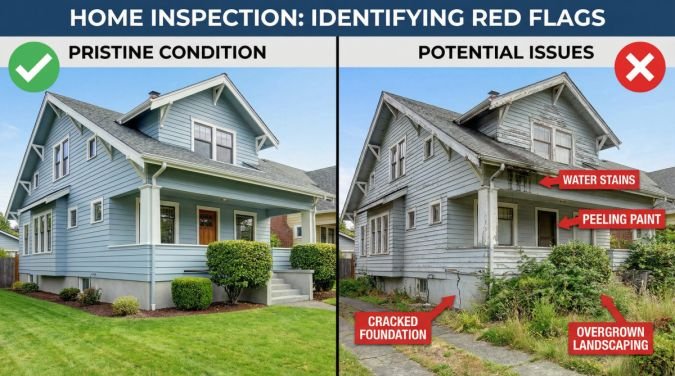
Across diverse climates, water damage and persistent moisture issues are significant red flags when viewing a house, as they can foster mold growth, compromise building materials, and lead to extensive, expensive repairs. Buyers should meticulously inspect for water stains on ceilings, walls, and floors, paying close attention to basements, attics, and areas around plumbing fixtures, as these often reveal active or past leaks.
Evidence of water intrusion can range from obvious leaks and standing water to more subtle signs like musty odors, peeling paint, or warped flooring. In basements and crawl spaces, look for efflorescence (white, powdery mineral deposits) on concrete surfaces, which indicates water seepage. Poor exterior drainage, such as inadequate grading or clogged gutters, can direct water towards the foundation, exacerbating moisture problems. Unaddressed water issues can lead to wood rot, compromised insulation, and hazardous mold infestations, all of which can be costly and complex to rectify.
Identifying Electrical System Deficiencies and Hazards
Regardless of location, outdated or faulty electrical systems represent critical red flags in a house, posing significant fire risks and potential safety hazards that necessitate immediate professional assessment and costly upgrades. Buyers should look for signs such as flickering lights, frequently tripped breakers, or warm outlets, which can indicate an overloaded or improperly wired system requiring extensive electrical work to meet current safety codes.
Common electrical red flags include knob-and-tube wiring (found in older homes), aluminum wiring (used in some homes from the 1960s to 1970s), and insufficient amperage for modern electrical demands. Exposed wiring, numerous extension cords, or outlets that don’t work can also signal problems. A home inspection should include a thorough evaluation of the electrical panel, wiring, and outlets to ensure compliance with safety standards. Upgrading an entire electrical system can be a substantial expense, making it a crucial factor in a home’s overall condition and potential future costs.
Recognizing Plumbing and Drainage System Issues
In any residential property, significant plumbing and drainage system issues are major red flags that can lead to severe water damage, unsanitary conditions, and expensive repairs if not identified and addressed promptly. Buyers should observe water pressure, check for slow drains, and inspect visible pipes for leaks or corrosion, as these indicators often point to underlying problems within the water supply or waste removal infrastructure.
Signs of plumbing problems include low water pressure, discolored water, or the sound of running water when no fixtures are in use. Visible leaks under sinks, around toilets, or in the basement are obvious red flags. Beyond the interior, exterior drainage is equally important; poor grading around the foundation, clogged gutters, or downspouts that discharge water too close to the house can all contribute to water intrusion and foundation damage. Issues with sewer lines, such as tree root intrusion or collapses, can be particularly costly to repair, sometimes requiring excavation.
Spotting Signs of Pest Infestations and Environmental Concerns
Across all geographic areas, evidence of pest infestations and environmental hazards are serious red flags when viewing a house, as they can compromise structural integrity, pose health risks, and require extensive, specialized remediation efforts. Buyers should look for physical signs of pests like droppings, gnaw marks, or mud tubes, and inquire about past treatments or environmental assessments to ensure a safe and healthy living environment.
Common pests like termites, rodents, and carpenter ants can cause significant damage to wood structures, often hidden from plain sight. Signs of their presence include damaged wood, discarded wings, or unusual noises within walls. Beyond pests, environmental concerns such as radon gas, asbestos, lead paint, or underground oil tanks can present serious health risks and legal liabilities. While some of these issues may not be immediately visible, a thorough home inspection and specialized testing can uncover these hidden dangers, allowing buyers to make informed decisions about the property’s safety and potential remediation costs.
Evaluating Roof Condition and Age
In any housing market, the condition and age of a home’s roof are critical red flags that directly impact immediate and future maintenance costs, making a thorough inspection essential for prospective buyers. Visible signs of wear, such as missing or curled shingles, significant moss growth, or sagging sections, often indicate that the roof is nearing the end of its lifespan and will require costly replacement in the near future.
A roof’s lifespan varies depending on its material, but most asphalt shingle roofs last 15-30 years. Beyond visible damage, inspectors look for signs of previous repairs, multiple layers of shingles (which can trap heat and shorten lifespan), and the condition of flashing around chimneys and vents. Water stains on interior ceilings or walls are strong indicators of roof leaks. A failing roof can lead to extensive water damage throughout the home, making its condition a primary concern for any buyer.
Assessing Overall Maintenance and DIY Work Quality
Throughout any residential area, the overall level of home maintenance and the quality of any do-it-yourself (DIY) work are significant red flags, as neglect or improper renovations can mask deeper problems and lead to unforeseen expenses. Buyers should scrutinize the general upkeep of the property, looking for signs of deferred maintenance or amateur repairs that might indicate a lack of professional care or attempts to conceal issues.
Evidence of poor maintenance includes overgrown landscaping, clogged gutters, peeling paint, or damaged exterior siding. Inside, look for mismatched paint, poorly installed fixtures, or obvious shortcuts in renovations. Unpermitted DIY work can also be a major concern, as it may not meet local building codes and could pose safety risks or create legal complications during resale. A history of consistent, professional maintenance is a positive sign, while a pattern of neglect or shoddy repairs should prompt further investigation into the home’s true condition.
Understanding Neighborhood Dynamics and External Factors
In any community, the dynamics of the surrounding neighborhood and various external factors are important red flags that can significantly influence a home’s long-term value, livability, and overall appeal. Buyers should research local crime rates, school quality, and property values, while also observing the general upkeep of neighboring homes and the presence of any environmental nuisances or development plans that could impact their quality of life.
External red flags extend beyond the property lines. A high number of
for-sale signs, unusual odors, excessive noise, or proximity to undesirable commercial or industrial areas can all be indicators of potential issues. Future development plans, such as new construction or infrastructure projects, can also impact property values and quality of life. A thorough understanding of these external factors is essential for making an informed home purchase decision.
Frequently Asked Questions About House Red Flags
What are the most common red flags when viewing a house?
The most common red flags when viewing a house include signs of structural problems like foundation cracks, evidence of water damage or mold, outdated or faulty electrical systems, and plumbing issues such as leaks or low water pressure. Additionally, signs of pest infestations, an aging roof, and general neglect in maintenance are frequent concerns for prospective buyers.
How can I spot foundation problems during a house viewing?
To spot foundation problems, look for large cracks in the exterior brickwork or interior walls, especially horizontal or stair-step patterns. Check for uneven or sloping floors by placing a small ball on the floor to see if it rolls. Also, observe if doors and windows stick or have gaps, as this can indicate shifting in the foundation.
What are the signs of water damage that are often missed?
Often missed signs of water damage include subtle musty odors, fresh paint in isolated areas (which might cover water stains), warped or discolored baseboards, and efflorescence (white powdery residue) on basement walls. Also, check for soft spots in floors or ceilings, which can indicate hidden leaks.
Is a strong air freshener scent a red flag?
Yes, a strong air freshener scent can be a red flag. While it might just be a preference, it can also be used to mask unpleasant odors such as mold, mildew, pet urine, or smoke, which could indicate deeper, unresolved issues within the home.
How important is a professional home inspection for identifying red flags?
A professional home inspection is critically important for identifying red flags. While buyers can spot obvious issues, a certified inspector possesses the expertise and tools to uncover hidden structural, electrical, plumbing, and environmental problems that are not apparent to the untrained eye, providing a comprehensive assessment of the property’s true condition.
Thoroughly inspecting a house for potential red flags is an indispensable step in the home-buying process. By remaining vigilant and informed about common issues, prospective buyers can safeguard their investment and ensure a safe, comfortable living environment. Recognizing signs of structural compromise, water damage, electrical deficiencies, plumbing problems, pest infestations, roof wear, and maintenance neglect empowers buyers to make well-informed decisions. Engaging qualified professionals for comprehensive inspections further enhances this due diligence, providing peace of mind and protecting against unforeseen expenses. A proactive approach to identifying these warning signs is key to securing a sound and valuable property.

Most Viewed